Nearly a week passed before the girl was able to explain what had happened to her. 一般过去+过去完成 §
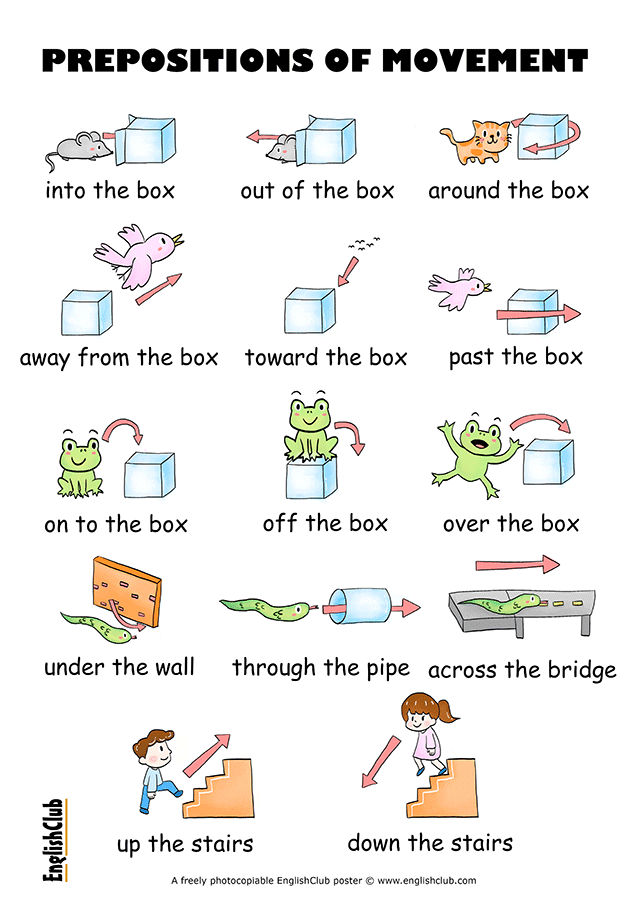
| pass v. 经过,穿过;传递,传送 | past(需配合动词) prep.经过,在…之后;在…的更远处 |
|---|---|
|
|
| cross v.穿越,横渡 I crossed the street to avoid meeting him... | across prep.穿过 It's running across the grass. |
pass 和 past 的区别主要是词义上的区别,pass 是动词,past 为介词,所以需要配合动词一起使用,当一句话中有动词使用past,无动词时使用pass(其过去式、过去分词为 passed)当作及物动词用时,可表示“经过,通过(考试),超过”等,作不及物动词用时可表示“(时间等)消逝”。
| …passed before… 过了...时间 | sometime later… 一段时间以后 |
|---|---|
|
|
过去完成时通常会与一般过去时的搭配使用,表达过去的过去,即过去完成会比过去时先发生。
时间线:过去完成 → 过去 → 过去将来 / 现在完成 → 现在 → 将来完成 → 将来
| be able to 强调有能力, 且能够成功(还强调成功) | can 只表示能力 |
|---|---|
| I was able to swim across the river. | I can swim across the river. 我能游过这条河(但没有游过,不知道能不能成功) |
One afternoon she set out from the coast in a small boat and was caught in a storm.
| set out = set off = begin a journey 出发 | set out from… 从…出发 |
|---|---|
|
|
| be caught in + 灾难 (突然)遇到/上(风暴等) | meet 遇到、遇见(某人) |
|---|---|
|
|
Towards evening, the boat struck a rock and the girl jumped into the sea.
| towards evening 天越来越晚(逐渐接近) | towards + n. 朝...去 |
|---|---|
|
|
Then she swam to the shore after spending the whole night in the water.
| to 强调朝那个方向去(静态) | towards 朝那个方向去,强调距离越来越近(动态) |
|---|---|
| She went to the window and looked out. 她走到窗前向外望去。 | She moved towards the window.她朝窗户走去。 |
During that time she covered a distance of eight miles.
cover 可笼统地表示“行过(一段路程)”
a distance of + 距离
- the red army covered a distance of 25000… 两万五千里长征
Early next morning, she saw a light ahead.
next 表示时间顺序上“紧接的,下一个”,如果以现在为基准,则 next 前一般不加 the;如果以过去或将来的某一时间为基准,则 next 前面要加 the 或其他修饰词。
| next day 第二天(有可能是过去式, 有可能是将来式) | the other day(过去时) = a few days ago (几天前) |
|---|---|
| Mary phoned the next day to tell us that she couldn’t come to the party.第二天玛丽打来电话告诉我们她不能参加晚会了。 | Mary phoned the other day to tell us that she had arrived in London.前几天玛丽来电话告诉我们她已到达伦敦。 |
On arriving at the shore, the girl struggled up the cliff towards the light she had seen.
“…up the cliff towards the light…”用两个介词起到动词的作用,up 在此处为介词,表示“沿着…往上”
| on + 动名词(on + doing 一...就...) | as soon as = the moment | when/while/as |
|---|---|---|
|
On reaching the airport, he was arrested by the police. |
As soon as he had got into the car. | While we were having breakfast,our little boy, Tommy, found two small coins on the floor. |
That was all she remembered.
- That was all I wanted to say. 那就是我想说的全部
- That was all I can do for you. =I can do nothing else for you.
When she woke up a day later, she found herself in hospital.
主+谓+宾+宾补
- find the books tidy 发现书摆放得整齐
- I found the books in order.
- When I woke up, I found myself in bed.