trained
/treɪnd/adjective [原级] 培训;训练过的,受过培训的
I trained as a ballet dancer. 我受过做芭蕾舞演员的训练。
verb [vt. 及物动词] 训练(train 的过去分词)
Peter is a classically trained pianist. 彼得是个受过传统技能训练的钢琴家。
与 “trained” 相关联的词汇
society
/səˈsaɪəti/noun [专属名词] 社会(以群体形式生活在一起的人的总称);社群(某国家、地区、时期等的群体组织);社团,协会;上层社会;交往,相伴;阶层,界;植物的群落,动物的群体
This reflects attitudes and values prevailing in society. 这反映出社会上普遍流行的态度和价值观。

与 “society” 相关联的词汇
noun [抽象名词] 预防,防止
Crime prevention had to be given more prominence. 犯罪预防得给予更多重视。

与 “prevention” 相关联的词汇
cruelty
/ˈkruːəlti/noun [抽象名词] 残酷,残忍;不公,虐待
Cruelty was quite alien to him. 他绝无残忍之心。

与 “cruelty” 相关联的词汇
animal
/ˈænɪm(ə)l/noun [集合/集体] 动物;兽类;<非正式>衣冠禽兽,畜牲;某一类人或物
Any living creature other than a human being can be referred to as an animal. 兽类; 动物 (不包括人类)
adjective [原级] 动物的;肉体的,肉欲的;取自动物的;(胚胎)动物极的
Animal products come from animals rather than from plants. 动物的 • ...food high in animal fats such as red meat and dairy products. …富含动物脂肪的食物,如红色肉类和奶制品。
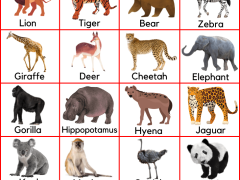
与 “animal” 相关联的词汇
branch
🇬🇧/brɑːntʃ/ 🇺🇸/bræntʃ/noun [专属名词] 树枝,分枝;分支机构,分店;(政府或机构的)部门;分科,分支;(家族的)支系;支流,岔路
The local branch of Bank of America is handling the accounts. 美国银行的本地分行正在处理这些账目。
verb [vt. 及物动词] 分岔,岔开;出枝,发出新枝
Deposits can be made at any branch. 在任何一家分行都可以存钱。
noun [专属名词] 【名】 (Branch)布兰奇(人名)
A branch whipped across the car window. 一条树枝突然划过车窗。
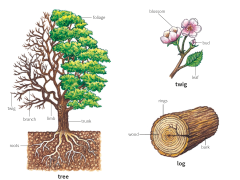
与 “branch” 相关联的词汇
solve
🇬🇧/sɒlv/ 🇺🇸/sɑːlv/verb [vt. 及物动词] 解决,处理;解释,解答
Their domestic reforms did nothing to solve the problem of unemployment. 他们的国内改革丝毫未能解决失业问题。

与 “solve” 相关联的词汇
shelter
🇬🇧/ˈʃeltə(r)/ 🇺🇸/ˈʃeltər/noun [集合/集体] 居所,住处;(尤指用以躲避风雨或攻击的)遮蔽物,庇护处;遮蔽,庇护;(人或动物)收容所
If a place provides shelter, it provides you with a place to stay or live, especially when you need protection from bad weather or danger. 遮蔽; 庇护
verb [vt. 及物动词] 提供庇护,提供保护;躲避,避难;使(某人)免遭(困难,讨厌的事);使免交税
If you shelter in a place, you stay there and are protected from bad weather or danger. 躲避 ...a man sheltering in a doorway. …躲避在门廊里的一名男子。

与 “shelter” 相关联的词汇
adopt
🇬🇧/əˈdɒpt/ 🇺🇸/əˈdɑːpt/verb [vt. 及物动词] 收养;采取,采纳,接受;正式通过;选定(名字),承袭(风俗);移居,定居;提名(某人)为候选人;保持(姿势);<英>(地方当局)承担(道路)维修保养责任
The United Nations General Assembly has adopted a resolution calling on all parties in the conflict to seek a political settlement. 联合国大会已采纳了一项呼吁所有冲突各方寻求政治解决的决议。

与 “adopt” 相关联的词汇
resist
/rɪˈzɪst/verb [vt. 及物动词] 阻挡,抵制;抵抗,回击;耐得住,抵挡;使不受…的伤害,抗(伤害)
They resisted our attempts to modernize the distribution of books. 他们抵制我们将书籍发行现代化的努力。
noun [具体名词] 保护涂层(防染色、着釉等),防染材料
They were too spiritless even to resist. 他们无精打采的,甚至都没抵抗。

与 “resist” 相关联的词汇
verb [vi. 不及物动词] 保持,处于;继续,重复;耽搁,延误;保有,留下;存放,储存;经营,管理;保鲜;保守(秘密);遵守;记录,记载;关押,拘留(尤在监狱或医院里);饲养,供养;把守球门;(为性爱)包养(某人,尤指女性);(按规定)纪念,庆祝;尊重(法律或习俗)
People had to burn these trees to keep warm during harsh winters. 在寒冷的冬天,人们得靠烧这些树保暖。
noun [具体名词] 生活必需品,生活费用;城堡主楼
Ray will earn his keep on local farms while studying. 学习期间,雷将在当地农场挣取生活费。
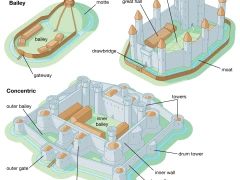
与 “keep” 相关联的词汇
semester
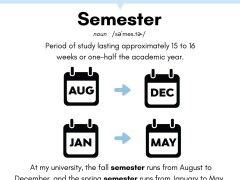
🇬🇧/sɪˈmestə(r)/ 🇺🇸/sɪˈmestər/noun [专属名词] 学期,半学年
Do you think you'll pledge this semester? 这学期你想加入大学生联谊会吗?
与 “semester” 相关联的词汇
affection
🇬🇧/əˈfekʃn/ 🇺🇸/əˈfekʃ(ə)n/noun [抽象名词] 喜爱,关爱;爱恋,爱慕之情;精神状况,感情;疾患,病;影响
Your affections are your feelings of love or fondness for someone. 感情 • Caroline is the object of his affections. 卡罗琳是他感情的归属。

与 “affection” 相关联的词汇
poochie
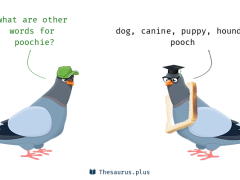
/ˈpuːtʃi/noun [专属名词] 对狗的昵称, pooch 的小称
An attack dog. Come here, poochie. 哦,想袭击我过来,小狗狗。
与 “poochie” 相关联的词汇
attagirl
🇬🇧/ˈætəɡɜːl/ 🇺🇸/ˈætəɡɜːrl/interjection [高兴] int. 真好,真棒(用于表示对女人或女孩的鼓励,同意)
Casey: Attagirl. Show her who's boss. 凯西:好棒。告诉她谁是老板。

与 “attagirl” 相关联的词汇
collar
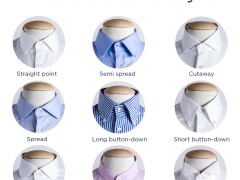
🇬🇧/ˈkɒlə(r)/ 🇺🇸/ˈkɑːlər/noun [具体名词] 衣领,领口;颈圈;(动物颈部颜色异样的)色圈,颈锁形条纹;箍,套管;(股票交易的)项圈策略;<英>肉卷;猪颈部的熏肉块;(植物的)根颈
A collar is a band of leather or plastic which is put around the neck of a dog or cat. (狗或猫的) 项圈
verb [vt. 及物动词] <非正式>抓住,逮捕;<非正式>拦住(以便与之谈话)
She'd got him by the collar. 她抓住了他的衣领。
与 “collar” 相关联的词汇
tag
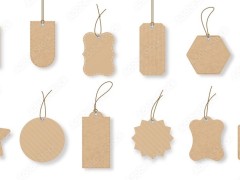
/tæɡ/noun [专属名词] 标签;称呼,诨名;(电子)追踪器;(在墙壁、汽车等上面)违法涂写的名字;(计算机)标识符;(儿童玩的)捉人游戏; 附加疑问句;(主体上的)一小部分;多余的部分,剩余物;(棒球)触杀
An electronic tag is a device that is firmly attached to someone or something and sets off an alarm if that person or thing moves away or is removed. (电子) 跟踪器
verb [vt. 及物动词] 给…贴标签,在…上做记号;把…称作,把…描述为;涂鸦; 给(计算机程序或文件)加标记;(在捉人游戏中)用手碰触而抓获;(尤指棒球运动中)触杀;(跑垒员)用脚触垒;<英,非正式> 尾随
If you tag something, you attach something to it or mark it so that it can be identified later. 给…贴标签
与 “tag” 相关联的词汇
hard
🇬🇧/hɑːd/ 🇺🇸/hɑːrd/adjective [原级] 硬的,坚固的;困难的;猛烈的,用力的;困苦的,艰苦的;努力的;冷酷的,心肠硬的;严厉的,苛刻的;(政党内部派别)极端的,固执己见的;(季节,天气)严酷的,凛冽的;(水)硬的;坚强的,勇敢的;刺目的,令人不快的;确凿的,可靠的;(学科)实证的;硬(科幻)的;酒精含量高的,烈性的;(尤指葡萄酒因含有单宁酸而)苦涩的;(毒品)毒性强的,易上瘾的;(辐射)穿透力强的
Something that is hard is very difficult to do or deal with. 困难的
adverb [方式副词] 努力地,费力地;用力地,猛烈地;仔细地,认真地;沉重地,大量地;变硬;在最大程度上
If you work hard doing something, you are very active or work intensely, with a lot of effort. 努力地

与 “hard” 相关联的词汇
claim
/kleɪm/verb [vt. 及物动词] 声称,断言;索取,索要(钱);要求(拥有),认领;使丧生,致命;赢得,获得;值得,需要(花时间或精力)
He claimed that it was all a conspiracy against him. 他声称这完全是一个针对他的阴谋。
noun [抽象名词] 声称,断言;索要,索赔;权利,所有权;要求得到的土地使用权;专利新特征申明
Last time we made a claim on our insurance, they paid up really quickly. 上次我们依据保险提出索赔时,他们赔付得很快。

与 “claim” 相关联的词汇
apply
/əˈplaɪ/verb [vt. 及物动词] 申请;涂,敷;施加,实施;应用,运用;踩(刹车);适用,适合;指称
They may apply to join the organization. 他们可能申请加入该组织。
与 “apply” 相关联的词汇
noun [具体名词] 饲养;吃;输送
There are many advantages to breast feeding. 母乳喂养的好处很多。
adjective [原级] 供给饲料的;摄取食物的
They spend hours feeding on the ocean floor. 它们花几个小时在海底进食。
verb [vt. 及物动词] 饲养(feed 的ing形式)
New fathers love bottle-feeding their babies. 新爸爸们喜欢用奶瓶喂他们的婴儿。