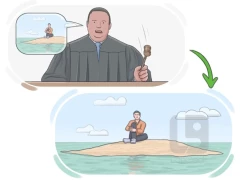
gifted [ˈɡiftid] adj. 有天才的
【扩】talented 有才能的,有天赋的
* * *
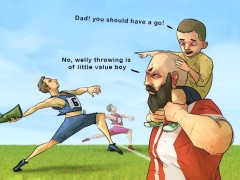
A: These young players are indeed very gifted.
B: Yes, some of them will be champions in the future, I'm sure.
A:这些年轻运动员真的很有天赋。
B:是啊,我敢说他们中的一些人将来肯定能成为冠军。
* * *
psychologist [səiˈkɔlədʒist] n. 心理学家
spasm [ˈspæzəm] n. 一阵(感情)发作
futile [ˈfjuːtail] adj. 无用的
【派】futility 无用,无益
【扩】vain 无用的,徒劳的
* * *
A: Don't waste your time thinking about such futile things.
B: Right. Maybe I should change a new job.
A:请勿浪费时间想这种没用的事情。
B:对,我也许应该换一个工作。
* * *
insinuate [inˈsinjueit] v. 使潜入,暗示
【扩】hint 暗示 drop a hint 暗示
* * *
A: He insinuated his doubt of this action.
B: But all the other people supported it.
A:他暗示对这个行动持怀疑态度。
B:但是其他人都很支持这个行动。
* * *
convulsive [kənˈvʌlsiv] adj. 起痉挛的
illuminate [iˈluːmineit] v. 照明
undue [ʌnˈdjuː] adj. 不适当的
* * *
A: I think it's undue to behave like this at the moment.
B: Then what do you suggest to do?
A:我认为此刻这么做是不合适的。
B:那你建议怎么做呢?
* * *
grip [ɡrip] n. 紧张
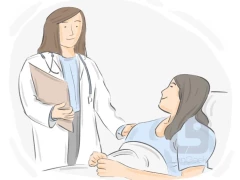
recuperation [riˌkuːpəˈreiʃən] n. 休息
【扩】rest 休息 repose 休息,睡眠
* * *
A: I'm so tired. I need recuperation.
B: You can ask half a day's leave this afternoon.
A:我太累了,我需要休息。
B:你可以下午请半天假。
* * *
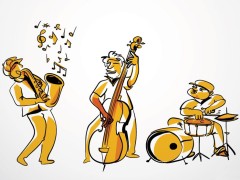
improvise [ˈimprəvaiz] v. 临时作成
sedulously [ˈsedjuləsli] adv. 孜孜不倦地
* * *
A: He has been researching sedulously in the past few years.
B: So he succeeded at last.
A:过去这些年他一直孜孜不倦地研究。
B:所以最后他成功了。
* * *
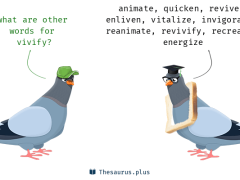
vivify [ˈvivəfai] v. 使生气勃勃
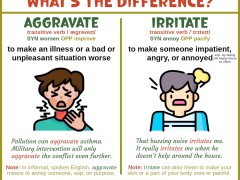
aggravate [ˈæɡrəveit] v. 加剧
【扩】intensify 加剧
【搭】be aggravated at sth. 因某事而发怒
* * *
A: The bad mood aggravated his illness.
B: You should not tell him the news.
A:坏心情加重了他的病情。
B:你不应该把那个消息告诉他。
* * *
trifle [ˈtraifəl] n. 琐事
【派】trifling 无关紧要的
【搭】trifle with 玩弄
* * *
A: Mr. Qin, the air conditioner is out of order.
B: Don't bother me with such trifles.
A:秦先生,空调坏了。
B:别拿小事烦我。
* * *
gratify [ˈɡrætifai] v. 使满意
【派】gratification 满意
【扩】satisfy 使满意
【搭】be gratified with 对……感到满意
* * *
A: Your behaviour gratifies me very much.
B: I'm glad to hear you say so.
A:你的表现使我非常满意。
B:我很高兴听到您这么说。
* * *
caprice [kəˈpriːs] n. 任性
* * *
A: Don't act on caprice.
B: OK. I'll study my problem.
A:不要任性行事。
B:知道,我会研究一下自己的问题的。
* * *
satiation [ˌseiʃiˈeiʃən] n. 满足
frantic [ˈfræntik] adj. 狂乱的
【派】frantically 疯狂地,狂暴地
【搭】drive sb. frantic 使某人发狂
* * *
A: He beat a frantic tattoo with his hands on the door.
B: What made him so worried?
A:他用手疯狂地连续敲门。
B:什么事情让他这么着急?
* * *
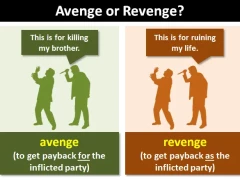
avenge [əˈvendʒ] v. 替……报复
【派】avenger 复仇者
【搭】avenge oneself upon 向……进行报仇
* * *
A: The lion was avenged on his enemy.
B: He is the real king now.
A:这头狮子向敌人报了仇。
B:现在它是真正的大王了。
* * *
boredom [ˈbɔːdəm] n. 厌烦
clatter [ˈklætə] n. 喧闹的谈话
sustenance [ˈsʌstənəns] n. 支撑物
appetite [ˈæpitait] n. 欲望
* * *
A: I have no appetite for the victory at all.
B: You should cheer up.
A:我一点获胜的欲望也没有。
B:你应该振作起来。
* * *
grudge [ɡrʌdʒ] v. 怨恨
【搭】bear sb. a grudge 对某人怀恨在心
* * *
A: He still harbors a grudge against me.
B: What did you do to him?
A:他对我仍怀有怨恨。
B:你对他做了什么?
* * *
absorb [əbˈsɔːb] v. 吸收
【例】Plants can absorb the energy from the sun.
植物能吸收太阳的能量。
banish [ˈbæniʃ] v. 排除,放弃
【派】banishment 放逐
【扩】renounce 放弃,抛弃
* * *
A: Banish all the troubles from your mind.
B: I don't know how I can do it.
A:忘却你心中所有烦恼吧。
B:我不知道怎么才能做得到。
adjective [原级] 有天赋的,有才华的;聪慧的,有特长的
She was an accomplished pianist, a superb swimmer, and a gifted artist. 她曾是一位很有造诣的钢琴家、一流的游泳健将和天才艺术家。
verb [vt. 及物动词] 赠送;(无意中)让(对手)获得(gift 的过去式和过去分词形式)
He was a natural politician, a gifted orator who knew how to work a crowd. 他曾是位天生的政治家,是位有天赋且知道如何凝集民众的演说家。
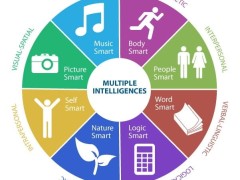
与 “gifted” 相关联的词汇
psychologist
🇬🇧/saɪˈkɒlədʒɪst/ 🇺🇸/saɪˈkɑːlədʒɪst/noun [专属名词] 心理学家
He passed himself off as a senior psychologist. 他自己冒充是一名资深心理学家。
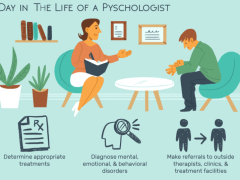
与 “psychologist” 相关联的词汇
noun [专属名词] 痉挛;抽搐;发作
The injection sent his leg into spasm. 一针打下去,他的腿就痉挛了。
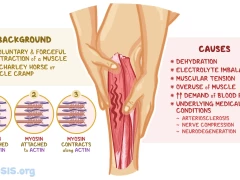
与 “spasm” 相关联的词汇
futile
🇬🇧/ˈfjuːtaɪl/ 🇺🇸/ˈfjuːt(ə)l/adjective [原级] 徒劳的,无用的;不重要的;没有出息的
He brought his arm up in a futile attempt to ward off the blow. 他出于挡住这一击的无谓企图抬起了他的胳膊。
与 “futile” 相关联的词汇
insinuate
/ɪnˈsɪnjueɪt/verb [vt. 及物动词] vt. 暗示;使逐渐而巧妙地取得;使迂回地潜入
The libel claim followed an article that insinuated the president was lying. 一篇文章因暗示总统撒谎受到了诽谤索赔。
verb [vi. 不及物动词] vi. 暗讽;说含沙射影的话
He insinuate his doubt of her ability. 他暗示了他对她能力的怀疑。

与 “insinuate” 相关联的词汇
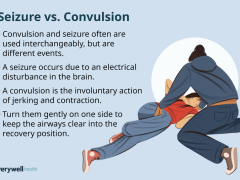
adjective [原级] 抽搐的;惊厥的;震动的;起痉挛的
Convulsive sobs racked her body. 她的抽泣晃动着整个身子。
与 “convulsive” 相关联的词汇
noun [抽象名词] 光亮,照明;启迪,阐明;<英>彩灯,灯饰;(旧时书上通常用手工绘制的)彩饰,彩图
The only illumination came from a small window high in the opposite wall. 惟一的照明来自对面墙上位于高处的一扇小窗户。

与 “illumination” 相关联的词汇
undue
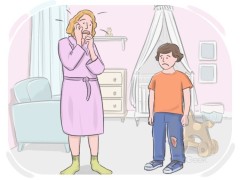
🇬🇧/ˌʌnˈdjuː/ 🇺🇸/ˌʌnˈduː/adjective [原级] 不适当的,过分的;未到期的
This would help the families to survive the drought without undue suffering. 这将有助于这些家庭免受过多痛苦而度过这次旱灾。
与 “undue” 相关联的词汇
grip
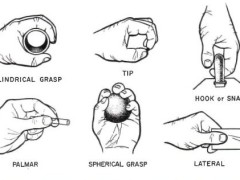
/ɡrɪp/noun [具体名词] 紧握;掌握,控制;理解;不打滑,走得稳;手柄;紧握(或抓牢)的方式;(拍摄电影时)摄影机和照明设备管理人员;<英>发夹;旅行袋
His strong hand eased the bag from her grip. 他强有力的手使她把紧握的包松开。
verb [vt. 及物动词] 握紧,夹住;(尤指通过摩擦力)牢牢地附着,紧贴;使感兴趣,吸引住(某人)的注意;对……产生强有力的影响
She gripped the rope. 她紧紧抓住绳子。
noun [专属名词] 【名】 (Grip)(英、瑞典)格里普(人名)
She tightened her grip on his arm. 她抓他的手臂抓得更紧了。
与 “grip” 相关联的词汇
noun [抽象名词] 恢复;复原
Leonard was very pleased with his powers of recuperation. 伦纳德对他的康复能力很满意。
与 “recuperation” 相关联的词汇
improvise
/ˈɪmprəvaɪz/verb [vt. 及物动词] 即兴表演,即兴创作;临时做,临时凑成
When performers improvise, they invent music or words as they play, sing, or speak. 即兴演奏; 即席演说 The vet had improvised a harness. 兽医临时凑成了一套马具。
与 “improvise” 相关联的词汇
sedulously
/ˈsedʒələsli/adverb [方式副词] 孜孜不倦地;勤勉地
He has been researching sedulously in the past few years. 过去这些年他一直孜孜不倦地研究。

与 “sedulously” 相关联的词汇
verb [vt. 及物动词] vt. 使生动;使活跃;给与生气
China should actively meet the challenge of globalization and vivify the traditional Oriental culture. 面对全球化的挑战,中国文化应当积极应对,让古老的东方文明重现生机。
与 “vivify” 相关联的词汇
verb [vt. 及物动词] 使加重,使恶化;惹怒,激怒
If the reports are well-founded, the incident could seriously aggravate relations between the two nations. 如果这些报道是有根据的,那么该事件将可能导致两国间的关系严重恶化。
与 “aggravate” 相关联的词汇
adjective [原级] 微不足道的;轻浮的
Outside California these difficulties may seem fairly trifling. 在加利福尼亚以外的其他地方,这些困难可能看起来相当得微不足道。
verb [vt. 及物动词] 浪费,闲聊(trifle 的现在分词)
Outside California these difficulties may seem fairly trifling. 在加利福尼亚以外的其他地方,这些困难可能看起来相当得微不足道。
与 “trifling” 相关联的词汇
gratify
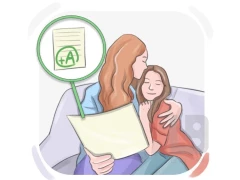
/ˈɡrætɪfaɪ/verb [vt. 及物动词] vt. 使高兴,使满意;满足(愿望、需要等)
He only gave his consent in order to gratify her wishes. 他只是为满足她的愿望才同意的。
与 “gratify” 相关联的词汇
caprice
/kəˈpriːs/noun [抽象名词] 任性,反复无常;随想曲,怪想
I lived in terror of her sudden caprices and moods. 她任性易变喜怒无常,让我整天提心吊胆。

与 “caprice” 相关联的词汇
satiation
/ˌseɪʃiˈeɪʃn/noun [抽象名词] 饱满;饱食;满足;厌腻
The non-satiation of utility does not stand any longer. 效用的不满足性不再维持。
与 “satiation” 相关联的词汇
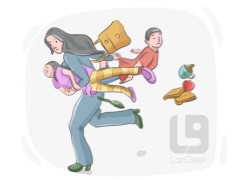
adverb [方式副词] 紧张忙乱地;发狂似地,情绪失控地
My mind was working frantically, running over the events of the evening. 我的脑子疯狂地运转着, 将那天晚上发生的事情过了一遍。
与 “frantically” 相关联的词汇
avenge
/əˈvendʒ/verb [vt. 及物动词] 报复,替……报仇
She vowed to avenge her brother's death. 她发誓要为哥哥之死报仇。
与 “avenge” 相关联的词汇
noun [具体名词] 厌烦,无聊
He had given up attending lectures out of sheer boredom. 他已经不再去听讲座了,纯粹出于厌倦。
与 “boredom” 相关联的词汇
clatter
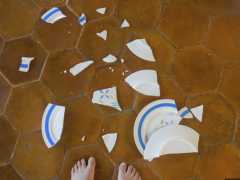
🇬🇧/ˈklætə(r)/ 🇺🇸/ˈklætər/noun [专属名词] 哗啦声;嘈杂的谈笑声;咔嗒声
The wolf said, "You'll awaken everybody in the house if you make such a clatter." 狼说:“你要是这么吵,会把屋里的人都吵醒的。”
verb [vi. 不及物动词] vi. 发出哗啦声;喧闹的谈笑
He turned and clattered down the stairs. 他转过身,噔噔地下楼梯。
verb [vt. 及物动词] vt. 使卡搭卡搭的响
You can imagine how they'd rattle and clatter in the wind and how they might completely capture your attention. 你可以想象,它们在风中会如何咔嗒作响,它们可能会吸引你的全部注意力。
与 “clatter” 相关联的词汇
sustenance
/ˈsʌstənəns/noun [物质名词] 食物;生计;支持
There's not much sustenance in a bowl of soup. 一碗汤没多少营养。
与 “sustenance” 相关联的词汇
noun [专属名词] 食欲,胃口;欲望,爱好
He has a healthy appetite. 他有健康的胃口。

与 “appetite” 相关联的词汇
grudge
/ɡrʌdʒ/noun [抽象名词] 怨恨,嫌隙、恶意,怨恨
He have / bear / hold a grudge 怀恨在心
verb [vt. 及物动词] (因不满而)不愿意给(或允许);嫉恨,妒忌(某人)做成(某事)
He grudges paying taxes. 他不愿纳税。He grudges the money he pays in tax.他不愿意交税金。

与 “grudge” 相关联的词汇
absorbing
🇬🇧/əbˈzɔːbɪŋ; əbˈsɔːbɪŋ/ 🇺🇸/əbˈzɔːrbɪŋˌəbˈsɔːrbɪŋ/adjective [原级] 十分有趣的;引人入胜的
"Two Sisters" is an absorbing read. 《 两姊妹》是一本引人入胜的读物。
verb [vt. 及物动词] 吸收;接受(消息等);(使)并入;掌握;(使)全神贯注;减轻(打击等)作用;耗费,占用;承担(absorb 的现在分词)
Chess can be an extremely absorbing game. 国际象棋有时就是一场引人入胜的游戏。
与 “absorbing” 相关联的词汇
banish
/ˈbænɪʃ/verb [vt. 及物动词] 驱逐,赶走;将……驱逐出境,流放;清除,消除;打消……的念头,驱除(想法)
I was banished to the small bedroom upstairs. 我被赶到楼上的小卧室。
noun [专属名词] 【名】 (Banish)(英)巴尼什(人名)
Women, don't banish your man to the couch or stomp off to pout in the spare bedroom. 女人,不要把你的男人打发到沙发上,也不要在空闲的卧室里跺脚噘嘴。