
重 点
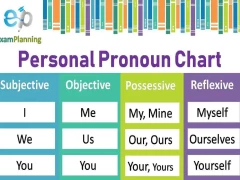
A speaker or writer uses I to refer to himself or herself. I is a first person singular pronoun. I is used as the subject of a verb. 我 (用作主格)
pronoun [人称代词] 我
I feel I should resign. 我认为我应该辞职。
pron. 我
- 网友用 “I” 造句精选
- I wouldn't sunbathe topless if I thought I might offend anyone. 如果我知道可能冒犯任何人,我就不会袒胸沐日光浴。
- Jim and I are getting married. 吉姆和我要结婚了。
人称代词
| 人称 | 单数 | 复数 | ||||||||
|---|---|---|---|---|---|---|---|---|---|---|
| 主格 | Be | 宾格 | 形物 | 名物 | 主格 | Be | 宾格 | 形物 | 名物 | |
| 第一人称 | I | am | me | my | mine | we | are | us | our | ours |
| 第二人称 | you | are | you | your | yours | you | you | your | yours | |
| 第三人称 | she | is | her | her | hers | they (他们) | them(他们) | their(他们的) | theirs(他们的) | |
| he | him | his | his | |||||||
| it | it | its | its | |||||||
| Johns | Johns | Johns' | ||||||||
|
形容词性物主代词+名词:my dress、her coat、his tie、our country、their story、your mistake.
|
||||||||||
|
名词性物主代词: This is my shirt → This shirt is mine. Those are their bags → Those bags are theirs.
|
||||||||||