arrival
/əˈraɪv(ə)l/noun [抽象名词] 到达,到来;到达者,加入者;产生,出现
He was dead on arrival at the nearby hospital. 他在到达附近的医院时已死。
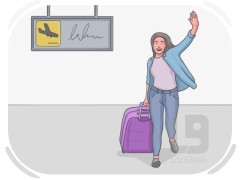
与 “arrival” 相关联的词汇
stove
🇬🇧/stəʊv/ 🇺🇸/stoʊv/noun [专属名词] (取暖或烹饪用的)炉子,火炉;厨灶,炉头;窑;<英>温室
She put the kettle on the gas stove. 她把水壶放在煤气炉上。
verb [vt. 及物动词] (为了喷涂表层而)在炉中对(物体)进行热处理;(用硫磺等烟雾)烟熏,消毒(房屋);<英>在温室中加速(植物)生长,培植(植物)
.Is there a stove in the kitchen? 厨房里有炉灶吗?
verb [vt. 及物动词] 击穿;挡开,延缓(stave 的过去式和过去分词)
He stove the condensed milk from a hole on the tin. 他在罐头上凿了个孔,往出倒炼乳。
noun [专属名词] 【名】 (Stove)(瑞典)斯托韦(人名)
The stove is burning. 炉火在烧着。
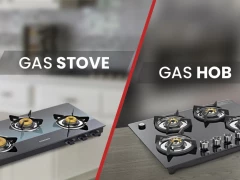
与 “stove” 相关联的词汇
noun [专属名词] 伙伴,伙计;小伙子
He's an intelligent man and a nice fella. 他是个有智慧的男人也是个好人。
noun [专属名词] (Fella)人名;(德、意)费拉
Have you met her new fella? 你见到她的新男朋友没有?
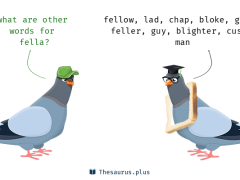
与 “fella” 相关联的词汇
noun [具体名词] 蜂蜜;亲爱的,宝贝儿;<非正式>极好的事物
Have you seen my keys, honey? 你见到我的钥匙了吗,宝贝?
verb [vt. 及物动词] 对…说甜言蜜语;加蜜使甜;奉承
Honey can help to detox the body. 蜂蜜有助于身体解毒。
adjective [原级] 甘美的;蜂蜜似的
She licked the honey off the spoon. 她舔光了调羹上的蜂蜜。

与 “honey” 相关联的词汇
verb [vt. 及物动词] 建立:将某物建立起来或使其开始运作。
They set up a new company last year. 他们去年成立了一家新公司。
verb [vt. 及物动词] 设立:在某地或某个场所建立或设立某物。
They set up a booth at the trade fair. 他们在贸易展览会上设立了一个展台。
verb [vt. 及物动词] 安装:将设备或机器安装好并使其准备好进行操作。
He set up the new computer system in the office. 他在办公室安装了新的计算机系统。
verb [vt. 及物动词] 筹备:为某项活动或计划做准备工作。
They are setting up for the conference next week. 他们正在为下周的会议做准备工作。
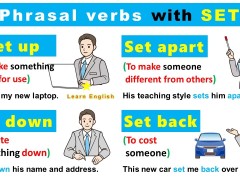
与 “set up” 相关联的词汇
crazy
/ˈkreɪzi/adjective [原级] 愚蠢的,古怪的,不理智的;极度烦恼的,疯狂的;精神失常的;狂热的,迷恋的;(角度)极其歪斜的
People thought they were all crazy to try to make money from manufacturing. 人们认为他们都试着从制造业中赚钱太傻了。
noun [专属名词] 疯子
Outside, mumbling, was one of New York's ever-present crazies. 在外面喃喃自语的人是纽约常有的疯子之一。

与 “crazy” 相关联的词汇
junior
🇬🇧/ˈdʒuːniə/ 🇺🇸/ˈdʒuːniər/noun [抽象名词] (非正式)小(用于对某人儿子的昵称或称呼方式)
If you are someone's junior, you are younger than they are. 较年幼者 • She now lives with actor Denis Lawson, 10 years her junior. 她现在和比她小10岁的演员丹尼斯·劳森同居。
adjective [原级] 年龄较小的;地位(或级别)低的,资历较浅的;(体育运动)青少年的;<英>(7-11岁的)学童的;<英>(学校或学校的一部分) 为11或13岁以下儿童设立的;<美>(四年制大学或中学)三年级学生的;小(用于与父亲同名者的名字之后)
Junior members of the team often take on supportive roles. 团队中的初级成员通常承担辅助性工作。
noun [专属名词] 【名】 (Junior)(美、巴、葡)尤尼奥尔(人名)
I completed my junior year in Spain. 我在西班牙完成了我的三年级学业。

与 “junior” 相关联的词汇
graduation
/ˌɡrædʒuˈeɪʃ(ə)n/noun [抽象名词] 毕业;毕业典礼;(容器或设备上的)刻度;在刻度尺上按度数(或其他比例分配)的划分
They asked what his plans were after graduation. 他们问他毕业后有何打算。

与 “graduation” 相关联的词汇
railroad
🇬🇧/ˈreɪlrəʊd/ 🇺🇸/ˈreɪlroʊd/noun [专属名词] <美>铁路,铁轨;<美>铁路公司,铁路部门
Court decisions always went against railroad workers. 法院的判决总是对铁路工人不利。
verb [vi. 不及物动词] 迫使…仓促行事,强迫…做;迫使…草率通过;<美>轻率判处
This town got a lot bigger when the railroad came in the 1860s. 在 19 世纪 60 年代铁路开通之后,这个城镇的规模变得大了很多。

与 “railroad” 相关联的词汇
stuff
/stʌf/noun [具体名词] 东西,物品;基本特征,特质,根本;<非正式>(某人从事的)活动,事情;<非正式>原材料;投球能力;<非正式>作品,乐曲,艺术;胡说八道,废话,荒谬的想法;<非正式>饮料,毒品;<英,旧>毛料,呢绒
I'd like some coffee, and I don't object to the powdered stuff if it's all you've got. 我想要点咖啡,如果你们只有粉状的东西,我也不反对。
verb [vt. 及物动词] 塞进,填进;填满,装满;填作料,填馅;制作(动物)标本;<非正式>(使)吃撑,吃足;不稀罕,不在乎;<非正式>把同样的印刷品装进(信封);<美>把伪造选票投入(票箱);<英,俚>性交(一个男人和一个女人性交)
If you stuff something somewhere, you push it there quickly and roughly. 把…塞进 I stuffed my hands in my pockets. 我把双手塞进了我的口袋里。

与 “stuff” 相关联的词汇
inside
/ˌɪnˈsaɪd/noun [抽象名词] 内部,内侧;<非正式>内脏,(尤指)胃;里道,内圈;(靠近路边的)慢车道
McAvoy was convinced he could control things from the inside but he lost control. 麦卡沃伊深信他能够从内部控制形势,可他却失去了控制。
adverb [地点副词] 在(或向)里面;在监牢里
The couple chatted briefly on the doorstep before going inside. 夫妇俩进屋前在门阶上简单地聊了几句。
preposition [位置和方向] 在(或向)…内,在(或向)…里;在…时间之内;(足球、英式橄榄球等体育运动)(比另一队员)更靠近球场中心
Inside the passport was a folded slip of paper. 护照里面是一张折叠的纸条。
adjective [原级] 里面的;从内部了解到的,内线干的;(马路车道)靠近路边的,慢(道)的;(曲棍球、足球等体育运动)场地中心附近的
The popular papers all have photo features on their inside pages. 通俗报纸的内页都有照片特写。

与 “inside” 相关联的词汇
locked
/lɒkt/adjective [原级] (战斗或冲突)僵持不下的;上锁的
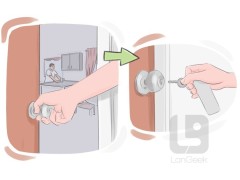
The door was locked from the inside. 门从里面锁上了。
verb [vt. 及物动词] 锁上;紧闭;紧抱住(lock 的过去式和过去分词)
We were locked in. 我们被锁在里面了。
与 “locked” 相关联的词汇
noun [专属名词] 衣架;挂钩;绞刑执行者
Are you one of those people who use a treadmill as a fancy clothes hanger? 你是不是像有些人一样把跑步机当作漂亮衣服的挂衣架?
noun [专属名词] (Hanger)人名;(英)汉格
The whole joint angles out horizontally from the neck, like a coat hanger. 整个关节从颈部起,像个衣架一样,横着伸出一个角度。

与 “hanger” 相关联的词汇
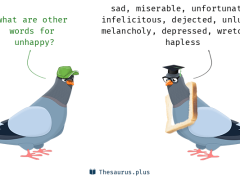
adjective [原级] 不快乐的;不幸福的;不适当的
Her marriage is in trouble and she is desperately unhappy. 她的婚姻出了问题,她极不快乐。
与 “unhappy” 相关联的词汇
disappointed
/ˌdɪsəˈpɔɪntɪd/adjective [原级] 失望的,沮丧的;(希望、期待)破灭的
Adamski says he was very disappointed with the mayor's decision. 阿达姆斯基说他对市长的决定非常失望。
verb [vt. 及物动词] 使失望;使破灭,使落空(disappoint 的过去式和过去分词形式)
To say I'm disappointed is an understatement. 说我很失望是很轻的说法。

与 “disappointed” 相关联的词汇
wondering
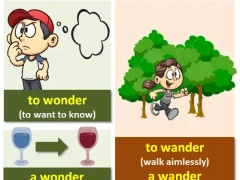
/ˈwʌndərɪŋ/verb [vt. 及物动词] 想知道;(用于询问时)不知道;感到疑惑;感到诧异(wonder 的现在分词)
I'm wondering whose mother she is then. 我想知道她又会是谁的母亲呢。
adjective [原级] 感到着迷的;觉得惊奇的;好奇的
I was just wondering if you could help me. 不知你是否能帮助我。
与 “wondering” 相关联的词汇
verb [vt. 及物动词] 送,寄出(send的过去式和过去分词)
She sent the letter by airmail. 她寄的是航空信。
noun [专属名词] 分(爱沙尼亚货币单位,1克鲁恩等于100分)
a monetary unit of Estonia, worth one hundredth of a kroon 爱沙尼亚的货币单位(等于百分之一的克鲁恩)