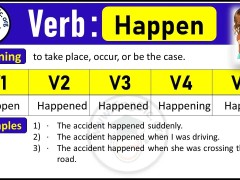
verb [vt. 及物动词] 发生;使遭遇;碰巧
We cannot say for sure what will happen. 我们说不准将会发生些什么。
adverb [方式副词] <北英格兰>或许,大概
He called Amy to see if she knew where his son was. As it happened, Amy did know. 他打电话给埃米,看她是否知道他儿子在哪儿。碰巧的是,埃米还真知道。
与 “happen” 相关联的词汇
sick
/sɪk/adjective [原级] 生病的,患病的;病人的;恶心的,想吐的;不快的,恼怒的;厌倦的,厌烦的;(情感)强烈得令人不适的;(人)变态的,病态的;(故事、笑话等)令人毛骨悚然的,病态的;不祥的;(喻)(组织,体系,社团)面临严重问题的,不景气的;<非正式> 极好的;渴望的
He's very sick. He needs medication. 他病得很重,需要药物治疗。
noun [抽象名词] 病人(the sick);<英,非正式> 呕吐物
There were no doctors to treat the sick. 那时没有医生医治病人们。
verb [vt. 及物动词] <英,非正式> 呕吐;放狗咬;<非正式> 派某人去追击(或监视、陪伴)
His hypocrisy makes me sick. 他的虚伪让我恶心。

与 “sick” 相关联的词汇
nervous
🇬🇧/ˈnɜːvəs/ 🇺🇸/ˈnɜːrvəs/adjective [原级] 神经紧张的,担忧的;神经质的,神经过敏的;神经的,神经系统的;(疾病)由精神紧张引起的,由精神压力造成的;易激动的,易兴奋的;强健有力的
She flicked him a nervous glance. 她紧张不安地瞟了他一眼。

与 “nervous” 相关联的词汇
believe
/bɪˈliːv/verb [vi. 不及物动词] 相信;认为,猜想;信教
If you believe someone or if you believe what they say or write, you accept that they are telling the truth. 相信 • He did not sound as if he believed her. 听起来他似乎不相信她的话。

与 “believe” 相关联的词汇
without
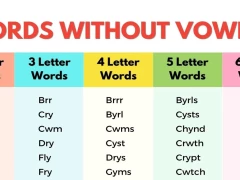
/wɪˈðaʊt/preposition [状态和条件] 没有,缺乏;不使用,不借助;在没有(发生或做某事)的情况下;没有,不带(某种感情);不和…在一起,无…相伴;在外面,在外部
I don't like myself without a beard. 我不喜欢自己没有胡子的样子。
adverb [方式副词] 没有,缺乏;在外面
He complied without argument. 他毫不犹豫地照做了。
noun [抽象名词] 外部,外面
She is entirely without malice. 她完全没有恶意。
与 “without” 相关联的词汇
downstairs
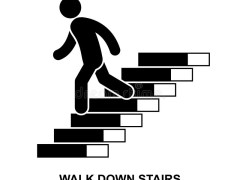
🇬🇧/ˌdaʊnˈsteəz/ 🇺🇸/ˌdaʊnˈsterz/adverb [地点副词] 顺楼梯而下,往楼下;在楼下
Denise went downstairs and made some tea. 丹尼丝下楼沏茶。
adjective [原级] 在楼下的,在底楼的
She repainted the downstairs rooms and closed off the second floor. 她重新粉刷了楼下的房间,并把二楼封上了。
noun [专属名词] 楼下(尤指地面的一层),下面的几层楼
The downstairs of the two little houses had been entirely refashioned. 两座小房子的底层已彻底翻新过了。
与 “downstairs” 相关联的词汇
decide
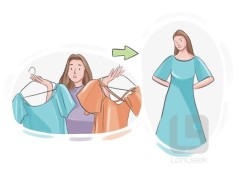
/dɪˈsaɪd/verb [vi. 不及物动词] 影响(或决定)…的结果;断定,判定;使下决心;决定,选定;裁决,判决
If a person or group of people decides something, they choose what something should be like or how a particular problem should be solved. 裁定 She decided to take a course in philosophy. 她决定修一门哲学课。
与 “decide” 相关联的词汇
apologize
🇬🇧/əˈpɒlədʒaɪz/ 🇺🇸/əˈpɑːlədʒaɪz/verb [vt. 及物动词] 道歉,谢罪
I apologize for being late, but I have just had a message from the hospital. 我为迟到表示歉意,但我刚得到了来自医院的一个消息。

与 “apologize” 相关联的词汇
noun [专属名词] 礼物,赠品;恩赐,授予;轻而易举的事,绝对不会错失的机会;才能,天赋
They believed the unborn child was a gift from God. 他们相信那个尚未出生的孩子就是上帝赐予的一份礼物。
verb [vi. 不及物动词] 赠送;(无意中)让(对手)获得
The watch was a gift from my mother. 这块表是母亲给我的礼物。

与 “gift” 相关联的词汇
bonsai
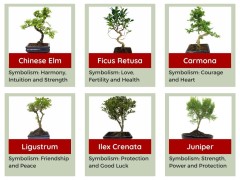
🇬🇧/ˈbɒnsaɪ/ 🇺🇸/ˈbɑːnsaɪ/noun [专属名词] 盆景;盆景艺术
Their trunks are as gnarled as bonsai. Long faintly glowing tendrils hang straight down in pastel curtains. 它们的树干盘根错杂,仿佛盆景一般。它们长长的卷须如帘子般垂下,发出轻柔的微光。
noun [专属名词] (Bonsai)(美)蓬赛(人名)
Their trunks are as gnarled as bonsai. 这些柳树的树干盘根错杂,仿佛盆景一般。
与 “bonsai” 相关联的词汇
join
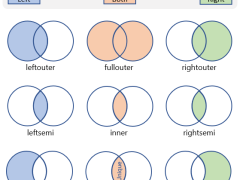
/dʒɔɪn/verb [vt. 及物动词] 成为…的一员,参加;连接,接合;联合,汇合;上(火车、飞机等);和…作伴,随同
If you join an organization, you become a member of it or start work as an employee of it. 参加 (组织) • He joined the Army five years ago. 他5年前参了军。
noun [抽象名词] 连接处,接合点
To join two things means to attach or fasten them together. 连接; 接合 • The opened link is used to join the two ends of the chain. 这个开口环是用来连接链条两头的。
与 “join” 相关联的词汇
tummy
/ˈtʌmi/noun [专属名词] 肚子,胃
Mummy, I've got a tummy ache. 妈妈,我肚子疼。
与 “tummy” 相关联的词汇
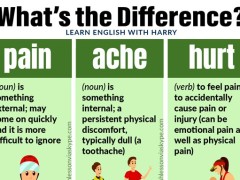
verb [vt. 及物动词] (隐隐地、持续地)疼痛;渴望;哀痛,怜悯
The glands in her neck were swollen, her head was throbbing and she ached all over. 她脖子里的淋巴腺肿了,头一跳一跳地作痛而且全身疼痛。
noun [抽象名词] (身体某部位的)疼痛;(心中的)苦痛,痛苦;<文>渴望; <文>渴望
You feel nausea and aches in your muscles. 你觉得恶心而且肌肉疼痛。
noun [专属名词] 【名】 (Ache)(美、法、印尼)阿切(人名)
The pain, usually a dull ache, gets worse with exercise. 这种疼痛,通常是隐隐作痛,运动时会加剧。
与 “ache” 相关联的词汇
important
🇬🇧/ɪmˈpɔːt(ə)nt/ 🇺🇸/ɪmˈpɔːrt(ə)nt/adjective [原级] 重要的,重大的;(人)影响很大的,权威的;大量的,许多的;自负的,自命不凡的
The most important thing in my life was my career. 我生活中最重要的部分是我的事业。

与 “important” 相关联的词汇
since
/sɪns/preposition [时间介词] 自…以后,自…以来;(表示气愤)何曾,什么时候
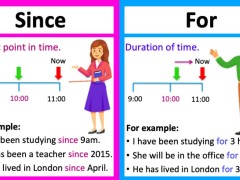
We've lived here since 1994. 自1994年以来我们一直住在这里。
conjunction [并列连词] 在…以后,自…以来;因为,由于,既然
I'm forever on a diet, since I put on weight easily. 我一直在节食,因为我的体重很容易增加。
adverb [时间副词] 自…以后,自…以来;此后,后来
About six thousand people were arrested, several hundred of whom have since been released. 约六千人被逮捕,不过他们中有几百人后来被释放了。
与 “since” 相关联的词汇
matter
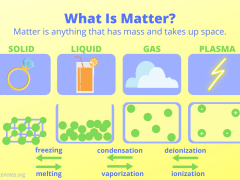
🇬🇧/ˈmætə(r)/ 🇺🇸/ˈmætər/noun [抽象名词] 事情,问题;事态,情况;困境,麻烦(the matter);物质;材料,物品,东西;书面材料,印刷品;(身体感染部位排出的)脓,黄水;命题内容;(表示数量或时间之少)大约,左右;(法庭审问或证明的)事项,案件
It was clear that she wanted to discuss some private matter. 很明显她想讨论一些私事。
verb [vi. 不及物动词] 要紧,有关系;(伤口)化脓,流脓
A lot of the food goes on the floor but that doesn't matter. 很多食物掉在地板上,但是那不要紧。
与 “matter” 相关联的词汇
noun [抽象名词] 事实,真相;现实
When you refer to something as a fact or as fact, you mean that you think it is true or correct. 事实 • ...a statement of verifiable historical fact. …一个对可考证的历史事实的说明。

与 “fact” 相关联的词汇
fashion
/ˈfæʃ(ə)n/noun [抽象名词] 时髦打扮,流行装扮;时尚,时兴;(做事的)方式;时装领域,时尚界
A fashion is a style of clothing or a way of behaving that is popular at a particular time. 时尚 • In the early seventies I wore false eyelashes, as was the fashion.
verb [vt. 及物动词] (尤指用手工)制作,使成形;塑造
I never pay attention to fashion and brands. 我从不关心时尚与名牌。

与 “fashion” 相关联的词汇
miss
/mɪs/noun [专属名词] 小姐(未婚女子)、女士,年轻未婚女子
an unmarried woman or girl, esp a schoolgirl 女孩子; 女学生 Will that be all, Miss?
verb [vt. 及物动词] 想念,未击中,不懂;未做,错过
If you miss a chance or opportunity, you fail to take advantage of it. 错过 (机会) • It was too good an opportunity to miss. 这个机会太好了,不容错过。

与 “miss” 相关联的词汇
occasionally
🇬🇧/əˈkeɪʒnəli/ 🇺🇸/əˈkeɪʒ(ə)nəli/adverb [频率副词] 偶然,偶尔
I have a manicure occasionally. 我偶尔会做一次手甲护理。
与 “occasionally” 相关联的词汇
noun [专属名词] 午夜,半夜
It was well after midnight by the time Anne returned to her apartment. 安妮回到公寓时早已过了午夜。
adjective [原级] 半夜的,午夜的
It is totally out of the question to postpone the midnight deadline. 延迟午夜的最后期限是根本不可能的。

与 “midnight” 相关联的词汇
adjective [原级] 早期的,初期的;提早的,提前的;早开花的,早熟的
I decided that I was going to take early retirement. 我决定了我将提早退休。
adverb [程度副词] 在早期,在初期;提早,提前
I knew I had to get up early. 我知道我得早起。

与 “early” 相关联的词汇
promise
🇬🇧/ˈprɒmɪs/ 🇺🇸/ˈprɑːmɪs/verb [vt. 及物动词] 承诺,保证;使很可能,预示;指望,期待(promoise oneself);<古>把(某人,尤指女人)许配给;有指望,有前途
If you promise someone something, you tell them that you will definitely give it to them or make sure that they have it. 向 (某人) 承诺 (给予他们某物); 向 (某人) 保证 (他们获得某物)
noun [抽象名词] 承诺,诺言;前途,指望;迹象,预示
A promise is a statement that you make to a person in which you say that you will definitely do something or give them something. 诺言

与 “promise” 相关联的词汇
reason
/ˈriːz(ə)n/noun [专属名词] 原因,理由;充分理由,正当理由;道理,情理;判断力,理智
There is a reason for every important thing that happens. 发生的每一件重要事情都是有原因的。
verb [vi. 不及物动词] 推理,逻辑思考;推论出,推断出(reason sth. out);对(某人)以理相劝,劝告(reason with)
I reasoned that changing my diet would lower my cholesterol level. 我推断改变我的饮食会降低我的胆固醇水平。

与 “reason” 相关联的词汇
adjective [原级] 安全的,平安的;不损害(或危害)健康的;谨慎的;(地点或局势)安全的;不会丢失,不会被拿走;<非正式> 不错的;不致引起争议的,有把握的;(棒球)成功上垒的;(选举中席位)十拿九稳的;无风险的,稳妥的
If a person or thing is safe from something, they cannot be harmed or damaged by it. 不会受损伤的 They are safe from the violence that threatened them. 他们不会受到威胁性暴力的伤害。
noun [专属名词] 保险箱;<美,非正式> 阴茎套,安全套;纱橱
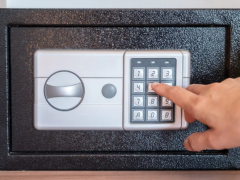
A safe is a strong metal cabinet with special locks, in which you keep money, jewellery, or other valuable things. 保险柜 The files are now in a safe to which only he has the key. 那些文件如今在一个保险柜里,只有他有钥匙。
adverb [方式副词] <美,非正式> 安全地,平安地
All 140 guests were brought out of the building safely by firemen. 140 位客人全部被消防人员安然无恙地救出了大楼。
与 “safe” 相关联的词汇
noun [抽象名词] 旅行,旅游;出门,出行;绊倒
She videotaped the entire trip. 她录下了整个旅程。
verb [vi. 不及物动词] 绊,绊倒;脚步轻快地走(或跑、跳舞)
Someone will trip over that cable. 有人会让那条电缆绊倒的。

与 “trip” 相关联的词汇
stand
/stænd/verb [vi. 不及物动词] 站立,直立;起立,站起来;使直立,竖放;位于(某处或某位置);高度为,高达;处于(某种状态);停,停靠;停滞,不流动,放着不动;很可能会;持有(某种态度或看法);达特定水平(或数量、高度等);保持有效,维持不变;忍受,容忍;经得起,经受
She was standing beside my bed staring down at me. 她当时站在我床边低头凝视着我。
noun [专属名词] 架,座,台;立场,见解;货摊,售货亭;反抗,抵抗;(体育场的)看台;摊位,展台;证人席;(在一局板球赛中两个击球员的)坚守时间,总计得分;出租车站,公共汽车站;林分
He felt the need to make a stand against racism in South Africa. 他觉得有必要表明反对南非种族主义的立场。