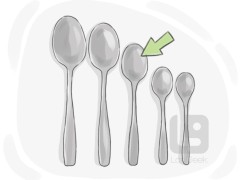
teaspoon
/ˈtiːspuːn/noun [集合/集体] 茶匙;一茶匙的量
To keep store-bought flowers fresh, snip an inch off each stem, add two teaspoons of vodka and one teaspoon sugar. 为了保持商店里买的鲜花新鲜,把每根花茎剪掉一英寸,然后加两勺伏特加和一勺糖。
与 “teaspoon” 相关联的词汇
medicine
🇬🇧/ˈmedsn/ 🇺🇸/ˈmedɪs(ə)n/noun [物质名词] 药物,药剂;医疗,医学;内科;(北美印第安人等民族所信奉的具有治疗或保护效力的)咒语,魔法
Medicine is a substance that you drink or swallow in order to cure an illness. 药 People in hospitals are dying because of shortages of medicine. 各医院的病人们因药物短缺正濒临死亡。
verb [vi. 不及物动词] 用药物治疗,给…用药
Research into LSD is not confined to medicine. 对于LSD的研究并不局限于药物方面。

与 “medicine” 相关联的词汇
worry
🇬🇧/ˈwʌri/ 🇺🇸/ˈwɜːri/verb [vt. 及物动词] 担心,发愁;使担忧,使发愁,使焦虑;烦扰,使不安宁;(狗)追赶,撕咬(其他动物)
If someone or something worries you, they make you anxious because you keep thinking about problems or unpleasant things that might be connected with them. 使担心
noun [抽象名词] 令人担忧的事,令人发愁的问题;担心,忧虑
Worry is the state or feeling of anxiety and unhappiness caused by the problems that you have or by thinking about unpleasant things that might happen. 忧虑

与 “worry” 相关联的词汇
hungry
/ˈhʌŋɡri/adjective [原级] 感到饿的,饥饿的;渴望的,热望的;使人饥饿的,引起食欲的;不毛的,贫瘠的
If you say that someone is hungry for something, you are emphasizing that they want it very much. 渴望的 • I was hungry to be heard by my c

与 “hungry” 相关联的词汇
adjective [原级] 晚期的,末期的;晚的,迟的;近日暮的,近深夜的;已故的;不久前的,最近的
The train was 40 minutes late. 这趟火车晚点了 40 分钟。
adverb [时间副词] 晚,迟;(时间上)接近终了,在晚年;临近日暮,接近午夜;(时间上)接近终了,临近末了,在晚年
She's late for work every day. 她每天上班都迟到。

与 “late” 相关联的词汇
dinner
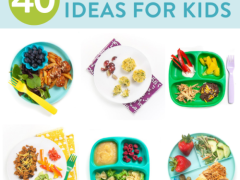
🇬🇧/ˈdɪnə(r)/ 🇺🇸/ˈdɪnər/noun [专属名词] 正餐,晚餐;晚宴,宴会;速食饭,方便饭
Shall we have trout for dinner? 我们晚餐吃鳟鱼好吗?
noun [专属名词] 【名】 (Dinner)(法)迪内(人名)
I puked up my dinner. 我把吃的饭都吐了。
与 “dinner” 相关联的词汇
surprise
🇬🇧/səˈpraɪz/ 🇺🇸/sərˈpraɪz/noun [抽象名词] 不寻常的事件,意外之事;惊奇,惊讶;令某人意外惊喜的事物(如礼物、旅行等);出其不意(出人意料)的方法;让人大吃一惊的人;(鸣钟术)一种复杂的敲奏编钟的方法
I have a surprise for you: We are moving to Switzerland! 我要告诉你一件意想不到的事:我们要搬到瑞士去!
verb [vi. 不及物动词] 使(某人)吃惊;意外发现,当场抓获,突然袭击;给…惊喜,使喜出望外
We'll solve the case ourselves and surprise everyone. 我们将自己解决这件事,并让所有人吃惊。
adjective [原级] 令人惊奇的,意外的
Baxter arrived here this afternoon, on a surprise visit. 巴克斯特今天下午突然到了这里,做意外造访。

与 “surprise” 相关联的词汇
pasta
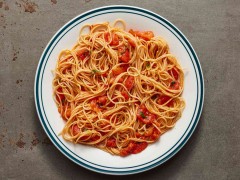
🇬🇧/ˈpæstə/ 🇺🇸/ˈpɑːstə/noun [专属名词] 意大利面食;面团
She dug into her bowl of pasta. 她津津有味地吃着碗里的面条。
与 “pasta” 相关联的词汇
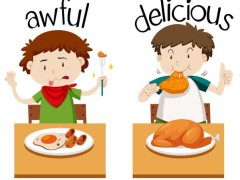
adjective [原级] 美味的,芬芳的;令人愉快的,宜人的
There's always a wide selection of delicious meals to choose from. 总有很多种美味佳肴可供选择。
与 “delicious” 相关联的词汇
dessert
🇬🇧/dɪˈzɜːt/ 🇺🇸/dɪˈzɜːrt/noun [专属名词] (正餐后的)甜点
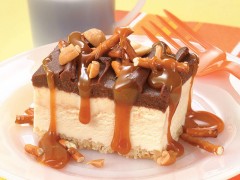
She had homemade ice cream for dessert. 她吃了些自制冰淇淋当餐后甜点。
与 “dessert” 相关联的词汇
noun [专属名词] 香草精,香子兰精;香草冰淇淋;香草冰淇淋色,浅奶黄色;香子兰,香果兰,香夹兰
I added a dollop of vanilla ice cream to the pie. 我在馅饼中加了一块香草冰淇淋。
adjective [原级] 香草味的;无特色的,普通的
The vanilla gives off a nice smell. 香草发出怡人的香味。

scoop
🇬🇧/skuːp/ 🇺🇸/skuːp/noun [抽象名词] 勺,球形勺;铲,铲斗;<非正式>(抢先报道的)独家新闻;<美,非正式>(尤指私人的)最新内幕(the scoop);一勺,一铲斗(的量);舀的动作,铲的动作;(唱歌中)夸张的上滑音
A scoop is an object like a spoon which is used for picking up a quantity of a food such as ice cream or an ingredient such as flour. 勺
verb [vt. 及物动词] 用勺舀,用铲子铲;挖出,挖空;(急速地)捡起,抱起;<非正式>抢先报道(新闻);<非正式>赢得(金钱、奖品或胜利纪念品);(唱歌)使用夸张的上滑音作为曲调的前奏
If you scoop a person or thing somewhere, you put your hands or arms under or around them and quickly move them there. (敏捷地) 抱住

与 “scoop” 相关联的词汇
serve
🇬🇧/sɜːv/ 🇺🇸/sɜːrv/verb [vt. 及物动词] (为…)工作,服务;提供,端上(食物); 接待,服务;供应,提供;服(刑),当(学徒)
If you serve in a particular place or as a particular official, you perform official duties, especially in the armed forces, as a civil servant, or as a politician. 服役; 任职 It is unfair to soldiers who have served their country well for many years. 对忠心效力国家多年的士兵们来说,这是不公平的。

与 “serve” 相关联的词汇
film
/fɪlm/noun [专属名词] 电影,影片;电影艺术,电影业;胶卷,底片;薄膜,薄层;纪实镜头,记录画面;<古>细丝
A film of powder, liquid, or oil is a very thin layer of it. 薄层 • The sea is coated with a film of raw sewage. 海上覆盖着薄薄一层未经处理的污水。
verb [vi. 不及物动词] 录制,拍摄电影;(似)被覆盖上一薄层东西,变得朦胧;在…上覆以薄膜
If you film something, you use a camera to take moving pictures which can be shown on a screen or on television. 把…拍摄成影片 • He had filmed her life story. 他已经把她的人生故事拍成了电影。

与 “film” 相关联的词汇
roll
🇬🇧/rəʊl/ 🇺🇸/roʊl/verb [vt. 及物动词] (使)翻滚,滚动;(使)翻身,翻转;行驶,开动;(机器)转动,运转;(液体)滚落,滑落;使…成球状(或管状);使平坦,压平;把(衣服的边)卷起来;(使)摇摆,摇晃;(使)原地转圈,翻白眼;摇(车窗),卷(窗帘等);发出持续的声音;(时间)流逝;(产品)从(流水线,机器)产出;<非正式>盗窃;连获成功
If you roll somewhere, you move on a surface while lying down, turning your body over and over, so that you are sometimes on your back, sometimes on your side. 打滚
noun [具体名词] 卷,卷轴;卷状食品;赘肉,肥肉;名单,花名册;一管;滚动,翻滚;左右摇晃,振荡(rolling stone 漂泊的人);隆隆声,轰轰响;掷骰子;压路机,辊轧机;(地形的)延绵起伏
A roll of paper, plastic, cloth, or wire is a long piece of it that has been wrapped many times around itself or around a tube. (一) 卷

stuff
/stʌf/noun [具体名词] 东西,物品;基本特征,特质,根本;<非正式>(某人从事的)活动,事情;<非正式>原材料;投球能力;<非正式>作品,乐曲,艺术;胡说八道,废话,荒谬的想法;<非正式>饮料,毒品;<英,旧>毛料,呢绒
I'd like some coffee, and I don't object to the powdered stuff if it's all you've got. 我想要点咖啡,如果你们只有粉状的东西,我也不反对。
verb [vt. 及物动词] 塞进,填进;填满,装满;填作料,填馅;制作(动物)标本;<非正式>(使)吃撑,吃足;不稀罕,不在乎;<非正式>把同样的印刷品装进(信封);<美>把伪造选票投入(票箱);<英,俚>性交(一个男人和一个女人性交)
If you stuff something somewhere, you push it there quickly and roughly. 把…塞进 I stuffed my hands in my pockets. 我把双手塞进了我的口袋里。

与 “stuff” 相关联的词汇
noun [专属名词] 渡船
This neighbour crewed on a ferryboat. 这位邻居在一艘渡船上当船员。

与 “ferryboat” 相关联的词汇
adjective [原级] 高兴的;感激的;乐意的,非常愿意的;令人愉快的,充满欢乐的
The people seem genuinely glad to see you. 人们见到你时显然非常高兴。
verb [vt. 及物动词] <古>取悦,使高兴
I'm glad that you're over the flu. 我很高兴你已经康复了,不再患流感了。

与 “glad” 相关联的词汇
introduce
🇬🇧/ˌɪntrəˈdjuːs/ 🇺🇸/ˌɪntrəˈduːs/verb [vt. 及物动词] 介绍,引见;使初次了解,使尝试;为(电视或广播节目)做开场白,主持;实施,推行;首次引入(某物),使传入;使开始,创始;将(法案)提交讨论;将…放进,添入
MGM introduced a new system for hiring writers. 米高梅公司引进了一项新的制度来雇人写作。

与 “introduce” 相关联的词汇
show
🇬🇧/ʃəʊ/ 🇺🇸/ʃoʊ/verb [vt. 及物动词] 显示,表明;给…看,出示;(通过示范)教,解说;指给某人看,指出;带领,引领;(情感、品质等的)流露,表露;(对某人)表现出,对待;显示出,流露出;容易显出,容易看到;标示,表明(信息、时间、计量);描绘,表现(为);放映,播出;展示,展出;<非正式> 证明,表明;如约赶到,露面
Show me which picture you drew. 指给我看哪张画是你画的。
noun [抽象名词] 演出,歌舞表演;(电视或广播)节目;展览,展览会;(体现内心感受的)动作,行为;装出的样子,虚假的外观;鲜艳悦目的景象;<非正式> 事情,场面;<非正式> 表现;动物比赛;场面,场合;<非正式> 滑稽场面,洋相;(分娩或月经时的)见红,现血,血先露;<非正式> (做某事的)机会,时机
Research shows that young people still look to parents as their main source for health information. 研究表明年轻人仍然指望父母作为他们主要的健康信息来源。

与 “show” 相关联的词汇
noun [专属名词] 照片
Let's take a photo! 我们拍张照片吧!
verb [vi. 不及物动词] 拍照
She clasped the photo to her heart. 她把相片紧紧地抱在怀里。

与 “photo” 相关联的词汇
noun [抽象名词] 困难,难题,苦恼;险境,困境;费事,不便;问题,麻烦,缺陷;(机器、车辆或系统的)故障,毛病;动荡,骚乱;疾病,疼痛;需劳神费力的人(或动物);内战,动乱时期(the Troubles)
Are you causing trouble again? 你又在惹麻烦吗?
verb [vi. 不及物动词] 使忧虑,苦恼;费神,费力;劳驾,麻烦;给…造成麻烦(困难);折磨,使疼痛
You've caused us a lot of trouble. 你已经给我们造成了很多麻烦。

与 “trouble” 相关联的词汇
easy
/ˈiːzi/adjective [原级] 容易的,不费力的;舒适的,自如的;随和的;轻浮的;平缓的
If you describe an action or activity as easy, you mean that it is done in a confident, relaxed way. 轻松自如的
adverb [程度副词] 小心;容易地,悠闲地
They talked amiably and easily about a range of topics. 他们亲切而又轻松地谈着一系列的话题。

与 “easy” 相关联的词汇
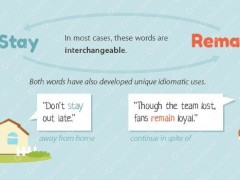
verb [vi. 不及物动词] 停留,逗留;保持原状,维持;坚持;(到访或作客时)留宿,暂住;不去,远离某地;避开,不参与(麻烦或不利局面);停止,延期,延缓;<文>控制,中止,抑制;<苏格兰>定居;暂时解除(饥饿);用支索支撑(桅杆),用牵索固定;<文>支持,支撑
You can stay here if you like. 如果你愿意,你可以留在这儿。
noun [抽象名词] 暂住,逗留;<法律>(审判的)推迟,延缓;(船桅的)支索,(杆子等的)牵索,撑条;(衬衫衣领的)撑条;<文>控制,中止,抑制;<史>胸衣,紧身褡,紧身背心;支撑物,稳固物;(飞机的)拉杆,拉索
When is Nanny coming to stay? 保姆什么时候来住呢?
与 “stay” 相关联的词汇
subject
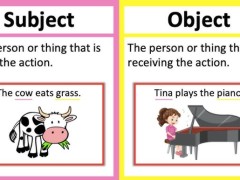
🇬🇧/ˈsʌbdʒɪkt/ 🇺🇸/ˈsʌbdʒekt/noun [抽象名词] 主题,话题;学科,科目,课程;主语;(绘画、摄影等的)主题,题材;实验对象;(批评、学习、调查的)对象;国民;起因;(逻)主词,主项,主概念;(乐)主旋律;(哲)主体,主观;中心实体
It was I who first raised the subject of plastic surgery. 是我首先提起了整形手术这个话题。
verb [vi. 不及物动词] 使臣服,征服,压服;使经受,使遭受
...the man who had subjected her to four years of beatings and abuse. … 那个使她遭受了4年殴打和辱骂的男人。
adjective [原级] 隶属的,臣服的;可能受…影响的,易遭受…的;受…支配的,服从于…的;取决于,视…而定
The tribunal is unique because Mr. Jones is not subject to the normal police discipline code. 这个审判很特别,因为琼斯先生不受一般的警务纪律约束。
与 “subject” 相关联的词汇
biology
🇬🇧/baɪˈɒlədʒi/ 🇺🇸/baɪˈɑːlədʒi/noun [专属名词] 生物学;生命机理,作用方式;生理习性;(某个地区的)生物
The biology of a living thing is the way in which its body or cells behave. (机体、细胞的) 作用方式

与 “biology” 相关联的词汇
mathematics
🇬🇧/ˌmæθəˈmætɪks/ 🇺🇸/ˌmæθəˈmætɪks/noun [抽象名词] 数学;数学运算
He tutors students in mathematics. 他教学生数学。

与 “mathematics” 相关联的词汇
noun [专属名词] 儿科医生(paediatrician 的美式拼写)
Playing with digital devices discourages kids from active discovery, according to pediatrician Dr. Michael Yogman. 儿科医生迈克尔·约格曼表示,孩子们玩电子设备会妨碍他们积极地探索世界。

lawyer
🇬🇧/ˈlɔɪə(r)/ 🇺🇸/ˈlɔɪər/noun [专属名词] 律师
I should like to call my lawyer. 我希望给我的律师打个电话。
verb [vi. 不及物动词] 从事法律工作,当律师;(律师)处理法律事务
He is a Harvard-educated lawyer from Miami. 这个律师拿了很高的薪金。

与 “lawyer” 相关联的词汇
save
/seɪv/noun [专属名词] 救助,搭救;避免,减少;积攒,储蓄;节省(钱、时间或其他资源);保存,保留;收集;(为某人)保留;(计算机)保存(数据);使健康长寿,护佑;(足球等)救球,防止对方进球;(棒球)(替补投手) 保持(其他投手取得的领先地位);(基督教)拯救(某人),使摆脱罪孽
The goalie made some great saves. 这名守门员扑住了几个好球。
verb [vi. 不及物动词] (足球等守门员的)救球;(棒球)(替补投手) 保持(其他投手取得的领先地位);(计算机)存储数据
The meeting is an attempt to mobilize nations to save children from death by disease and malnutrition. 该会议试图动员各国救助儿童,以免死于疾病和营养不良。
preposition [位置和方向] <正式> 除……之外
Julie wanted to put some of her money aside for holidays or save up for something special. 朱莉想留出一些钱去度假或是存些钱以备专门之需。

与 “save” 相关联的词汇
verb [vt. 及物动词] 忘记;轻忽;遗漏(forget 的过去式)
Neither of us forgot about it. 我们俩都没有忘记这件事。