exam [iɡˈzæm] n. 考试
【派】examination 考试
【扩】test 测试 quiz 小型考试
* * *
A: Do you have any plan after graduation?
B: All my family members encourage me to take the postgraduate entrance exam.
A:毕业后你有什么打算吗?
B:我的家人都鼓励我参加研究生入学考试。
* * *
pass [pɑːs] v. 及格,通过
mathematics [ˌmæθəˈmætiks] n. 数学
question [ˈkwestʃ(ə)n] n. 问题
【扩】interrogative 疑问的
【搭】ask a question 问问题
out of question 没问题
* * *
A: What if someone asks me a question but I can't understand?
B: That occurs to everyone in English Corner. You can ask that person to say it again.
A:如果有人问我问题,我没听懂,怎么办?
B:在英语角,每个人都会遇到这样的 情况,你可以请那个人再说一遍。
* * *
easy [ˈiːzi] adj. 容易的
enough [iˈnʌf] adv. 足够地
paper [ˈpeipə] n. 考卷
fail [feil] v. 未及格,失败
【派】failure 失败
【扩】pass the exam 考试及格
【搭】fail the exam 考试不及格
fail to do sth. 没能做某事
* * *
A: As for me, passing the exam is not an easy job.
B: But I failed the exam again yesterday.
A:至于我,考试及格不是一件轻而易举的事。
B:但昨天我又没考及格。
* * *
answer [ˈɑːnsə] v. 回答
mark [mɑːk] n. 分数
【派】remark 评论
【搭】get a high mark 得高分
mark time 原地踏步
* * *
A: Did you get a good record in English?
B: Yes, I obtained 95 marks in English.
A:你的英语成绩好吗?
B:是的,我英语得了95分。
* * *
rest [rest] n. 其他的东西
difficult [ˈdifikəlt] adj. 困难的
【派】difficulty 困难
* * *
A: Practicing Taiji must be very difficult, right?
B: The basics are not that difficult, but it's not easy to master.
A:打太极一定很难吧?
B:难倒不难,但要打得好可不容易。
* * *
hate [heit] v. 讨厌
【派】hateful 可恨的
【扩】dislike 讨厌
* * *
A: I hate to say this, but your boy is so mischievous.
B: I'm sorry to trouble you so much.
A:我真不愿提这事,但你的小孩确实太淘气了。
B:很抱歉给你带来了那么多麻烦。
* * *
low [ləu] adj. 低的
【派】lower 放低 lowly 地位低的
【扩】high 高的
【搭】feel low 情绪低落
* * *
A: I got a C in English.
B: That's a low grade.
A:我英语得了C。
B:这成绩太低了。
* * *
cheer [tʃiə] v. 振作,振奋
【派】cheers 干杯 cherry 高兴的
【扩】perk 振作
【搭】cheer up 振作
* * *
A: He looks blue.
B: Let's cheer him up.
A:他看上去很忧郁。
B:我们得让他振作起来。
* * *
guy [ɡai] n. 家伙,人
* * *
A: Who is the bridegroom?
B: Hill is that lucky guy.
A:谁是新郎?
B:希尔那个幸运的家伙。
* * *
top [tɔp] n. 上方,顶部
【派】topless 无顶的
【扩】peak 顶点
【搭】on the top of 在……顶部
* * *
A: It's not too much a problem for me to reach the top of the hill.
B: But it's a little difficult for me.
A:到达山顶对我来说并不太难。
B:但对我来说有点儿难。
Lesson 104 Too, very, enough太、非常、足够
clever [ˈklevə] adj. 聪明的
【扩】bright 聪明的 intelligent 聪明的
【反】fool 傻的
* * *
A: Everyone is so clever here.
B: Yeah, I feel I can't hold up my head here.
A:这儿每个人都那么聪明。
B:是啊,在这里我觉得抬不起头来。
* * *
stupid [ˈstjuːpid] adj. 笨的
* * *
A: I feel so stupid.
B: What happened? You look so depressed.
A:我觉得我自己很笨。
B:发生什么事了?你看起来很沮丧。
* * *
cheap [tʃiːp] adj. 便宜的
【派】cheaply 廉价地
【扩】inexpensive 便宜的
【反】dear 贵的
* * *
A: Can you make it cheaper?
B: That's almost cost price.
A:能便宜一点儿吗?
B:这几乎是成本价了。
* * *
expensive [ikˈspensiv] adj. 贵的
fresh [freʃ] adj. 新鲜的
* * *
A: Is there anything else we should pay attention to?
B: Please prepare a bunch of fresh roses for me.
A:还有别的需要我们注意的地方吗?
B:请为我准备一束新鲜的玫瑰。
* * *
stale [steil] adj. 不新鲜的,变味的
low [ləu] adj. 低的,矮的
* * *
A: Are there any low calorie foods?
B: Yes, we have some. Here they are.
A:有什么低热量的食物吗?
B:是的,我们有一些。都在这儿呢。
* * *
loud [laud] adj. 大声的
【派】loudly 大声地 aloud 大声地 loudness 大声
【搭】loud speaker 扩音器
* * *
A: The noise is too loud here.
B: Yes, I can hardly hear the music.
A:这儿的噪音太大了。
B:是的,我都快听不见音乐了。
* * *
high [hai] adj. 高的
【派】highly 非常
【扩】height 高度
* * *
A: This key is too high for me.
B: Have a try. Maybe you can.
A:这调子对我来说太高了。
B:试试吧,也许你可以呢。
* * *
hard [hɑːd] adj. 硬的
* * *
A: The meat is too hard to eat.
B: I'm sorry, sir. I'll return it to the kitchen and bring another order for you.
A:这肉太硬了,没法吃。
B:很抱歉,先生。我会把它退回厨房,再给您重新叫一份。
* * *
sweet [swiːt] adj. 甜的
* * *
A: I'd like to have a look at something which isn't too sweet.
B: They're all here. Please choose any one you like.
A:我还想看看不太甜的点心。
B:都在这里。您可以随便挑。
* * *
soft [sɔft] adj. 软的
sour [ˈsauə] adj. 酸的
* * *
A: We have never had Chinese food. What can you recommend?
B: Fried shredded pork with sweet and sour sauce is nice.
A:我们从没吃过中国菜,你能推荐一些菜吗?
B:鱼香肉丝很不错。
exam
/ɪɡˈzæm/noun [专属名词] 考试;试卷;<美>医学检查
These medical exams have shown I am in perfect physical condition. 这些体检已表明我健康状况非常好。

与 “exam” 相关联的词汇
test
/test/noun [专属名词] (书面或口头的)测验,考试;(医疗上的)检查,化验,检验;(对机器或武器等的)试验,检验;(对水、土壤、空气等的)检测,检验;(衡量能力或技能等的)测试,考验;医疗检查设备;化验结果;(常指板球、橄榄球的)国际锦标赛(Test);准则,标准;(冶)烤钵,灰皿;(一些无脊椎动物和原生动物的)甲壳
Out of a total of 25 students only 15 passed the test. 所有25个学生中只有15个通过了测试。
verb [vi. 不及物动词] 试验,测试;测验,考查(熟练程度,知识);检测,检验(质量或含量);检查(身体),(用试剂)化验;考验;尝,(触)试
Either measure the temperature with a thermometer or test the water with your wrist. 要么用温度计测量水温,要么用你的手腕来试水温。
与 “test” 相关联的词汇
text
/tekst/noun [专属名词] (书、杂志等中区别于图片的)正文,文字材料;(演说等的)原文;(学习某课程必读的)课本,教科书;(供讨论或回答问题的)文本,文章;(讨论等的)题目,主题;(尤指科学或学术方面的)文献;(计算机、手机等)文档;短信;(尤指引作布道主题的)圣经经文;(尤指用于手稿的)粗体正楷
How can I wrap the text around? 我怎么才能使文本换行呢?
verb [vt. 及物动词] (用手机)给…发短信
I'll text you the final score. 我会发短信告诉你最终的比分。
与 “text” 相关联的词汇
verb [vi. 不及物动词] 经过,越过;前行,穿过;使穿过;传递,传送;传达(信息);传(球);(所有权)转移,转让;转变,转化;交流,交换;(数量上)超过,突破;(时间)流逝;度过,消磨
When someone or something passes in a particular direction, they move in that direction. 穿过
noun [具体名词] 出入证,通行证;及格,合格;传球;山道,山口;阶段,步骤;(计算机)一次浏览,一次扫描;飞越;变戏法;(击剑中的)戳刺;(不好的)境遇,处境;(桥牌)不叫
A pass in an examination, test, or course is a successful result in it. 考试通过

与 “pass” 相关联的词汇
mathematics
🇬🇧/ˌmæθəˈmætɪks/ 🇺🇸/ˌmæθəˈmætɪks/noun [抽象名词] 数学;数学运算
He tutors students in mathematics. 他教学生数学。

与 “mathematics” 相关联的词汇
verb [vi. 不及物动词] 估算,计算;<美,非正式>不合情理,讲不通;用计算机计算
To compute your scores, merely add or subtract your scores for each item. 要计算你的分数,只需加减一下你每项上的得分。
noun [抽象名词] 计算,估计
The Six Sigma Black Belt should be able to compute the mean and standard deviation from a grouped frequency distribution. 六西格玛黑带应该能够计算出一个分组发生频次分布数据的均值和标准偏差。

与 “compute” 相关联的词汇
noun [专属名词] 数学(等于 mathematics)
My math class is worth three credits. 我的数学课为三个学分。
与 “math” 相关联的词汇
question
/ˈkwestʃən/noun [抽象名词] 问题,疑问;试题,题目;(待讨论或处理的)事情,议题;不确定,怀疑
The first question is a cinch. 第一个问题很简单。
verb [vt. 及物动词] 向…提出问题,盘问;对…提出质疑(异议),怀疑
I just accepted what he told me. I never thought to question it. 他说什么我就接受什么。我从未想过要去怀疑它。

与 “question” 相关联的词汇
easy
/ˈiːzi/adjective [原级] 容易的,不费力的;舒适的,自如的;随和的;轻浮的;平缓的
If you describe an action or activity as easy, you mean that it is done in a confident, relaxed way. 轻松自如的
adverb [程度副词] 小心;容易地,悠闲地
They talked amiably and easily about a range of topics. 他们亲切而又轻松地谈着一系列的话题。

与 “easy” 相关联的词汇
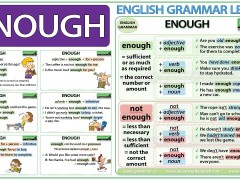
adjective [原级] 充足的,足够的
They had enough cash for a one-way ticket. 他们有足够的现金买一张单程票。
pronoun [指示代词] 足够,充分
If you say that something is enough, you mean that you do not want it to continue any longer or get any worse. 够了
noun [抽象名词] 足够的(数目或数量),充分
Would you shut up, please! I'm having enough trouble with these children! 请住口!我和这帮孩子之间的麻烦已经够多了。
interjection [高兴] 够了,别再说了
Ann had heard enough of this. 安这种话已经听够了。
与 “enough” 相关联的词汇
extra
/ˈekstrə/adjective [原级] 额外的;另外收费的
If something is extra, you have to pay more money for it in addition to what you are already paying for something. (费用) 另计的
noun [抽象名词] 另收费的事物;临时演员
Extras are additional amounts of money that are added to the price that you have to pay for something. 额外费用
adverb [方式副词] 额外;特别,格外
You can use extra in front of adjectives and adverbs to emphasize the quality that they are describing. 格外地 • I said you'd have to be extra careful. 我说过你必须格外小心。

与 “extra” 相关联的词汇
fail
/feɪl/verb [vi. 不及物动词] 失败;未能做到,未能做;辜负,使失望;不及格,未能通过;出故障,失灵;衰弱,衰退;破产,倒闭;歉收;不下雨,下雨少;忘记
If an activity, attempt, or plan fails, it is not successful. 失败 • We tried to develop plans for them to get along, which all failed miserably. 我们设法制定出让他们相处融洽的计划,但都惨败了。
noun [抽象名词] 不及格;<非正式>过失,失败
It's the difference between a pass and a fail. 这是及格和不及格的区别。

与 “fail” 相关联的词汇
failure
🇬🇧/ˈfeɪljə(r)/ 🇺🇸/ˈfeɪljər/noun [抽象名词] 失败;失败的人(或企业、事物);未做到;缺乏,不足;故障,衰退;公司倒闭;歉收;突然失去
Your failure to do a particular thing is the fact that you do not do it, even though you were expected to do it. 未成

与 “failure” 相关联的词汇
answer
🇬🇧/ˈɑːnsə(r)/ 🇺🇸/ˈænsər/verb [vi. 不及物动词] 回答,答复;回复;接电话;应门;答(题);回应,反击;满足,适合;与…相符,相配;解决(问题)
If you answer a letter or advertisement, you write to the person who wrote it. 回复 Did he answer your letter? 他回复你的信了吗?
noun [抽象名词] 回答,答复;答案;解决办法;回信,回函;接听,应门;相当的人,对应物
An answer is something that you say when you answer someone. 回答 Without waiting for an answer, he turned and went in through the door. 他没有等候应答,转身进了门。

与 “answer” 相关联的词汇
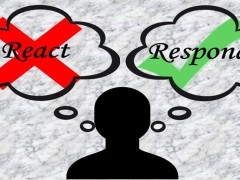
respond
🇬🇧/rɪˈspɒnd/ 🇺🇸/rɪˈspɑːnd/verb [vt. 及物动词] (口头或书面)回答,回应;作出反应,回应;(对某种治疗)有良好反应;(桥牌)(对同伴的叫牌)作应叫;(会众对牧师)应答,唱和;承担责任
When you respond to a need, crisis, or challenge, you take the necessary or appropriate action. 应对 They are likely to respond positively to the president's request for aid. 他们有可能积极地回应该总统的援助请求。
noun [抽象名词] (教堂用语)应答,唱和;(建筑)壁联(与墙相连支承拱的半柱或半墩,尤指在拱廊两端)
The world community has been slow to respond to the crisis. 国际社会对该危机的反应向来迟缓。
与 “respond” 相关联的词汇
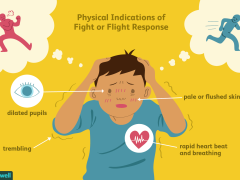
response
🇬🇧/rɪˈspɒns/ 🇺🇸/rɪˈspɑːns/noun [抽象名词] 反应,响应;(口头或书面的)回复,答复;(考试题的)答案;(教堂中人们对牧师所说的话作出的)唱和,应答
There has been no response to his remarks from the government. 政府方面对他的评论一直没有反应。
与 “response” 相关联的词汇
mark
🇬🇧/mɑːk/ 🇺🇸/mɑːrk/noun [具体名词] (品质或情感的)标志,迹象;符号,记号;痕迹,污点;分数;重要关口,水平;印记,特征;(Mark)型号;(Mark)画押;目标,靶子;评价;马克(德国货币单位,合100芬尼);(比赛的)起点;<美,非正式>容易受骗的人,容易被利用的人;(航海)(用于标明测深绳深度的)测标;(电信)传号
A mark is a written or printed symbol, for example a letter of the alphabet. 记号
verb [vt. 及物动词] 做记号,做标记;(给学生或功课)打分,评分;留下痕迹,使有污点;标明方位,标示;纪念,庆贺;标志(重要事件或时刻);(特征,特点)标志,表明区别;注意,留心
If something marks a surface, or if the surface marks, the surface is damaged by marks or a mark. 玷污; 留下污痕
与 “mark” 相关联的词汇
score
🇬🇧/skɔː(r)/ 🇺🇸/skɔːr/noun [抽象名词] (游戏或比赛中的)得分,比分;(测验的)评分,分数;<非正式>实情,真相(the score);<非正式>毒品到手;<非正式>犯罪所得;<正式>二十,约二十个(复数 score);<正式>很多,大量
The U.S. Open golf tournament was won by Ben Hogan, with a score of 287. 美国高尔夫球公开赛由本·霍根以287分夺冠。
verb [vi. 不及物动词] 在运动、比赛或考试中)得(分);评分,打分数;(在游戏或比赛中)记分;(棒球)使(队友)得分;<非正式>(使)成功,赢得;<英,非正式> (尤指在辩论等活动中机灵地)驳倒,挫败(score off)
Patten scored his second touchdown of the game. 帕顿在比赛中第2次持球触地得分。

与 “score” 相关联的词汇
rest
/rest/verb [vi. 不及物动词] 休息,歇息;使(运动员)暂时离队; (问题,事情)被搁置;(被)支撑,(使)倚靠;安息,长眠;在于,存放于;(目光)停留(rest on);依靠,仰仗(rest on/upon);寄(希望)于,相信;让(土地)休耕;(原告或被告)完成向法庭提出证据(或辩论);保持不变;<英>(演员)无戏可演
If you rest or if you rest your body, you do not do anything active for a time. 休息
noun [抽象名词] 休息(时间);剩余部分,余下的人(物)(the rest);静止,停止;(音乐的)休止,休止符;(演说或诗句的)停顿;撑架,支座;(剖)(器官或组织的)一小碎块;(网球)对打,回合
A rest is an object that is used to support something, especially your head, arms, or feet. 支架

与 “rest” 相关联的词汇
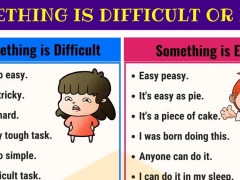
adjective [原级] 困难的,费力的;不友好的,难对付的
The lack of childcare provisions made it difficult for single mothers to get jobs. 儿童保育服务的缺乏使得单身妈妈们很难找到工作。
与 “difficult” 相关联的词汇
hate
/heɪt/verb [vi. 不及物动词] 厌恶,不喜欢;仇恨,憎恨;(表示不愿说某事,或客气地请求)不愿,不想
Most people hate him, but they don't dare to say so, because he still rules the country. 大部分人都恨他只是不敢说出来,因为他仍统治着国家。
noun [抽象名词] 憎恶,憎恨;<非正式> 所憎恶的人(或事物);<非正式>所憎恶的人(或事物)
I was 17 and filled with a lot of hate. 我那时17岁,满腔仇恨。

与 “hate” 相关联的词汇
low
🇬🇧/ləʊ/ 🇺🇸/loʊ/adjective [原级] 低的,矮的;在底部的;领口开得低的;(纬度)低的,近赤道的;低于通常(或平均)数量(或水平、价值)的;(声、热或光)低的,暗的;(地位、阶层上)低微的,低等的;消沉的,精神不振的
If something is low, it is close to the ground, to sea level, or to the bottom of something. 接近地面的; 接近海平面的; 接近底部的
adverb [程度副词] 在(或向)低位置;低于通常(或期望)的水平;低声地,小声地
If something is low, it is close to the ground, to sea level, or to the bottom of something. 接近地面的; 接近海平面的; 接近底部的
noun [抽象名词] 低点;(人生的)低谷;低气压区
If something reaches a low of a particular amount or degree, that is the smallest it has ever been. 最低点
verb [vi. 不及物动词] (牛)哞哞叫
the sound uttered by cattle; moo 牛叫声

与 “low” 相关联的词汇
cheer
🇬🇧/tʃɪə(r)/ 🇺🇸/tʃɪr/noun [抽象名词] 欢呼声,喝彩声;加油口号,加油歌;欢快,愉快的情绪
I think he misses her terribly. You might cheer him up. 我觉得他太想念她了。你也许能使他振作起来。
verb [vi. 不及物动词] 欢呼,喝彩;鼓励,鼓舞
Let's cheer for the athletes. 让我们为运动员们加油助威吧。

与 “cheer” 相关联的词汇
noun [专属名词] <非正式>男人,家伙;<美,非正式>伙计们,兄弟(或姐妹)们;<英>盖伊模拟像;(帐篷或杆柱的)固定拉绳,牵索
He's no rube. He's a very smart guy. 他可不是个笨蛋。他是个非常聪明的人。
verb [vi. 不及物动词] 嘲笑,戏弄;用支索稳定(加固)
He thought Mick was a really neat guy. 他认为米克是个非常不错的家伙。

与 “guy” 相关联的词汇
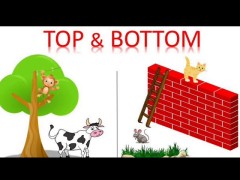
noun [具体名词] 顶部,顶端,上端;上层表面;最高的级别,最重要的职位;(街道等的)尽头,远端;(容器的)盖子;上衣,上装;(根菜作物的)茎叶;陀螺;<非正式>特别好的人(或事)(tops);<英>(车辆的)最高速挡;<英>(用于款额后)最高额(tops);<印>耳环,耳饰;开始,开端;(一局棒球比赛的)前半局
We started from the bottom and we had to work our way up to the top. 我们从最底层做起,必须奋斗到最高层。
adjective [原级] 顶端的,顶部的,最上面的;(地位、程度或重要性)最高的;<英,非正式>很好的,顶呱呱的;<英>(距说话者、参照点)最远的
He was the top student in physics. 他是物理学尖子生。
verb [vi. 不及物动词] 高于,超过(某一数量);高过;优于,胜过;居…之首,为…之冠;覆盖,放在…的上面;到达山顶,达到顶端;<英,非正式>杀;切除顶部;(作为主要表演者,受关注者而)出场,露面;(高尔夫)误击(球上部)
It was the first time in years that a Japanese manufacturer had not topped the list for imported vehicles. 这是多年来日本厂商第一次未能位居进口汽车名单榜首。
与 “top” 相关联的词汇
clever
🇬🇧/ˈklevə(r)/ 🇺🇸/ˈklevər/adjective [原级] 聪明的,机灵的;机敏的,巧妙的;诙谐的;熟练的,灵巧的;耍小聪明的,滑头的;真聪明(用于讽刺某人做的蠢事);<英,非正式>健壮的,健康的
'You are clever,' she gushed. “你好聪明。”她夸张地称赞说。

与 “clever” 相关联的词汇
adjective [原级] 聪明的,明智的;(人)衣着得体的;整洁而漂亮的,光鲜的;耍小聪明的,不恭的;时髦的,高档的;迅速有力的,迅猛的;智能的
He thinks he's smarter than Sarah is. 他认为他比萨拉更聪明。
verb [vi. 不及物动词] (身体部位)感到刺痛;(因批评、失败等)难过,烦恼
My eyes smarted from the smoke. 我的双眼被烟熏得刺痛。
noun [抽象名词] 剧痛,刺痛;痛苦,苦恼;<美,非正式>聪明,敏锐(smarts)
She mixes with the smart set. 她跟那帮时髦人物交往。
adverb [程度副词] 机敏地,整洁地,潇洒地
He dressed very smartly, which was important in those days. 他穿得非常整洁,这在当时很重要。

与 “smart” 相关联的词汇
intelligent
🇬🇧/ɪnˈtelɪdʒənt/ 🇺🇸/ɪnˈtelɪdʒənt/adjective [原级] 聪明的;有智力的;智能的
Something that is intelligent can think and understand instead of doing things automatically or by instinct. 有智能的

与 “intelligent” 相关联的词汇
stupid
🇬🇧/ˈstjuːpɪd/ 🇺🇸/ˈstuːpɪd/adjective [原级] 笨的,傻的,脑子不好使的;欠考虑的,糊涂的;(用以加强语气)讨厌的,恼人的,无聊的;(因醉、累等)不省人事的,神思恍惚的
He'll manage—he isn't stupid. 他可以的—他不笨。
noun [专属名词] 傻瓜,笨蛋
I'm not stupid, you know. 你要知道,我不是傻子。

与 “stupid” 相关联的词汇
foolish
/ˈfuːlɪʃ/adjective [原级] 愚蠢的,傻的;(因做傻事而)困窘的,难堪的
How foolish I am to entertain doubts. 我心存疑虑是多么愚蠢啊。
与 “foolish” 相关联的词汇
fool
/fuːl/noun [专属名词] 傻瓜,笨蛋;<美,非正式>(对某物)有癖好的人,…迷;(旧时宫廷里的)弄臣,小丑;<英>奶油果子泥; 傻瓜,笨蛋
Oh you fool! You've blown it! 傻瓜!你把它搞砸了!
verb [vi. 不及物动词] 开玩笑,戏谑;愚弄,欺骗;瞎弄,瞎折腾(fool with)
You made me look a complete fool! 你弄得我像个十足的个傻瓜!
adjective [原级] <美,非正式>愚蠢的,傻的;愚蠢的,傻的
Art dealers fool a lot of people. 艺术品经销商会愚弄许多人。

与 “fool” 相关联的词汇
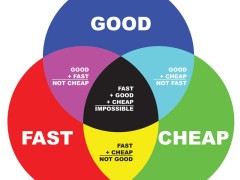
adjective [原级] 便宜的,廉价的;价低质劣的;小气的,吝啬的;卑劣的,可耻的;无足轻重的;简单的,容易获取的
I'm going to live off campus if I can find somewhere cheap enough. 如果我能找到一个足够便宜的地方,我打算住在校外。
adverb [程度副词] 低价地,便宜地
It will produce electricity more cheaply than a nuclear plant. 它将以比核电厂更低廉的成本生产电力。
与 “cheap” 相关联的词汇
adjective [原级] 花钱多的,昂贵的;(错误或决定)代价高的
Food was scarce and expensive. 食物匮乏而且昂贵。

与 “expensive” 相关联的词汇
inexpensive
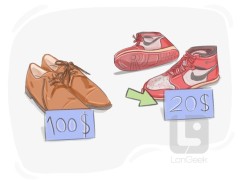
🇬🇧/ˌɪnɪkˈspensɪv/ 🇺🇸/ˌɪnɪkˈspensɪv/adjective [原级] 便宜的
There is a large variety of good, inexpensive restaurants. 有多种物美价廉的餐馆。
与 “inexpensive” 相关联的词汇
adjective [原级] 新的,不同的;新近的,新近体验的;新颖的,独创的;新鲜的;清新的,清爽的;精神饱满的,精力充沛的;(水)淡的,无盐的;(风)凉爽的,强劲的;刚从…来的,刚经历过…的
He asked the police, who carried out the original investigation, to make fresh inquiries. 他要求原先进行调查的警方做一轮新的调查。
adverb [程度副词] 刚刚,新近地
We sell only fresh local produce. 我们只售当地的新鲜农产品。

与 “fresh” 相关联的词汇
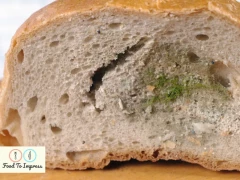
adjective [原级] (食物)不新鲜的,变味的;气味不清新的,难闻的;没有新意的,老掉牙的;(因长期从事同一工作而)疲沓的,厌倦的;(支票,合法要求)(因过期而)失效的
. If you eat stale bread, your hair will curl. 如果你吃了发霉的面包,你的头发就会变卷。
verb [vt. 及物动词] (使)不新鲜,(使)走味,(使)陈旧;(动物,尤指马)撒尿
Their marriage had gone stale. 他们的婚姻已了无热情。
noun [专属名词] 尿
The emergency room reeks of stale urine. 急诊室里弥漫着一股陈旧尿液的气味。
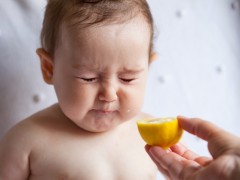
sour
🇬🇧/ˈsaʊə(r)/ 🇺🇸/ˈsaʊər/adjective [原级] 酸的,酸味的;(牛奶等)馊(味)的,酸臭的;不友善的,脾气坏的;(关系、计划等变得)坏的,令人不快的;(土壤)缺少石灰质的,酸性过重的;(石油,天然气)含硫量较高的
The stewed apple was sour even with honey. 炖过的苹果即使加了蜂蜜也还是酸的。
verb [vi. 不及物动词] (使)(关系、情况)变糟,变坏;(使)变酸,(使)酸腐;使喜悦减少
If anything sours the relationship, it is likely to be real differences in their world-views. 假如有什么事情使关系恶化的话,那可能就是他们在世界观方面所存在的实质性差异。
noun [抽象名词] 有酸味的酒精饮料;酸味;苦事
The heat turned the milk sour. 炎热的天气使得牛奶变酸了。
与 “sour” 相关联的词汇
loud
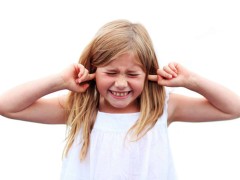
/laʊd/adjective [原级] 大声的,响亮的;(人或举止)吵闹的,聒噪的;大声疾呼的,坚定的;(衣服)花哨的
Suddenly there was a loud bang. 突然砰地一声响。
adverb [程度副词] 大声地,响亮地
She wonders whether Paul's hearing is OK because he turns the television up very loud. 她怀疑保罗的听力有问题,因为他把电视机的音量调得很大。
与 “loud” 相关联的词汇
high
/haɪ/adjective [原级] 高的;富含…的;重要的;先进的,高级的;崇高的;高音的,声音尖锐的;兴高采烈的;喝醉了的,(吸毒后)极度兴奋的;十分赞同的,非常尊敬的;中间的,全盛的;开始变质的,开始发馊的;(宗教或政治观点)极端的,偏激的;(元音)舌位高的
You use high to talk or ask about how much something upright measures from the bottom to the top. 高度为…的
noun [抽象名词] 最高水平,最大数量;兴奋,高兴;高气压区;(毒品引致的)快感;高中,中学;强档;高音,高音符
If something reaches a high of a particular amount or degree, that is the greatest it has ever been. 最高点

与 “high” 相关联的词汇
hard
🇬🇧/hɑːd/ 🇺🇸/hɑːrd/adjective [原级] 硬的,坚固的;困难的;猛烈的,用力的;困苦的,艰苦的;努力的;冷酷的,心肠硬的;严厉的,苛刻的;(政党内部派别)极端的,固执己见的;(季节,天气)严酷的,凛冽的;(水)硬的;坚强的,勇敢的;刺目的,令人不快的;确凿的,可靠的;(学科)实证的;硬(科幻)的;酒精含量高的,烈性的;(尤指葡萄酒因含有单宁酸而)苦涩的;(毒品)毒性强的,易上瘾的;(辐射)穿透力强的
Something that is hard is very difficult to do or deal with. 困难的
adverb [方式副词] 努力地,费力地;用力地,猛烈地;仔细地,认真地;沉重地,大量地;变硬;在最大程度上
If you work hard doing something, you are very active or work intensely, with a lot of effort. 努力地

与 “hard” 相关联的词汇
adjective [原级] 含糖的,甜的;<美> 未加盐的,淡的;芳香的,芬芳的;清新的,纯净的,新鲜的;(声音)甜美的,悦耳的,动听的;<美>(音乐,尤指爵士乐)甜派风格的;惹人喜爱的,可爱的;亲爱的;温和的,和蔼的,善良的;愉快的,惬意的,令人满意的;<非正式> (用于表示同意,赞成)好的;容易操纵的,运转平稳的;丝毫的,一丁点儿的
If the sauce seems too sweet, add a dash of red wine vinegar. 如果酱太甜,就加少许红酒醋。
noun [抽象名词] <英>糖果;甜食;<英>餐后甜点;<旧>(亲昵的称呼)宝贝儿,亲爱的;快乐,乐趣(sweets);芳香
Florida oranges have a natural sweetness. 佛罗里达柑桔有一种天然的甜味。

与 “sweet” 相关联的词汇
adjective [原级] 软的,柔软的;硬度较低的,较软的;柔滑的,细嫩的;无棱角的,线条柔和的;(颜色或灯光)柔和的,不刺眼的;(声音)安静的,轻柔的;(雨、风等)温和的,不猛烈的;有同情心的,心肠软的;不严厉的,心慈手软的;轻松的,安逸的;(水)软性的;胆小的,懦弱的;虚弱的,健康欠佳的;发软音的;(毒品)非烈性的
The grass was soft and springy. 草柔软而有弹性。
adverb [程度副词] 温柔地;<美>轻轻地;无力地,愚蠢地
He had rich, soft ebony hair. 他曾有一头浓密、柔软的黑发。
noun [抽象名词] 柔性;柔软的东西;柔软部分
Pat it dry with a soft towel. 用柔软的毛巾将它轻轻拍干。

与 “soft” 相关联的词汇
salt
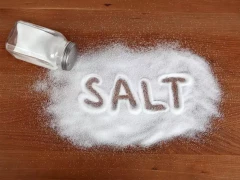
/sɔːlt/noun [物质名词] 盐,食盐(=common salt);(化学)盐;盐状物(用于某种特殊目的的物质或药品)(salts);<文>风趣,刺激性;<非正式>有经验的水手,老水手(old salt)
Salt dissolves in water. 盐溶于水。
verb [vi. 不及物动词] 给(食物)加盐调味;用盐腌制(食物)(=salt down);(为融化雪或冰)撒盐于(道路)上;给…增添刺激,使…更有趣;<非正式>使(矿区、矿山)呈虚假的富矿状
Salt water is more buoyant than fresh water. 盐水比淡水浮力大。
adjective [原级] 含盐的,咸的;用盐腌制的;(植物)海生的,生长于盐沼的;<旧>猥亵的
The salt crystallizes as the water evaporates. 随着水分的蒸发,盐便结晶形成了。
与 “salt” 相关联的词汇
paper
🇬🇧/ˈpeɪpə/ 🇺🇸/ˈpeɪpər/noun [物质名词] 纸;报纸;(工作、学习或个人的)资料,文件(papers);证明,证件(如护照、身份证等)(papers);政府报告,官方政策文件;<英>考试,答卷;(研究)论文,(学术)讲话;<美>(学校课程的)学期论文;墙纸,壁纸;有价证券;手纸,卫生纸;<俚>(剧院等娱乐场所的)免费入场券
He folded the paper carefully. 他小心地把那张纸折起来。
verb [vi. 不及物动词] 用墙纸裱糊(墙壁);用墙纸覆盖(洞,污点)(paper sth. over);掩盖(尴尬问题)(paper sth. over);<俚>发免费入场券使(剧院)满座
The review is in today's paper. 这篇评论刊登在今天的报纸上。
adjective [原级] 纸做的,纸质的;书面的,印刷的;纸上的,有名无实的
I might get a paper in the town. 我可能会在镇上收到一份报纸。