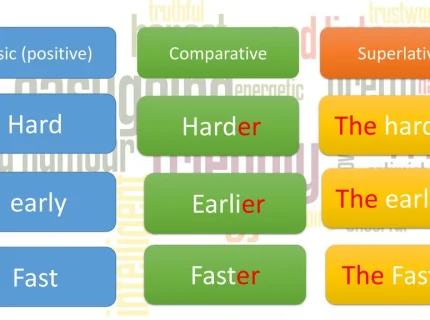
assume
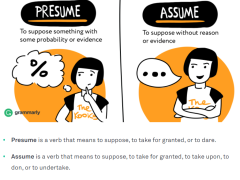
🇬🇧/əˈsjuːm/ 🇺🇸/əˈsuːm/verb [vt. 及物动词] 假定,假设,认为;装出,做出;承担,就职;呈现,具有;夺取,篡夺
We were wrong to assume she'd agree. 我们错误地以为她会同意。
与 “assume” 相关联的词汇
express
/ɪkˈspres/verb [vt. 及物动词] 表达,表露;表现,体现;(用数学方法)表示;压榨,挤压出(空气或液体);特快发运
If an idea or feeling expresses itself in some way, it can be clearly seen in someone's actions or in its effects on a situation. (想法、情感) 流露; 呈现
noun [抽象名词] 快车;快递;初速大的猎枪;专使;捷运公司
An express or an express train is a fast train that stops at very few stations. 快速列车
adjective [原级] 快递的,特快的;明确的;特意的
If you refer to an express intention or purpose, you are emphasizing that it is a deliberate and specific one that you have before you do something. 特定的 (意图、目的)
adverb [方式副词] 用快递寄送
He has expressly forbidden her to go out on her own. 他已明确禁止她独自外出。

与 “express” 相关联的词汇
silly
🇬🇧/ˈsɪli/ 🇺🇸/ˈsɪli/adjective [原级] 愚蠢的,傻的;嬉笑滑稽的;失去理智的;微不足道的,不实用的;(板球)(防守位置)靠近击球手的
My best friend tells me that I am silly to be upset about this. 我最好的朋友说我为此事心烦太傻了。
noun [具体名词] <非正式>傻瓜,笨蛋(尤指儿童)
I'm fed up with your silly questions. 我对你这些愚蠢的问题厌烦了。
adverb [程度副词] 极度地
They're getting awfully weary of this silly war. 他们对这场愚蠢的战争感到极其厌倦。

与 “silly” 相关联的词汇
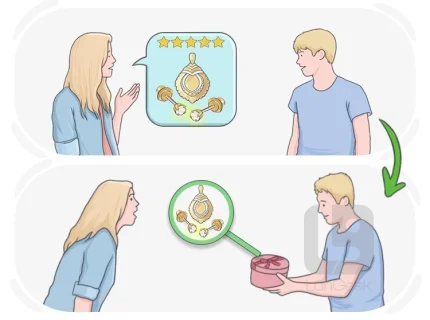
noun [抽象名词] 暗示,提示;征兆,迹象;少许,少量;秘诀,窍门
I'd dropped a hint about having an exhibition of his work up here. 我暗示要在这里举办一次他的作品展。
verb [vt. 及物动词] 暗示,示意
She hinted at the possibility of a treat of some sort. 她暗示可以找找乐子什么的。
noun [专属名词] 【名】 (Hint)(英)欣特,(法)安特(人名)
Here are some helpful hints to make your journey easier. 这里是一些有用的建议,可以使你的旅途更舒适。
与 “hint” 相关联的词汇
figure out
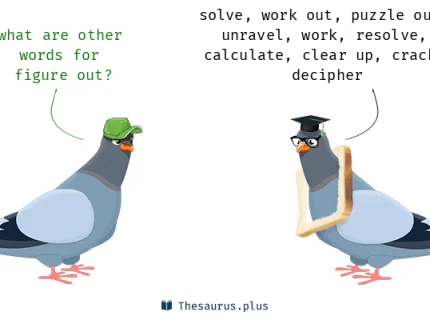
/ˈfɪɡə(r) aʊt/verb [vt. 及物动词] 弄清楚,弄明白:指通过思考、研究等方式来理解或解决问题。
I need to figure out how to fix this computer. 我需要弄清楚如何修理这台电脑。
verb [vt. 及物动词] 找到答案,解决:指通过努力、思考等方式找到答案或解决问题。
He finally figured out the solution to the puzzle. 他终于找到了这个谜题的解决办法。
与 “figure out” 相关联的词汇
rearrange
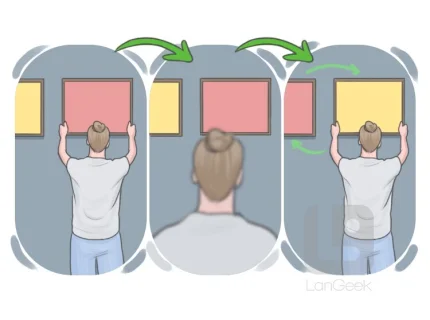
/ˌriːəˈreɪndʒ/verb [vt. 及物动词] 重新整理,重新布置;改变(位置,时间,顺序)
When she returned, she found Malcolm had rearranged all her furniture. 她回来时发现马尔科姆重新摆放了她所有的家具。
与 “rearrange” 相关联的词汇
proposal
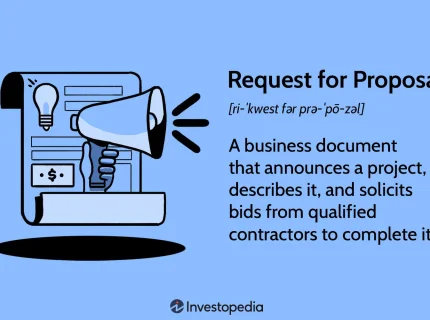
🇬🇧/prəˈpəʊz(ə)l/ 🇺🇸/prəˈpoʊz(ə)l/noun [抽象名词] 提议,建议;提案;(计划、建议等的)提出;求婚
The president is to put forward new proposals for resolving the country's constitutional crisis. 总统将提出解决国家宪法危机的新议案。
与 “proposal” 相关联的词汇
earlier
🇬🇧/ˈɜ:lɪə(r)/ 🇺🇸/ˈɜːrliər/adverb [时间副词] 早些时候地
As mentioned earlier, the university supplements this information with an interview. 正如早些时候提到的,该大学用一次采访来补充这个资料。
adjective [比较级] 早些时候的
Earlier reports of gunshots have not been substantiated. 早先关于枪击的报道还没有被证实。