Columbia
/kəˈlʌmbiə/noun [专属名词] 哥伦比亚
Columbia is set to blast off at 1:20 a.m. Eastern Time tomorrow. 哥伦比亚号定于东部时间明晨1:20点火起飞。

与 “Columbia” 相关联的词汇
figure
🇬🇧/ˈfɪɡə(r)/ 🇺🇸/ˈfɪɡjər/noun [具体名词] 数字,数目,数值;数字符号,位数;身材,体型;(远处的)人影;(重要的)人物;(绘画或模型中)人像;(书中的)图、表;(数学)图形;价格,金额
It would be very nice if we had a true figure of how many people in this country haven't got a job. 要是我们有一个确切的数字反映这个国家到底有多少人没有工作就好了。
verb [vt. 及物动词] (以重要地位)出现;<美,非正式>认为,估计;理解,弄懂;计算;用图画(或图形等)描绘,想象
She figured that both she and Ned had learned a lot from the experience. 她想她和内德都从这次经历中学到了很多。

与 “figure” 相关联的词汇
personality
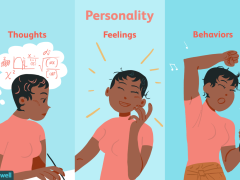
🇬🇧/ˌpɜːsəˈnæləti/ 🇺🇸/ˌpɜːrsəˈnæləti/noun [具体名词] 个性,性格;魅力,品格(如活力、友好、幽默等);(地方或事物的)特色;有突出个性的人;名人
If someone has personality or is a personality, they have a strong and lively character. (坚强、活泼的) 个性 ...a woman of great personality. …一个很有个性的女人。
与 “personality” 相关联的词汇
NYU
/en waɪ juː/noun [专属名词] abbr. 纽约大学(New York University)
As a journalist, I have competed against NYU, Columbia, and Northeastern graduates for jobs. 作为一名记者,我曾与纽约大学、哥伦比亚大学和东北大学的毕业生竞争工作机会。

与 “NYU” 相关联的词汇
indecision
/ˌɪndɪˈsɪʒn/noun [抽象名词] 优柔寡断;犹豫不决
After months of indecision, the government gave the plan the go-ahead on Monday. 经过几个月的犹豫不决,政府在周一批准了这项计划。

与 “indecision” 相关联的词汇
newspaperman
🇬🇧/ˈnjuːzpeɪpəmæn/ 🇺🇸/ˈnuːzpeɪpərmæn/noun [专属名词] 新闻记者;新闻工作者
I've been a newspaperman all my adult life. 我成年后一直从事新闻记者工作。

与 “newspaperman” 相关联的词汇
lately
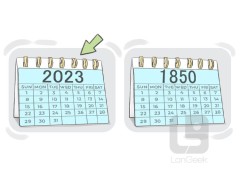
/ˈleɪtli/adverb [时间副词] 近来,最近;新近卸任,最近离任
"Have you talked to her lately?"—"Not lately, really." “ 最近你和她谈过吗?”—“最近没谈过,真的。”
与 “lately” 相关联的词汇
discuss
/dɪˈskʌs/verb [vt. 及物动词] 讨论,辩论;详述,论述
If you discuss something, you write or talk about it in detail. 详述 • I will discuss the role of diet in cancer prevention in Chapter 7. 我将在第7章详述饮食在癌症预防中的作用。

与 “discuss” 相关联的词汇
tuition
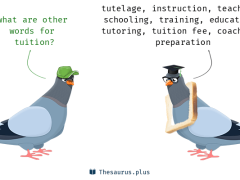
🇬🇧/tjuˈɪʃ(ə)n/ 🇺🇸/tuˈɪʃ(ə)n/noun [抽象名词] (尤指对个人或小组的)教学,指导;(尤指学院、大学或私立学校的)学费
I'll have to cough up $10,000 a year for tuition. 我将必须勉强支付每年$10000的学费。
与 “tuition” 相关联的词汇
complicated
🇬🇧/ˈkɒmplɪkeɪtɪd/ 🇺🇸/ˈkɑːmplɪkeɪtɪd/adjective [原级] 复杂的,难处理的
The situation in Lebanon is very complicated. 黎巴嫩的形势非常复杂。
verb [vt. 及物动词] 使复杂化,使难以理解;引起并发症(complicate 的过去式和过去分词形式)
The instructions look very complicated. 这说明书看起来很难懂。

与 “complicated” 相关联的词汇
adjective [原级] 公认的,为公众所接受的
There is no generally accepted definition of life. 没有一个对生活的普遍公认的定义。

与 “accepted” 相关联的词汇
adjective [原级] 钦佩的,印象深刻的
Billy Sullivan impressed me as a commendable person. 比利·沙利文给我留下了值得称赞的印象。
verb [vt. 及物动词] 使钦佩,使留下深刻印象;使意识到(重要性或严重性等);使铭记(impress 的过去式和过去分词)
The British public remains unaware of this transformation, as it hasn't been sufficiently impressed upon them. 英国公众仍然没有意识到这一转变,因为它还没有充分影响他们。
与 “impressed” 相关联的词汇
surprising
🇬🇧/səˈpraɪzɪŋ/ 🇺🇸/sərˈpraɪzɪŋ/adjective [原级] 令人惊讶的,出人意料的
It is not surprising that children learn to read at different rates. 孩子们以不同速度识字,这并不令人惊讶。
verb [vi. 不及物动词] 使(某人)吃惊;意外发现,当场抓获,突然袭击;给…惊喜,使喜出望外(surprise 的现在分词)
It's not surprising (that) they lost. 他们吃了败仗,不奇怪。

与 “surprising” 相关联的词汇
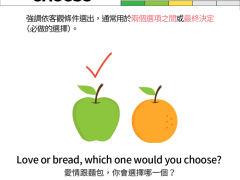
choose
/tʃuːz/verb [vt. 及物动词] 选择,挑选;情愿,决定
If you choose to do something, you do it because you want to or because you feel that it is right. 情愿; 觉得应该 (做某事)