pressure
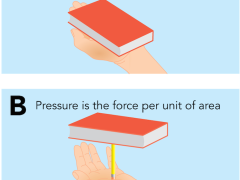
🇬🇧/ˈpreʃə(r)/ 🇺🇸/ˈpreʃər/noun [抽象名词] 压力,挤压;(气体或液体形成的)压力,压强;心理压力,紧张;催促,要求;气压
She kicked at the door with her foot, and the pressure was enough to open it. 她用脚踢门,其产生的压力足以把门打开。
verb [vt. 及物动词] 对…施加压力,强迫;使…增压
He will never pressure you to get married. 他永远也不会给你施加压力让你结婚。
与 “pressure” 相关联的词汇
physical
/ˈfɪzɪk(ə)l/adjective [原级] 身体的,肉体的;物质的,有形的;外形的,外在的;物理的,物理学的;根据自然规律的,符合自然法则的;粗暴的,粗野的;性欲的,肉欲的;(人)喜欢动手动脚的;肢体活动的
Physical things are real things that can be touched and seen, rather than ideas or spoken words. 实物的; 有形的 • Physical and ideological barriers had come down in Eastern Europe.
noun [抽象名词] 体格检查;(股票)(与期货相对的)现货股票
A physical is a medical examination by your doctor to make sure that there is nothing wrong with your health. 体格检查
与 “physical” 相关联的词汇
noun [专属名词] 膝盖,膝关节;(裤子的)膝部;(坐下时)大腿朝上的面;膝盖的猛击;(木船上的)肘板,肘材;曲线图的弯曲处,拐点
He will receive physical therapy on his damaged left knee. 他受损的左膝将接受理疗。
verb [vt. 及物动词] 用膝盖顶(撞)
Ian kneed him in the groin. 伊恩用膝盖撞击他的腹股沟。
noun [专属名词] 【名】 (Knee)(英)尼(人名)
Knee fell and scraped his knee. 尼摔了一跤,把膝盖蹭破了。

与 “knee” 相关联的词汇
living
/ˈlɪvɪŋ/adjective [原级] 活着的,活的;在使用的,在实施的;居住的,起居的;<文>(水)流淌不息的;活跃的;逼真的
She believes in living life to the max. 她坚信要尽情享受生活。
noun [抽象名词] 生计,收入;生活方式;活着的人(the living);教区牧师的圣职(圣俸)
They have an au pair living in. 他们有一位寄宿家庭成员住在那里。
verb [vi. 不及物动词] 居住;生活;生长;继续存在(live 的现在分词形式)
Where are you living now? 你现在住在哪里?

与 “living” 相关联的词汇
scene
/siːn/noun [专属名词] 事发地,现场;事件,场面;(戏剧、书、电影等的)片段,情节;(戏剧的)一场;(戏剧)布景;活动领域,圈子;(某地方或图画中的)景色,景象;(当众)发脾气,吵闹;<非正式>同性恋者常去的社交场所
You refer to a place as a scene when you are describing its appearance and indicating what impression it makes on you. 景象

与 “scene” 相关联的词汇
events
/ɪˈvents/noun [具体名词] 事件;公开活动,社交场合;比赛项目(event 的复数)
I don't accept his version of events. 我不相信他对事件的说法。

与 “events” 相关联的词汇
exercising
/ˈɛksəˌsaɪz/noun [抽象名词] 行使;锻炼;运动健身
Exercising alone can be boring. 独自一个人锻炼可能会很无聊。
verb [vt. 及物动词] 运动;运用(exercise 的 ing 形式);练习
We are eating more and exercising less. 我们吃得更多,锻炼得却更少。

与 “exercising” 相关联的词汇
advertising
🇬🇧/ˈædvətaɪzɪŋ/ 🇺🇸/ˈædvərtaɪzɪŋ/noun [抽象名词] 广告活动,广告业;(总称)广告
I work in advertising. 我在广告业工作。
verb [vi. 不及物动词] 登广告;公布,征聘;宣扬(advertise 的现在分词形式)
Cigarette advertising has been banned. 香烟广告已遭禁止。

与 “advertising” 相关联的词汇
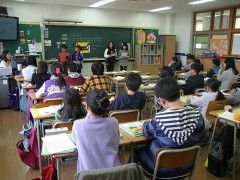
noun [具体名词] 班级;(一节)课,上课时间;(某一科目的)课程;阶级,阶层;等级划分,等级制度;(货物、服务或人的)等级,类别;(飞机、火车等的)舱位等级,车厢等级;品味;同届毕业生;<英>(英国大学的)学位等级;(生物)(植物或动物分类的)纲;(比赛的)组别
He had to spend about six months in a class with younger students. 他不得不在一个比他小的学生的班上呆了大约六个月。
verb [vt. 及物动词] 把…归类,把…看作;把…编入某一班级;属于…类(或等级),被列为某类(或某级)
Since they can and do successfully inter-breed, they cannot be classed as different species. 既然它们能够而且确实可以成功杂交繁殖,它们就不能被归为不同的物种。
adjective [原级] <非正式>优秀的,出色的
Kite undoubtedly demonstrates exceptional class as a performer. 凯特作为表演者无疑展现了非凡的卓越水准。
与 “class” 相关联的词汇
stretch
/stretʃ/verb [vt. 及物动词] (使)变大,拉长;(布料)可伸缩,有弹性;伸展肢体;伸出,伸长(胳膊或腿);拉紧,拽紧;(时间上)延续;(空间上)延伸,绵延;使竭尽所能,使施展本领;耗尽,竭尽(财力或物力);(使)延长使用,节俭地使用;(资金,资源)足够,够用;放宽,放松;夸大,夸张;涉及,囊括
If something stretches from one time to another, it begins at the first time and ends at the second, which is longer than expected. 持续
noun [抽象名词] (土地或水域的)一片,一段;(时间)连续的一段,持续;(肢体)伸展,伸开;弹性,伸缩性;服刑期;(终点前的)直线跑道;言过其实的话;困难的任务,苛求的任务;<非正式>加长轿车;抢风航行的距离
A stretch of road, water, or land is a length or area of it. 一段• It's a very dangerous stretch of road. 这是一段非常危险的路。

与 “stretch” 相关联的词汇
switch
/swɪtʃ/noun [专属名词] 开关,电闸;骤变,突变;交换机;(计算机)切换;<美> (铁路的)转辙器,道岔;(细软的)枝条,鞭子;假发;(在英国使用借记卡付账的一种)转换系统(Switch)
Leona put some detergent into the dishwasher, shut the door, and pressed the switch. 利昂娜在洗碗机里放了些清洁剂,关上门,然后按下开关。
verb [vt. 及物动词] (用开关)打开,关闭;(使)改变,转变;交换,调换;转移(注意力);(与某人)交换工作,调班;<古> 用枝条击打,轻拂
The law would encourage companies to switch from coal to cleaner fuels. 法律会鼓励各公司从用煤转向使用更清洁的燃料。

与 “switch” 相关联的词汇
noun [专属名词] [天]日出(sunrise 的复数)
Sunrises and sunsets are romantic. 日出日落很浪漫。

与 “sunrises” 相关联的词汇
flat
/flæt/adjective [原级] 平的,水平的;平坦的;(水面)平静的,波澜不兴的;平滑的;平放的,平躺的,平卧的;足弓平坦的;扁平的;(鞋)平跟的,低跟的;断然的,直截了当的;(费率、价格等)统一的,固定的;(市场、价格等)疲软的,萧条的;枯燥的,无趣的,缺乏热情的;(饮品)走了气的;(轮胎)没气的,瘪的;(电池)电力不足的,没电的;平淡的,无变化的
Flat means horizontal and not upright. 水平的 • Two men near him threw themselves flat. 他旁边的两个人一下子平趴在了地上。
adverb [程度副词] 水平地;平整地;平贴着;正好;完全地,彻底地;音调偏低地
If someone sings flat or if a musical instrument is flat, their singing or the instrument is slightly lower in pitch than it should be. (演唱或乐器) 比标准音低地 He flatly refused to discuss it. 他断然拒绝讨论此事。
noun [具体名词] <英>公寓,单元房;(通常指近水的)浅滩,洼地;(某物的)平面部份;(音符的)降半音;降半音符号;<美>浅箱,浅苗床;平底鞋,低跟鞋(flats);漏气轮胎;平板列车,敞车,平台货车;平面布景,布景屏;无障碍平地赛马季节(the Flat)
You can refer to one of the broad flat surfaces of an object as the flat of that object. 平面 His mother looked ten years younger in jeans and flats. 他的母亲穿着牛仔裤和平底鞋,看上去年轻了10岁。
verb [vi. 不及物动词] 住公寓,伙住公寓;<美>(乐)把(音调)降半音
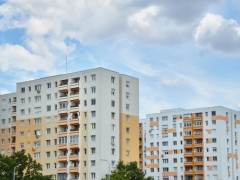
A flat is a set of rooms for living in, usually on one floor and part of a larger building. A flat usually includes a kitchen and bathroom. 公寓套房 That allegation is a flat-out lie. 那一个指控是彻底的谎言。
与 “flat” 相关联的词汇
twists
/twɪsts/noun [专属名词] [力]扭曲,一扭(twist 的复数形式)
The surprise twists in the storyline are the film's greatest strength. 故事情节的曲折离奇是这部电影的精彩之处。
verb [vt. 及物动词] [力]扭曲,拧(twist 的三单形式)
In modern times, Asia experienced twists and turns in its development. 在近代,亚洲经历了曲折和艰难的发展历程。

与 “twists” 相关联的词汇
push
/pʊʃ/verb [vt. 及物动词] 推,按;(尤指用力或努力)移动身体(或身体的一部分);挤,推搡;敦促,强迫;努力争取,力劝;(军队)挺进,奋力前行;<非正式>推销,推广;贩卖(毒品);坚持不懈地做;推进,推行;推动,促使(达到某程度或状态);再三强调;超越(极限);把(数据)移至栈的顶部;对(底片)作增感处理
The woman pushed back her chair and stood up. 那女人把椅子向后一推,站了起来。
noun [具体名词] 推 ;尝试,努力;鼓励,强迫;(军队的)挺进,猛攻 ;毅力,进取心;<非正式>棘手的事(a push);按(机器或其他装置的部件)
He gave me a sharp push. 他猛地推了我一下。

与 “push” 相关联的词汇
turn
🇬🇧/tɜːn/ 🇺🇸/tɜːrn/verb [vi. 不及物动词] 使旋转,使转动;转身,扭转(身体部位);翻动,翻转;转向,拐(弯);(路或河流)转弯;转动(某物),对准;(潮)涨落;(使)松开,释放;摺起,翻转;翻跟斗;翻动(书页);(使)(比赛)出现逆转
Turn around means the same as turn. 转身 • I felt a tapping on my shoulder and I turned around. 我感到有人拍了一下我的肩膀,于是转过身去。
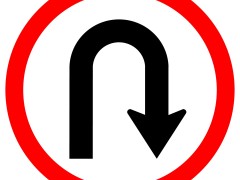
noun [专属名词] 转动,旋转;拐弯,改变方向;(道路的)转弯处,交叉处;轮到的机会;(情况的)变化,转变;短小节目;短小节目表演者;散步,转一圈;(疾病的)一阵发作,不适;(时间上的)转折点,交替时刻
If a situation or trend takes a particular kind of turn, it changes so that it starts developing in a different or opposite way. (情况的) 变化
与 “turn” 相关联的词汇
hit
/hɪt/verb [vt. 及物动词] 打,击;撞击,碰撞;击中,命中;击(球);产生不良影响,危害;攻击,袭击;达到(一个特定的水平,阶段,数字);碰到,遇到(困难、问题等);使(某人)突然意识到;使(突然)闻到,使看到;按,摁;<非正式>给(人)一剂毒品(或烈酒)
When one thing hits another, it touches it with a lot of force. 猛撞
noun [抽象名词] 打击;命中,击中;很受欢迎的人(或事物),成功;(对网站的)访问,点击;<非正式>毒品的一剂;<美,非正式>暴力犯罪,凶杀;很受欢迎的人(或事物)
First a house took a direct hit and then the rocket exploded. 首先一幢房子被直接击中,接着火箭弹爆炸了。

与 “hit” 相关联的词汇
adjective [原级] 极好的,卓越的
The recording quality is excellent. 录制质量极好。
interjection [高兴] 太好了
"Excellent!" he shouted, yelping happily at the rain. "Now we'll see how this boat really performs!" “ 太好了!”他冲着雨高兴地喊着,“这下我们可以看看这艘船真正如何表现了!”

与 “excellent” 相关联的词汇
ideal
/aɪˈdiːəl/adjective [原级] 理想的,最佳的;想象的,不切实际的
She decided that I was the ideal person to take over the job. 她认定我是接管这项工作的最佳人选。
noun [抽象名词] 理想;典范,完美典型
Walt Disney stayed true to his ideals. 沃尔特·迪斯尼坚持他的理想。
与 “ideal” 相关联的词汇
heart
🇬🇧/hɑːt/ 🇺🇸/hɑːrt/noun [专属名词] 心,心脏;内心,感情;胸前;重点,核心;中心,中央;信心,勇气;(表示爱的)心形物;红桃牌,红心牌;菜心;同情,怜悯;爱情,情爱;(土地的)肥力
Her heart raced uncontrollably. 她的心脏难以控制地急速跳动起来。
verb [vt. 及物动词] <非正式>喜爱,深爱
My heart was thumping with excitement. 我激动得心怦怦跳。

与 “heart” 相关联的词汇
condition
🇬🇧/kənˈdɪʃn/ 🇺🇸/kənˈdɪʃ(ə)n/noun [抽象名词] 状况,状态;条件,环境;疾病;条款;<旧>社会地位
The conditions under which something is done or happens are all the factors or circumstances which directly affect it. (某事完成或发生的) 条件 People are living in appalling conditions. 人们生活在极其恶劣的环境中。
verb [vt. 及物动词] 训练,使习惯于;控制,制约;护理,保养;影响;加条件于;使(人,动物)健康;(发酵后,在酵母仍存在时)使(啤酒,黑啤酒)酿熟
If someone is conditioned by their experiences or environment, they are influenced by them over a period of time so that they do certain things . 习惯于 (以某种方式做事或思考) I just feel women are conditioned into doing housework. 我只是觉得女人习惯于做家务。

与 “condition” 相关联的词汇
adverb [程度副词] 真正地,事实上;确实的,的确(用于加强语气);很,十分;(用于带有隐含的否定回答的疑问句和感叹句)真的,是吗;用于缓和否定语气
You played really brilliantly. 你的表现真是棒极了。
interjection [惊讶] 真的(用来表示兴趣、惊奇或疑惑);真是的!(用于表示生气或不赞成);是啊!(用于表示同意某人的意见)
It was a really scary moment. 那真是一个非常可怕的一刻。

与 “really” 相关联的词汇
invite
/ɪnˈvaɪt/verb [vt. 及物动词] 邀请,约请;征求,请求;引起,招致
She invited him to her 26th birthday party in New Jersey. 她邀请了他参加她在新泽西举办的26岁生日聚会。

与 “invite” 相关联的词汇
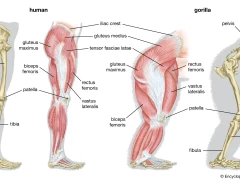
noun [专属名词] [解剖]腿(leg 的复数);木头支架
I did have rather spindly legs. 我的腿以前细长而纤弱。
与 “legs” 相关联的词汇
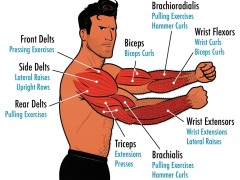
arms
🇬🇧/ɑːmz/ 🇺🇸/ɑːrmz/verb [vt. 及物动词] 武装;配备(arm 的三单形式)
She thought that if she armed herself with all the knowledge she could gather she could handle anything. 她曾以为,如果她用其所能搜集到的所有知识充实自己,她就能处理任何事。
noun [专属名词] 臂(arm 的复数);[军]武器;纹章
She stretched her arms out. 她伸开了双臂。
与 “arms” 相关联的词汇
even
/ˈiːv(ə)n/adjective [原级] 平坦的,水平的;平静的,平和的;平齐的,挨着的;无变化的,平稳的;势均力敌的,不相上下的;双数的,偶数的;平等的,公平的;不变的,恒定的;(某事发生的概率)对半的,各半的;扯平的,互不相欠的;匀称的,同样大小的;正好的,不多不少的
An even measurement or rate stays at about the same level. 保持不变的 • How important is it to have an even temperature when you're working? 工作时保持恒温有多重要?
adverb [方式副词] 甚至,即使;更加,愈加;其实,实际上
You use even with comparative adjectives and adverbs to emphasize a quality that someone or something has. (与比较级连用) 更加
verb [vt. 及物动词] 使相等,使平均;变平坦;使变平,使平整
4, 6, 8, 10 are all even numbers. 4、6、8、10 都是偶数。
与 “even” 相关联的词汇
nope
🇬🇧/nəʊp/ 🇺🇸/noʊp/adverb [疑问副词] 不是,没有;不
"Is she supposed to work today?"—"Nope, tomorrow." “她今天应该上班吗?”—“不,明天。”