garden [ˈɡɑːdn] n. 花园
【扩】gardening 园艺 gardener 园丁
【搭】in the garden 在花园里
* * *
A: Would you like to have a look at my garden?
B: Sure. It's said that you are good at gardening.
A:想参观参观我的花园吗?
B:当然。据说你很擅长园艺。
* * *
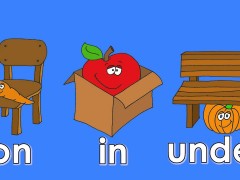
under [ˈʌndə] prep. 在……之下
【派】underwear 内衣裤
【扩】below 在……之下
【派】under control 在控制范围之内
* * *
A: Try on this coat, please, sir.
B: Oh, it is much too tight under the arms.
A:先生,请穿上这件外套试试看。
B:哦,腋下太紧了。
* * *
tree [triː] n. 树
climb [klaim] v. 爬,攀登
【派】climber 攀登者
【搭】climb up 爬上去
climb over 爬过去
* * *
A: Every foreign visitor to Beijing feels that he or she must climb the Great Wall.
B: Yes, the Great Wall is a man-made wonder.
A:每一位到北京的外国游人都想去爬长城。
B:是的,长城是一个人工奇迹。
* * *
who [huː] pron. 谁
run [rʌn] v. 跑
【派】running 流动的 runny 易流动的 runner 奔跑者
【扩】jog 慢跑
【搭】run out 用完 run away 逃跑 run across 撞见
* * *
A: Are we going to run four laps today?
B: Right. Today we are going to practice running in order to improve your physical fitness.
A:我们今天要跑四圈吗?
B:是的。今天我们要练习长跑以提高你们的身体素质。
* * *
grass [ɡrɑːs] n. 草,草地
after [ˈɑːftə] prep. 在……之后
【派】afterward 后来
【反】before 在……之前
【搭】after school 放学后 after all 毕竟
* * *
A: Will I be sleepy after taking the medicine?
B: No, I don't think so.
A:吃了药以后会不会发困?
B:不,我想不会。
* * *
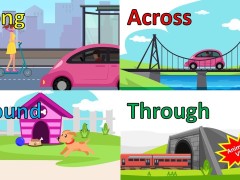
across [əˈkrɔs] prep. 横过,穿过
cat [kæt] n. 猫
Lesson 32 What's he/she/itdoing? 他/她/它正在做什么?
type [taip] v. 打字
【派】typewriter 打字机
【搭】type up 打完
* * *
A: Did you type this letter?
B: Yes, anything wrong?
A:这封信是你打的吗?
B:是的,有什么问题吗?
* * *
letter [ˈletə] n. 信
【扩】envelope 信封
【搭】write a letter 写信
post a letter 寄信
* * *
A: I want to send a certified airmail letter to China.
B: OK, it comes to two dollars.
A:我想寄一封去中国的航空挂号信。
B:好的,一共2美元。
* * *
basket [ˈbɑːskit] n. 篮子
【派】basketball 篮球
* * *
A: Here's something for you.
B: Oh, it's a lovely basket! I like it very much.
A:这是给你的一点儿小礼物。
B:哦,是个可爱的小篮子。我太喜欢了。
* * *
eat [iːt] v. 吃
【扩】have a meal 吃饭
【搭】eat up 吃光
* * *
A: What would you like to eat tonight?
B: How about fish?
A:你今天晚上想吃点儿什么?
B:吃鱼怎么样?
* * *
bone [bəun] n. 骨
clean [kliːn] v. 清洗
* * *
A: It's your turn to clean the room today.
B: Can you help me to do it this time? I'm under the weather today.
A:今天轮到你打扫屋子了。
B:这次你能帮我打扫吗?我今天不太舒服。
* * *
tooth [tuːθ] n. 牙齿
【派】toothpaste 牙膏 toothbrush 牙刷
【搭】be armed to the teeth 全副武装
* * *
A: I've got a bad tooth. Would you please see if it can be filled?
B: Let me have a check for you first.
A:我有颗牙坏了,你看能不能给补一下?
B:我先帮你检查一下吧。
* * *
cook [kuk] v. 做(饭菜)
【派】cooker 炊具 cooking 烹饪
【扩】chef 厨师
【搭】cook up 编造
cook the book 做假帐
* * *
A: Mary told me that you are good at cooking.
B: Yes, would you like to stay here to have dinner with us tonight?
A:玛丽告诉我说你很擅长烹饪。
B:是的。你今晚要不要留下来和我们一起共进晚餐啊?
* * *
milk [milk] n. 牛奶
* * *
A: Do you want some milk with your coffee?
B: Yes, and add some sugar, too.
A:您的咖啡要加牛奶吗?
B:要,再加一些糖。
* * *
meal [miːl] n. 饭,一顿饭
【派】mealtime 进餐时间
【搭】take a meal 进餐
* * *
A: Does the room rate cover meals?
B: No, I'm afraid you have to pay for your food.
A:房费包括饭费吗?
B:不,恐怕您得为食物付费。
* * *
drink [driŋk] v. 喝
【扩】drunk 酒醉的
【搭】drink water 喝水 drink in 吸收
* * *
A: Do you want to have some beer?
B: No, thanks. I don't drink beer at noon.
A:来点儿啤酒怎么样?
B:不,谢谢,中午我不喝啤酒。
* * *
tap [tæp] n. (水)龙头
garden
🇬🇧/ˈɡɑːd(ə)n/ 🇺🇸/ˈɡɑːrdn/noun [具体名词] 花园,菜园,果园;庭园;公园;(用于街名)街,广场
The garden looked uncared for. 这花园似乎无人管理。
verb [vt. 及物动词] 做园艺工作,种植花木
Jim gardened at the homes of friends on weekends. 吉姆每逢周末在朋友们的家里干园艺活。
noun [专属名词] 【名】 (Garden)(英、意、巴基)加登(人名)
Garden has been digging the garden. 加登一直在花园松土。

与 “garden” 相关联的词汇
under
🇬🇧/ˈʌndə(r)/ 🇺🇸/ˈʌndər/preposition [位置和方向] 在(或到、通过)…下面;在…表面下,由…覆盖着;少于,小于,低于;由…控制(或管理、经营); 按照,依据(法律、协议或制度);在…过程中;在…的影响下;用,以(尤指假名);属于,列入,在…项之下;在…情况下,在…条件下
They found a labyrinth of tunnels under the ground. 他们发现了地下一处迷宫似的地道。
adverb [地点副词] 在下面;在下面穿过;在水下;少于,小于,较年轻;在昏迷中,陷入昏迷状态
He took a deep breath before he went under. 他在钻下水前深深地吸了口气。
adjective [原级] 较低的,下面的
We often slept under the stars. 我们经常在夜空下露宿。
与 “under” 相关联的词汇
noun [专属名词] 树;木料;树状物
I planted those apple trees. 我种了那些苹果树。
verb [vt. 及物动词] vt. 把……赶上树
Look! It's going up that tree. 瞧!它正在往那棵树上爬呢。
verb [vi. 不及物动词] vi. 爬上树;逃上树
The tree is in bud already. 树已发芽。

与 “tree” 相关联的词汇
climb
/klaɪm/verb [vt. 及物动词] 攀登,攀爬;爬升,升高;上升,升值;提高社会地位,晋升;吃力地爬(移动);(植物)攀缘而上
Climbing the first hill took half an hour. 爬第一座山花了半个小时。
noun [抽象名词] 攀登,爬升;攀登的地方,攀登物;增值,上升;提高地位,晋升
...an hour's leisurely climb through olive groves and vineyards. … 橄榄丛和葡萄园中的一个小时的悠闲攀爬。

与 “climb” 相关联的词汇
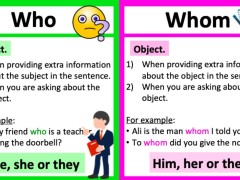
who
/huː/pronoun [人称代词] 谁;什么人
Who is your favourite writer? 你最喜欢哪位作家?
与 “who” 相关联的词汇
run
/rʌn/verb [vi. 不及物动词] 奔跑;跑步;参加(赛跑);举行(比赛);赛(狗、马等);持球跑动进攻;跑垒;迅速做,赶快去;奔忙;做(跑腿差事);(迁移的鱼为产卵而)洄游;管理,经营;(使)运转,(使)运行;开设(服务、课程等);(使)(磁带或录像带)播放,放映
I excused myself and ran back to the telephone. 我道了歉,跑回去接电话。
noun [具体名词] 跑步,赛跑;旅程,航程; 一段(幸运或倒霉的)时光,一系列(成功或失败);连续上演(或放映);尝试,努力;额定产量;抛售(美元、英镑等);争购,抢购
He was already preparing his run for the presidency. 他已经在为总统竞选做准备。

与 “run” 相关联的词汇
grass
🇬🇧/ɡrɑːs/ 🇺🇸/ɡræs/noun [具体名词] 草;草地,草坪;<非正式>大麻;<英,非正式> 告密者;草地网球场;牧场;<英,非正式>告密者
Small things stirred in the grass around the tent. 帐篷周围的草丛里有小东西在动。
verb [vt. 及物动词] 在…上种草;<英,非正式>(向警方)告发;捕(鱼)并带上河岸;将(某人)撞倒;<美>给(牲畜)喂草
The grass was dry and patchy. 草都干了,东一片西一片的。

与 “grass” 相关联的词汇
after
🇬🇧/ˈɑːftə(r)/ 🇺🇸/ˈæftər/preposition [位置和方向] 在…之后;紧接着;一次接着一次,持续不断地;跟随,在…身后;(按顺序、重要性)在…后面,仅次于;与…对照,对比;鉴于,由于;尽管;寻找,追捕;关于;模仿,依照;以…命名;(表示时间)(…点)过(…分)
After May 19, strikes were occurring on a daily basis. 在5月19日以后,罢工每天都在发生。
conjunction [推进连词] 在…以后
After Don told me this, he spoke of his mother. 唐告诉我这件事以后,他谈到了他的母亲。
adverb [时间副词] 后来,以后
Tomorrow. Or the day after. 明天。或者后天。
与 “after” 相关联的词汇
cat
/kæt/noun [专属名词] 猫,猫科动物
Cats are lions, tigers, and other wild animals in the same family. 猫科动物 The lion is perhaps the most famous member of the cat family. 狮子可能是猫科家族里最有名的成员了。

与 “cat” 相关联的词汇
type
/taɪp/noun [抽象名词] 类型,种类;具有某种特征的人,典型;(印刷的)文字,字体;(印刷)铅字,活字;象征;(艺术的)典型,榜样;(宗教学)预兆;(植,动)型,模式标本;(奖章或硬币)图案;(语言学)类型,型
There are various types of the disease. 该疾病有各种类型。
verb [vi. 不及物动词] (用计算机或打字机)打字;测定…的类型,分型
I had never really learned to type properly. 我从未真正地学会正确地打字。

与 “type” 相关联的词汇
letter
🇬🇧/ˈletə(r)/ 🇺🇸/ˈletər/noun [可数名词] 信,信函;字母;<美>(缝制在运动服上的)校运动队首字母标志;<英,非正式>(代表学位或职位等资格的)首字母缩略词(letters);文学;法律文书,正式文书(letters);字面确切含义;(印刷)一种铅字字体;<古> 学识,渊博的学问
I had received a letter from a very close friend. 我收到了一位非常亲近的朋友的来信。
verb [vi. 不及物动词] 用字母标注;把字母印刷(或缝制等)于;<美>赢得学校运动队的字母标志
Burkoth lettered in American football. 伯考斯在足球赛中赢得了校名首字母徽章。

与 “letter” 相关联的词汇
basket
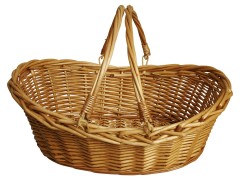
🇬🇧/ˈbɑːskɪt/ 🇺🇸/ˈbæskɪt/noun [专属名词] 篮子;一篮的量;(篮球运动的)篮;投篮得分
There was a complimentary basket of fruit in our room. 我们房间里有一篮免费赠送的水果。
与 “basket” 相关联的词汇
basketball
/ˈbɑːskɪtbɔːl/noun [专属名词] 篮球;篮球运动
He coaches basketball and soccer. 他执教篮球和足球。

与 “basketball” 相关联的词汇
verb [vt. 及物动词] 吃,吃饭;侵蚀,损耗;烦扰(be eating)
If you eat, you have a meal. 吃饭 • Let's go out to eat. 我们出去吃饭吧。
noun [抽象名词] 少量食物,点心
Ugh! How can you eat that stuff? 啊!你怎么吃得下那种东西?

与 “eat” 相关联的词汇
bone
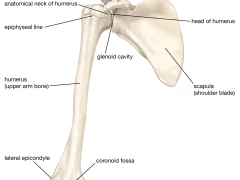
🇬🇧/bəʊn/ 🇺🇸/boʊn/noun [专属名词] 骨,骨头;骨质;基本结构,基本(bones)
Many passengers suffered broken bones. 许多乘客骨折了。
verb [vi. 不及物动词] 挑刺,剔骨头;施骨肥于;(与某人)性交;(为应付考试)临时突击
The bone hasn't knitted together properly. 骨头还没有完全愈合。
adverb [程度副词] 非常,完全地
There are not even the bare bones of a garden here – I've got nothing. 这儿连花园的最基本的东西都没有–我一无所获。
与 “bone” 相关联的词汇
adjective [原级] 洁净的,干净的;讲卫生的,爱干净的;无污染的
The subway is efficient and spotlessly clean. 地铁快,而且一尘不染。
noun [抽象名词] 清洁,清扫,打扫
The windows will have to be given a thorough cleaning. 窗户必须得做彻底的清洁。
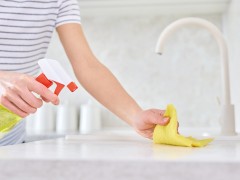
verb [vt. 及物动词] 使)清洁,清理;变干净;做清洁工;干洗;(烹饪前)清除(动物)内脏
Mary cooked and cleaned for them. 玛丽为他们做饭、打扫卫生。
adverb [程度副词] 干净地,纯洁地;彻底地,完全地
It burned clean through the seat of my overalls. 把我的连身工作服的臀部全给烧穿了。
与 “clean” 相关联的词汇
tooth
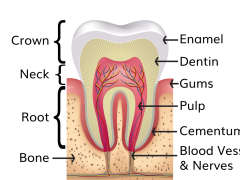
/tuːθ/noun [专属名词] 牙,齿;(工具边缘、梳子、锯、拉链等的)齿状物,齿;(官方组织、法律等的)威力,效力(teeth);口味,爱好;粗糙面(颜料、胶水能黏附于上)
She had very pretty straight teeth. 她有非常漂亮整齐的牙齿。
verb [vt. 及物动词] 给…装齿;啮合
Add more honey if you have a sweet tooth. 如果你嗜好甜食就多加些蜂蜜。
与 “tooth” 相关联的词汇
noun [专属名词] 厨师,炊事员
They had a butler, a cook, and a maid. 他们有一位管家、一位厨师和一位女仆。
verb [vt. 及物动词] 煮,烧;烹饪,烹调;<非正式>发生,计划中;<美,非正式>干得起劲,干得好;<非正式>篡改,伪造
Where did you learn to cook? 你在哪里学的烹调?

与 “cook” 相关联的词汇
milk
/mɪlk/noun [不可数名词] (牛或羊等的)奶;奶汁,母乳;乳液(用于清洁或保护皮肤);(椰子等植物的)白色汁液
He stepped out to buy a quart of milk. 他出去买了一夸脱奶。
verb [vt. 及物动词] 挤奶;榨取,勒索;充分利用;迎合(观众);(动物,尤指母牛)产奶,出奶;从…抽取液汁(或毒液等)
If someone milks a cow or goat, they get milk from it, using either their hands or a machine. 给…挤奶

与 “milk” 相关联的词汇
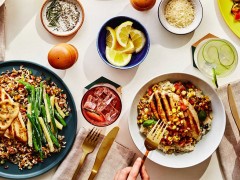
noun [专属名词] 一餐,进餐(时间);一餐所吃的食物;磨成粗粉的东西
She sat next to him throughout the meal. 她在这一顿饭的时间里坐在他旁边。
verb [vi. 不及物动词] 进餐
The troops are very tired. They haven't had a square meal for four or five days. 这些部队非常疲惫。他们已经四五天没有丰盛食物了。
与 “meal” 相关联的词汇
verb [vi. 不及物动词] 喝,饮;喝酒;饱览,欣赏;<非正式>吸收(水分)
He drank his cup of tea. 他喝了他那杯茶。
noun [具体名词] 饮料;一杯,一口,一份(饮料);酒,酒精饮料;酒会,酒宴;<非正式>一片水(the drink)
She had left him because of his drinking. 她离开了他,因为他酗酒。

与 “drink” 相关联的词汇
tap
/tæp/verb [vi. 不及物动词] 轻拍,轻扣,轻敲;敲出节奏,打拍子;凿孔装(龙头或旋塞);旋开(桶等容器)放出液体;在(树)上切口(导出液体);(在电话上)装窃听器,窃听;开发,发掘,利用(资源、形势
He tapped the table nervously with his fingers. 他紧张地用手指轻轻地敲打桌子。
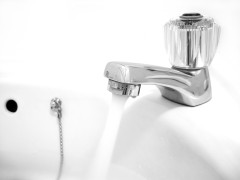
noun [具体名词] 水龙头,阀门,旋塞;轻拍(声),轻敲(声);窃听,窃听器;踢踏舞;(踢踏舞鞋尖或鞋跟上的)金属片;(军营里晚上的)熄灯号,(军队的)葬礼号;<英>(女童子军活动中)篝火晚会上(或集会上)唱的结束曲;<英> 酒吧;螺丝攻;<英>(电) 分接头;轻拍音
She turned off the tap and dried her hands. 她关上水龙头,把手擦干。
与 “tap” 相关联的词汇
across
🇬🇧/əˈkrɒs/ 🇺🇸/əˈkrɔːs/adverb [方式副词] 从一边到另一边;在…对面;朝,向;宽;横向字谜答案
Across is also an adverb. 从一边到另一边
preposition [方式和原因] 从一边到另一边;横过,穿过;在…对面;遍及;在…上;跨越(政治、宗教、社会隔阂等)
If something is situated or stretched across something else, it is situated or stretched from one side of it to the other. 跨越