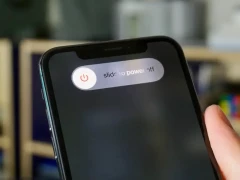
shut [ʃʌt] v. 关门
bedroom [ˈbedrum] n. 卧室
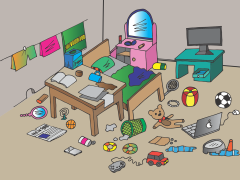
untidy [ʌnˈtaidi] adj. 乱的,不整洁的
【构】un(表示否定意义的前缀)+tidy(整洁的)=untidy(不整洁的)
【扩】tousy 凌乱的
* * *
A: How can you live in such an untidy room?
B: I really have no time to clean it.
A:你怎么能住在这么乱的房间里面?
B:我确实没时间去整理。
* * *
must [mʌst] modal verb 必须,应该
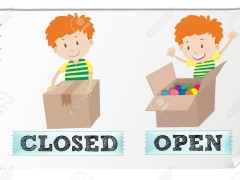
open [ˈəupən] v. 打开
【派】opening 孔,口子 opener 开启工具
【反】close 关上
* * *
A: When will the museum open today?
B: Unfortunately, it is closed today.
A:博物馆今天几点开馆?
B:很遗憾,今天闭馆。
* * *
air [ɛə] v. 使……通风,换换空气
put [put] v. 放置
【搭】put on 穿上 put up 举起
put off 推迟 put out 扑灭
* * *
A: Put it in that corner, please.
B: I can't lift it. It's so heavy.
A:请把它放到那个角落去。
B:我提不动,它太重了。
* * *
clothes [kləuðz] n. 衣服
wardrobe [ˈwɔːdrəub] n. 衣柜
dust [dʌst] v. 弹掉灰尘
【派】dusting 清扫 dustless 无尘的
* * *
A: Please dust the shelves.
B: OK. I'll finish it soon.
A:请掸掸柜子上的灰。
B:好的,马上完成。
* * *
sweep [swiːp] v. 扫
【派】sweeping 清除,清扫
【扩】broom 扫把
【搭】sweep off 拂去 sweep away 驱散
* * *
A: Can you sweep the floor for me?
B: OK. Pass me the broom.
A:能帮我把地扫扫吗?
B:好的,把扫把递给我吧。
Lesson 30 What must I do? 我应该做什么?
empty [ˈempti] v. 倒空;使……变空
【派】emptying 倒空
* * *
A: Empty the bowl and wash it.
B: Why don't you do it yourself?
A:把碗里的东西倒了,再把碗给洗了。
B:你为什么不自己去做呢?
* * *
read [riːd] v. 读
【派】reading 阅读 reader 读者
【扩】peruse 熟读,阅读
【搭】read books 看书
* * *
A: What's your hobby?
B: I like reading very much.
A:你的爱好是什么?
B:我很喜欢阅读。
* * *
sharpen [ˈʃɑːpən] v. 削尖,使锋利
put on [ˈput-ɔn] 穿上
【搭】put on weight 增加体重
* * *
A: Put on your coat. It's cold outside.
B: I didn't bring a coat with me at all.
A:把你的外套穿上,外面冷。
B:我压根就没带外套来。
* * *
take off [ˈteik-ɔf] 脱掉
turn on [ˈtəːn-ɔn] 开(电灯等)
turn off [ˈtəːn-ɔf] 关(电灯等)
* * *
A: Turn off the television. I don't want to watch it now.
B: But where is the remote control?
A:把电视关了吧,我不想看了。
B:但是遥控器在哪儿呢?
shut
/ʃʌt/verb [vt. 及物动词] 关闭,合上;把…关在;<英>(使)停止运作,(使)停止营业;禁止通行,封闭
Just make sure you shut the gate. 你务必关上那幢大门。
adjective [原级] 关闭的,关上的;<英>打烊的,停止营业的
She was silent for a moment, lips tight shut, eyes distant. 她沉默了片刻,双唇紧闭,两眼茫然。
noun [抽象名词] 关闭
I don't have to tell you how important it is for you to keep your mouth shut about all this. 我不必告诉你对这件事保密有多么重要。

与 “shut” 相关联的词汇
noun [专属名词] 卧室
The main bedroom is enormous. 主卧室大极了。
adjective [原级] 两性关系的;城郊住宅区的
This town is becoming a bedroom community of Columbus, 20 miles to the north. 这座小镇正成为距此北面20英里处哥伦布市的卧室社区。

与 “bedroom” 相关联的词汇
untidy
/ʌnˈtaɪdi/adjective [原级] 不整洁的,凌乱的;懒散的;不干净利落的,不简练的;不适宜的
My room looks very untidy. 我的房间看起来很不整洁。
verb [vt. 及物动词] 使不整洁;使杂乱无章
His uniform was crumpled and untidy. 他的制服有很多褶皱, 而且不整洁。
与 “untidy” 相关联的词汇
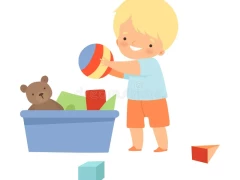
tidy
/ˈtaɪdi/adjective [原级] 整洁的,有条理的;(人)爱整洁的,爱整齐的;<非正式>(款额)巨大的;相当好的,令人满意的
Something that is tidy is neat and is arranged in an organized way. 整洁的 They sat in her neat and tidy kitchen. 他们坐在她那干净整齐的厨房里。
verb [vt. 及物动词] 使整洁,整理
When you tidy a place such as a room or cupboard, you make it neat by putting things in their proper places. 整理 (房间、橱柜等)
noun [抽象名词] 盛零碎物品的容器;<英>整理,收拾;<美>(椅子靠背的)罩单,套子
I'm very impressed by your tidiness and order. 你的整洁和条理性给我留下了非常深刻的印象。
与 “tidy” 相关联的词汇
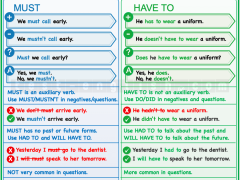
must
🇬🇧/mʌst/ 🇺🇸/məst/verb [情态动词] (表示必要或很重要)必须;(用于表示肯定推测)一定,谅必;(提出建议)应该;(用于表示意图)一定要,坚持要;(用于表示同情)必定;(用于问句中表示生气)非要 ;(用于感叹句,表示惊讶或震惊)一定是
You use must to indicate that it is necessary for something to happen, usually because of a rule or law. 必要 (表示依据法律或规则)
noun [抽象名词] <非正式>必不可少的事物;(发酵前或发酵中的)葡萄汁;潮气,霉菌;(尤指发情期的公象、雄骆驼等的)狂暴状态(=musth)
If you refer to something as a must, you mean that it is absolutely necessary. 必不可少的事物; 必须要做的事
与 “must” 相关联的词汇
open
/ˈəʊpən/adjective [原级] 开放的,营业的;开着的,敞开的;(身体部位)张开的;未封的;未系好的,未扣上的;露天的;开阔的,未围上的;无顶的,无遮盖的;开放式的;可通行的,畅通的;伸开的,展开的;坦率的;不保密的,公开的;会受到…的,会被…的;人人可以参加的,对公众开放的
Without warning, Bardo smacked his fist into his open hand. 毫无预警地,巴多用拳头啪地猛击了他张开的手。
verb [vt. 及物动词] 开,打开;开封,开启;(使)(眼睛)睁开;张开(嘴巴);翻开;展开;开放(被封的道路、边界等);(使)开始营业,(使)开门 ;(使)开张,(使)开办;为(大楼等)举行揭幕典礼;(股市)开盘,开市;着手;上映,开幕
If you open something such as a bottle, box, parcel, or envelope, you move, remove, or cut part of it so you can take out what is inside. 开封 • I opened the letter. 我拆开了那封信。
noun [抽象名词] 户外,野外(the open) ;公开状态,众所周知(the open);公开赛(Open);电流意外断路
He was there, though, for the official opening. 然而,他到了那儿是为了参加正式开幕。
与 “open” 相关联的词汇
air
🇬🇧/eə(r)/ 🇺🇸/er/noun [专属名词] 大气,空气;空中,天空;乘坐飞机,航空;神态,氛围;曲调,旋律;装腔作势,做作;空气媒质;气,风
Draughts help to circulate air. 通风有助于循环空气。
verb [vt. 及物动词] 使公开,宣扬;(使)通风;(使)晾干,(使)烘干;播送,播放;<古>出去透气;<古>炫耀,夸示
One day a week her mother cleaned and aired each room. 每周一天,她的母亲给每一个房间进行清扫并通风。
与 “air” 相关联的词汇
put
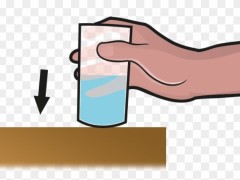
/pʊt/verb [vt. 及物动词] 放,安置;猛推,用力插入;将…送往,使…前往;使与…连接,安装;(在…上)书写,记;使处于(某状态或情况);使受到…的影响;给予(重视、信任、价值等);把…视为(或列为);说,表达;推(铅球);(船)(沿某个方向)行驶;给…估 (值);提出(问题或建议);谱曲
Leaphorn put the photograph on the desk. 利普霍恩把那张照片放在桌子上。
noun [抽象名词] (铅球或铁饼的)投掷,推;(股票)PUT OPTION 的简称
She's put her hair up. 她把头发挽在头上。
adjective [原级] 固定不动的
Mary ate more than the rest of us put together. 玛丽吃得比我们其他人加在一起还要多。
与 “put” 相关联的词汇
clothes
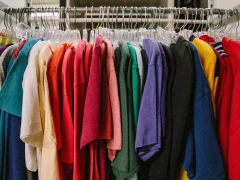
🇬🇧/kləʊðz/ 🇺🇸/kloʊðz/noun [专属名词] 衣服,衣物;(在特定场合、特定时间或由特定人群穿着的)服装,礼服;被褥
Moira walked upstairs to change her clothes. 莫伊拉上楼去换衣服了。
与 “clothes” 相关联的词汇
wardrobe
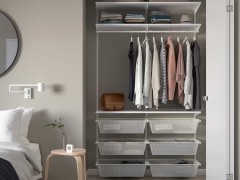
🇬🇧/ˈwɔːdrəʊb/ 🇺🇸/ˈwɔːrdroʊb/noun [专属名词] 衣柜,衣橱;(某人的)全部服装;(剧院、电视台等的)服装部,戏装管理部
Her wardrobe consists primarily of huge cashmere sweaters and tiny Italian sandals. 她的衣服主要是宽大的开司米毛衣和纤小的意大利凉鞋。
与 “wardrobe” 相关联的词汇
closet
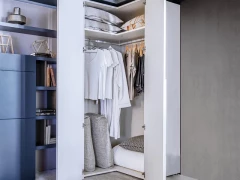
🇬🇧/ˈklɒzɪt/ 🇺🇸/ˈklɑːzɪt/noun [专属名词] 壁橱,储藏室;隐秘状态(尤指同性恋身份);<古>盥洗室,厕所
That's the closet? 这就是衣橱?
verb [vt. 及物动词] 把…关在房间;把…带入房间密谈
I put it in the closet. You put it in the closet? 我把它放在壁橱里了,你把它放在壁橱里了?
adjective [原级] 秘密的,不公开的
That is a closet. 那是一个衣柜。
与 “closet” 相关联的词汇
noun [专属名词] 沙尘;灰尘;粉末;尘雾;除尘,掸灰;<文>尸骨,遗骸;<文>凡身,肉体
Dust is the very small pieces of dirt which you find inside buildings, for example, on furniture, floors, or lights. 灰尘
verb [vt. 及物动词] 擦去…的灰尘;把粉末撒于;<美,非正式>狠揍,杀死(某人)
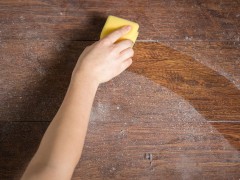
When you dust something such as furniture, you remove dust from it, usually using a cloth. 去除灰尘
与 “dust” 相关联的词汇
sweep
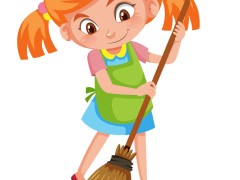
/swiːp/verb [vt. 及物动词] 打扫,清除;(目光)扫视,(灯光)掠过;(快速地)带走,卷走;(尤指快速有力地)移动,冲;(风、汹涌的海水等)席卷,横扫;风行,迅速蔓延;(使)轻轻擦过
If you sweep things off something, you push them off with a quick smooth movement of your arm. 拂去 • I swept rainwater off the flat top of a gravestone. 我拂去一块墓碑平顶上的雨水。
noun [具体名词] 打扫,扫除;挥动,掠;巡行,扫荡; (某事物的)广度,范围;绵延弯曲的地带(或水域);楼前车道的弧形部分
With one sweep of her hand she threw back the sheets. 她手一挥把那些床单扔了回来。
与 “sweep” 相关联的词汇
adjective [原级] 空的;空洞的,无意义的;空虚的;无知的,愚蠢的;无用的,徒劳的
The room was bare and empty. 房间空荡荡的。
verb [vt. 及物动词] 清空;变空;流入;使失去
I emptied the ashtray. 我倒空了烟灰缸。
noun [具体名词] 空容器
After breakfast we'll take the empties down in the sack. 早餐后我们要用袋子把空瓶子拿下去。

与 “empty” 相关联的词汇
read
🇬🇧/riːd/ 🇺🇸/red/verb [vt. 及物动词] 阅读,读懂;朗读;(在书籍、报纸等中)读到,看到;解读,(按某种方式)理解;看透(想法或心思);读起来(给人以某种印象);有…的字样,写着;换用,改作(用于订正讹误);读取
When you read a piece of writing to someone, you say the words aloud. 朗读 What does the thermometer read? 温度计的读数是多少?
noun [具体名词] <英,非正式>阅读,阅读时间;<英,非正式>读物;<美>解释,阐明
I settled down to have a good read. 我舒舒服服地坐下来,想好好读书。
adjective [原级] 博学的,有学问的
Have you read this book? 你读过这本书吗?

与 “read” 相关联的词汇
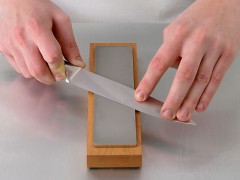
sharpen
🇬🇧/ˈʃɑːpən/ 🇺🇸/ˈʃɑːrpən/verb [vt. 及物动词] (使)变锋利(尖锐,清晰);(使)改善,提高;(使)加剧
Her gaze sharpened, as if she had seen something unusual. 她眼睛一亮,好像看到了不寻常的东西。
与 “sharpen” 相关联的词汇
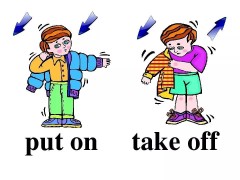
verb [vt. 及物动词] 穿上:指穿戴衣物、饰品等;上演:指表演、演出等;增加:指体重、重量等的增加。
The band are hoping to put on a UK show before the end of the year... 那个乐队希望年底之前在英国举办一场演出。
与 “put on” 相关联的词汇
take off
🇬🇧/teɪk ɒf/ 🇺🇸/ˈteɪk ɔːf/verb [vt. 及物动词] 脱下:指将衣物或鞋子从身上或脚上取下。
Please take off your shoes before entering the house. 请在进屋前脱鞋。
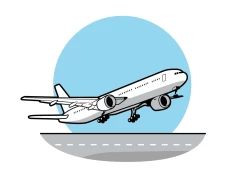
verb [vt. 及物动词] 起飞:指飞机离开地面开始飞行。
The plane is scheduled to take off at 9:00 am. 飞机计划在上午9点起飞。
verb [vt. 及物动词] 脱离:指从某个地方或状态中解脱出来。
He decided to take some time off work to relax. 他决定休假一段时间放松一下。
verb [vt. 及物动词] 扣除:指以折扣的方式减去一部分。
They took 20% off the original price. 他们从原价中打了8折。
verb [vt. 及物动词] 模仿:指模仿某人或某物的行为或风格。
He can take off the mannerisms of famous actors. 他能模仿出著名演员的举止特点。

与 “take off” 相关联的词汇
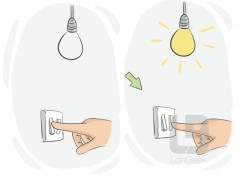
verb [vt. 及物动词] 打开:启动或开启某个设备或系统。使兴奋:使某人感到兴奋或激动。
He could also turn on the style when the occasion demanded. 如果场合需要,他也能瞬间就表现得风度翩翩。
与 “turn on” 相关联的词汇
turn off
🇬🇧/tɜ:n ɒf/ 🇺🇸/tɜːrn ɔ:f/verb [vt. 及物动词] 关闭:停止使用或使某物停止运行,如关灯、关电视等。令人反感:使人不喜欢或不感兴趣的事物或特点。
I have to get up and turn off the radio. 我必须起床关上收音机。