anyone [ˈeniwʌn] pron. 任何人
* * *
A: Teacher, the reagent here is not the right kind for the experiment.
B: I'll change that. Anyone else has the wrong reagent?
A:老师,我的试剂不是这次实验用的那种。
B:我会换给你的。还有人的试剂是搞错的吗?
* * *
knock [nɔk] v. 敲,打
【派】knocker 门环
【扩】beat 击打 hit 打
【搭】knock down 打倒
knock over 打翻
* * *
A: Who is knocking at the door?
B: Let me go to have a look.
A:是谁在敲门?
B:我过去看看。
* * *
everything [ˈevriθiŋ] pron. 一切事物
quiet [ˈkwaiət] adj. 宁静的,安静的
【派】quietly 平静地
【扩】calm 平静的 still 静止的
【反】noisy 吵闹的
* * *
A: The room is very quiet. I like it.
B: I'm glad to hear that. Have a nice stay here.
A:这个房间很安静,我很喜欢。
B:很高兴听您这么说。祝您在这儿住得愉快。
* * *
impossible [imˈpɔsəbəl] adj. 不可能的
【例】Nothing is impossible. 一切皆有可能。
【反】possible 可能的
* * *
A: It's almost impossible to find a taxi during rush hour here.
B: Then let's take a bus instead.
A:这儿在交通高峰时期找一辆出租汽车几乎是不可能的。
B:那我们还是坐公交车吧。
* * *
invite [inˈvait] v. 邀请
【派】invitation 邀请
【扩】call for 邀请
【搭】invite sb. to do sth. 邀请某人做某事
* * *
A: Welcome here. Make yourself at home.
B: Thank you for inviting us to the party.
A:欢迎光临,请不要拘束。
B:谢谢您邀请我们参加这次晚会。
* * *
anything [ˈeniθiŋ] pron. 任何东西
* * *
A: I'm planning to go to Beijing for sightseeing. Do you know Beijing well?
B: Not much. But I've got some brochures about the scenic spots there.
A:我打算去北京旅游。你了解北京吗?
B:不太了解,但是我有一些关于旅游景点的宣传册。
* * *
nothing [ˈnʌθiŋ] pron. 什么也没有
lemonade [ˌleməˈneid] n. 柠檬水
* * *
A: Can I have a bottle of lemonade?
B: Sorry, we don't have lemonade here. How about a bottle of orange juice?
A:我能要一瓶柠檬水吗?
B:对不起,我们这儿没有柠檬水。来瓶橘子汁怎么样?
* * *
joke [dʒəuk] v. 开玩笑
【派】joking 开玩笑的
【扩】make fun 开玩笑
【搭】play a joke on sb. 开某人玩笑
in joke 闹着玩的
* * *
A: I hope you'll tell me how to learn with success.
B: Don't joke with me. You know I'm no better than you in some of the subjects.
A:我想请教你怎样提高学习效果。
B:别跟我开玩笑了。你知道我有些学科还不如你学得好呢!
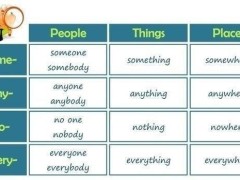
Lesson 116 Every, no, any and some 每一、无、若干和一些
asleep [əˈsliːp] adj. 睡觉,睡着(用作表语)
【扩】dreamland 睡觉
【搭】fall asleep 睡着
half asleep 半睡半醒的
* * *
A: I don't think studying all night is going to do you much good. You might fall asleep the next day during the class.
B: You are right. I think I'd better think about doing a little rescheduling.
A:我看通宵学习对你不会有什么好处,第二天上课时你会昏昏入睡的。
B:你是对的,我想我最好还是考虑重新安排一下时间。
* * *
glasses [ˈɡlɑːsiz] n. 眼镜
* * *
A: I'm afraid it takes one hour to make a new pair of glasses.
B: The time is a little long.
A:恐怕配一副新眼镜需要一个小时。
B:时间有点儿长。
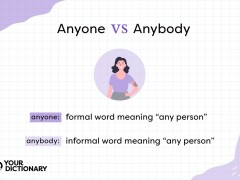
anyone
/ˈeniwʌn/pronoun [指示代词] 任何人;某个人;任何…的人;重要人物;任何一个人
I didn't tell anyone, honestly! 我确实没有告诉任何人!
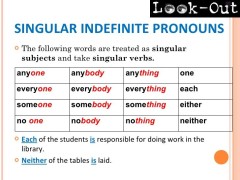
与 “anyone” 相关联的词汇
knock
🇬🇧/nɒk/ 🇺🇸/nɑːk/verb [vt. 及物动词] 敲,击;碰撞,碰倒;把…撞击成;敲动,打破;打,凿(洞);(尤指因故障)发碰撞声,嘭嘭作响;挑剔,无端指责
She went directly to Simon's apartment and knocked on the door. 她径直走到西蒙的住处,敲了敲门。
noun [具体名词] 敲打声,(尤指)敲门声;打击,捶击,撞击
They heard a knock at the front door. 他们听到前门有一敲门声。

与 “knock” 相关联的词汇
everything
/ˈevriθɪŋ/pronoun [指示代词] 每件事物,(有关的)一切,万事;形势,情况;最重要的东西
Relax! Everything will be OK. 放松吧!一切都会好起来的。
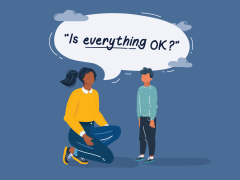
与 “everything” 相关联的词汇
adjective [原级] 轻声的,安静的;不出声的;沉默寡言的,文静的;寂静的,平静的;不受打扰的,悠然的
Tania kept the children reasonably quiet and contented. 塔妮娅把孩子们料理得安心而满足。
noun [抽象名词] 安静,静谧
He called for quiet and announced that the next song was in our honour. 他要求静下来,并宣布下一首歌是献给我们的。

与 “quiet” 相关联的词汇
adjective [原级] 不可能的,办不到的;(境况)极其艰难的;(人)难以对付的
It's mathematically impossible. 这在数学上是不可能的。
noun [抽象名词] 不可能的事(the impossible)
His accent was impossible to place. 他的口音无法辨认。

与 “impossible” 相关联的词汇
invite
/ɪnˈvaɪt/verb [vt. 及物动词] 邀请,约请;征求,请求;引起,招致
She invited him to her 26th birthday party in New Jersey. 她邀请了他参加她在新泽西举办的26岁生日聚会。

与 “invite” 相关联的词汇
anything
/ˈeniθɪŋ/pronoun [指示代词] 任何事物 (用于含有否定意义的陈述句中);某事物(用于疑问句和条件分句中);任一事物(强调);任何…的事物(接后置修饰语);任何(接近、像…的)事物;(某范围的)任何事物;重要东西,重要事物;某一限定范围之内的任何一个数量
You can't make me do anything. 你不能强迫我做任何事。
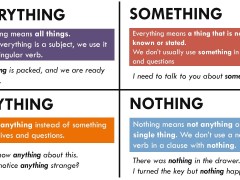
与 “anything” 相关联的词汇
pronoun [指示代词] 没有什么,没有一件东西;无关紧要的事,无足轻重的人;不值钱,不花钱;没有什么
Sam shrugged and said nothing. 萨姆耸了耸肩,什么也没说。
noun [抽象名词] 无关紧要的事,无足轻重的人;空地,虚空;零;无
There's nothing to cry about. 没什么可哭的。
adverb [程度副词] 并不,毫不
There was nothing remarkable about him. 他没有什么特别之处。
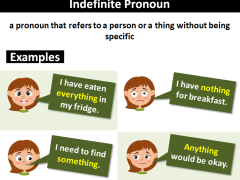
与 “nothing” 相关联的词汇
noun [具体名词] 柠檬味汽水;柠檬汁
He was pouring ice and lemonade into tall glasses. 他正往高脚杯中倒冰和柠檬汽水。

与 “lemonade” 相关联的词汇
joke
🇬🇧/dʒəʊk/ 🇺🇸/dʒoʊk/noun [抽象名词] 笑话,玩笑;荒唐可笑的人(或事物),笑料;恶作剧,捉弄人的玩笑
Whoever thought up that joke? 究竟是谁想出那个笑话的?
verb [vi. 不及物动词] 说笑话,开玩笑;取笑,开…的玩笑
She would joke about her appearance. 她会拿她的长相开玩笑。

与 “joke” 相关联的词汇
adjective [原级] 睡着的;麻木的,发麻的;<美,非正式>不专心的,不活跃的;长眠的,已死的
If you say that your arm or leg is asleep, you mean that it is numb, for example because you have been sitting in an awkward position. (胳膊、腿等) 麻木的
adverb [方式副词] 处于睡眠状态地,进入睡眠状态地
When you fall asleep, you start sleeping. 入睡 • Sam snuggled down in his pillow and fell asleep. 萨姆舒适地枕着枕头睡着了。

与 “asleep” 相关联的词汇
adjective [原级] 醒着的
I don't stay awake at night worrying about that. 我才不会彻夜不眠为那事儿担心呢。
verb [vi. 不及物动词] (使)醒来,唤醒;唤起,激发起
Someone who is wide awake is fully awake and unable to sleep. 毫无睡意的 • I could not relax and still felt wide awake. 我不能放松下来,仍然觉得没有一点儿睡意。

与 “awake” 相关联的词汇
adjective [原级] 活着的;仍然存在的;活跃的,充满活力的;热闹的;尚未失败,仍有成功机会;注意到的
He's still alive, isn't he? 他还活着,不是吗?

与 “alive” 相关联的词汇
glasses
🇬🇧/ˈɡlɑːsɪz/ 🇺🇸/ˈɡlæsɪz/noun [具体名词] 玻璃杯;眼镜(glass 的复数)
...the 140 million Americans who wear glasses or contact lenses. …1.4 亿戴眼镜或者隐性眼镜的美国人。
verb [vt. 及物动词] 把…装入玻璃容器内;给…装上玻璃(glass 的第三人称单数)
He glasses the windows for the new construction project. 他为新建筑工程安装玻璃。

与 “glasses” 相关联的词汇
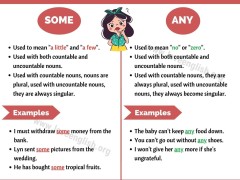
any
/ˈeni/pronoun [指示代词] 任何一个;任何数量,任一数额
The children needed new school clothes and Kim couldn't afford any. 孩子们需要新校服,金买不起任何一件。
adverb [程度副词] 一点,丝毫
I can't see things getting any easier for graduates. 我看不到对于毕业生们事情有任何变容易的趋势。
adjective [原级] 任何的,任一的;一点,一些
Any actor will tell you that it is easier to perform than to be themselves. 任何演员都会告诉你表演比做自己更容易。
与 “any” 相关联的词汇
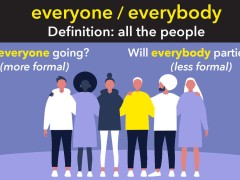
pronoun [指示代词] 每个人,人人
The news heartened everybody. 这个消息鼓舞了每个人。
与 “everybody” 相关联的词汇
nobody
🇬🇧/ˈnəʊbədi/ 🇺🇸/ˈnoʊbɑːdi/pronoun [人称代词] 没有人(=no one)
Nobody can gainsay his claims. 没人能够反驳他的说法。
noun [抽象名词] 小人物
He is a nobody. 他是个无名小卒。

与 “nobody” 相关联的词汇
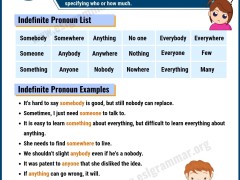
pronoun [指示代词] 某人,有人;重要人物,当权人物
Somebody should have told me. 应该有人告诉我才是。
noun [具体名词] 大人物,重要人物
A nobody can be somebody. 一个平庸之人是无法成为杰出人物的。
与 “somebody” 相关联的词汇
pronoun [指示代词] 任何人;有人,别人;随便哪一个人
Hello, is there anybody there? 喂,那里有人吗?
noun [抽象名词] 重要人物;平常人
Don't you dare say anything to anybody. 你可千万别跟任何人说这件事。
与 “anybody” 相关联的词汇
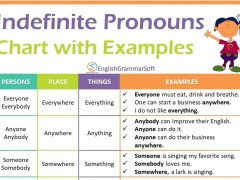
something
/ˈsʌmθɪŋ/pronoun [指示代词] 某事,某物
Would you like something to eat? 你想要吃点什么吗?
adverb [方式副词] 稍微,有点;很,非常
It tastes something like melon. 这吃起来有点像甜瓜。
与 “something” 相关联的词汇
everywhere
🇬🇧/ˈevriweə(r)/ 🇺🇸/ˈevriwer/adverb [地点副词] 到处
You use everywhere to refer to all the places that someone goes to. 所到之处
noun [抽象名词] 每个地方
Smoking was forbidden everywhere. 吸烟到处都是被禁止的。

与 “everywhere” 相关联的词汇
nowhere
🇬🇧/ˈnəʊweə(r)/ 🇺🇸/ˈnoʊwer/adverb [时间副词] 无处,哪里都不;没有任何地方;无名的小地方
There was nowhere for me to sit. 我无处可坐。
noun [抽象名词] 不存在的地方,荒芜的地区
This kind of forest exists nowhere else in the world. 这种类型的森林在世界上其他地方并不存在。
adjective [原级] <非正式>无望成功的;不知名的
This discussion is leading us nowhere. 我们这场讨论将毫无结果。

与 “nowhere” 相关联的词汇
somewhere
🇬🇧/ˈsʌmweə(r)/ 🇺🇸/ˈsʌmwer/adverb [地点副词] 在某处;到某处
I needed somewhere to live. 我需要某个住的地方。
noun [抽象名词] 某个地方
Sarah's off in India somewhere. 萨拉远在印度某地。
与 “somewhere” 相关联的词汇
anywhere
🇬🇧/ˈeniweə(r)/ 🇺🇸/ˈeniwer/adverb [地点副词] 在任何地方;无论何处
I haven't got anywhere to live. 我无处可住。
noun [抽象名词] 任何地方
Did you go anywhere interesting? 你去了什么有趣的地方吗?

与 “anywhere” 相关联的词汇
every
/ˈevri/adverb [频率副词] 每个,每一;每…之中的;每隔,每逢(表频率);所有可能的,完全可能的
Every room has a window facing the ocean. 每个房间都有一扇面对大海的窗。
与 “every” 相关联的词汇
adverb [方式副词] 不,完全不
Yesterday no fewer than thirty climbers reached the summit. 昨天不少于三十名登山者到达了顶峰。
noun [抽象名词] 否定的回答;(复数 noes)(投票表决中的)反对,否决
According to the latest opinion polls, the noes have 50 percent, the yeses 35 percent. 根据最新的民意测验,投反对票的人占50%,投赞成票的人占35%。
interjection [惊讶] int. (用于否定的回答或陈述)不,没有;(感到惊讶)不会吧
"No, no, no," Morris said crossly. “不,不,不,”莫里斯愤怒地说。
adjective [原级] 没有;不是
Sometimes a bit of selfishness, if it leads to greater self-knowledge, is no bad thing. 有时候一点点的自私,如果能引发更多自知之明,也并非坏事。

与 “no” 相关联的词汇
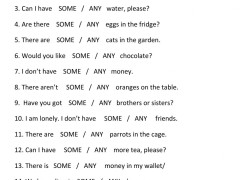
some
🇬🇧/sʌm/ 🇺🇸/səm/adverb [程度副词] 若干,一些;某个,某种;相当多,大量;少量的,不多的
He went to fetch some books. 他去取来了一些书。
pronoun [指示代词] 有些,一部分
I have discussed this topic in some detail. 我已相当详细地讨论过这个话题。
adjective [原级] det. 若干,一些;某个,某种;相当多,大量;少量的,不多的;了不起的,很不错的;不怎么样的,算不上……的
"Some party!"—"Yep. One hell of a party." “那还算晚会!”—“是啊,晚会简直是一塌糊涂。”
与 “some” 相关联的词汇
everyone
/ˈevriwʌn/pronoun [物主代词] 每个人;人人
The news astonished everyone. 这消息使大家十分惊讶。

与 “everyone” 相关联的词汇
no one
/ˈnəʊ wʌn/noun [抽象名词] 没有人:表示没有任何人,用于强调某事没有人做或没有人知道。
There was no one else around. 周围没有其他人。

与 “no one” 相关联的词汇
someone
/ˈsʌmwʌn/pronoun [指示代词] 有人,某人;重要人物
Someone left this note for you. 有人给你留了这张便条。
与 “someone” 相关联的词汇
door
🇬🇧/dɔː(r)/ 🇺🇸/dɔːr/noun [具体名词] 门;门口,门道;建筑,门户
Who's sitting nearest the door? 离门最近的那个人是谁?
verb [vt. 及物动词] 车门撞击(骑自行车经过的人)
They reach a large, glass-doored refrigerator containing dairy products. 两个人走到一个带玻璃门的大冰箱,里面有牛奶制品。

与 “door” 相关联的词汇
back door
/ˌbæk ˈdɔː(r)/noun [专属名词] 后门;非法途经
He used his friends to help him get into the civil service by the back door. 他利用朋友帮他开后门当上了公务员。