conductor [kənˈdʌktə] n. 售票
【扩】ticket seller 售票员 booking clerk 售票员
【搭】bus conductor 公交车售票员
* * *
A: Can you pass the fare to the conductor for me?
B: Sure. Is it just right?
A:你能帮我把车费递给售票员吗?
B:当然,是正好的吗?
* * *
fare [fɛə] n. 车费,车票
【派】farewell 再见 welfare 福利
【扩】outlay 费用 fee 费用
【搭】bus fare 车费
* * *
A: What's the round-trip fare?
B: It will cost you eighty dollars.
A:往返票多少钱?
B:那要80美元。
* * *
change [tʃeindʒ] v. 兑换(钱)
【派】changeable 易变的
【搭】change one's mind 改变主意
* * *
A: Where can I change some money?
B: You can go to Window 3 to deal with it.
A:我可以在哪儿兑换一些钱?
B:你可以到三号窗口去办理。
* * *
note [nəut] n. 纸币
passenger [ˈpæsindʒə] n. 乘客
none [nʌn] pron. 没有任何东西
neither [ˈnaiðə, ˈniːðə] adv. 也不
【搭】neither...nor...既不……也不……
* * *
A: I haven't been to a movie for ages.
B: Neither have I. Why not go to see a movie tonight?
A:我几年没去电影院了。
B:我也是。我们今晚去看怎么样?
* * *
get off 下车
tramp [træmp] n. 流浪汉
except [ikˈsept] prep. 除……外
【派】exception 例外
【扩】besides 除……之外…… exclude 排除
【搭】except for 除了
* * *
A: The programs tonight are excellent.
B: Yes, everything is good except the commercials.
A:今晚的节目都很精彩。
B:是的,除了广告,每个节目都很棒。
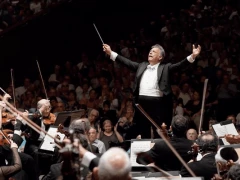
conductor
🇬🇧/kənˈdʌktə(r)/ 🇺🇸/kənˈdʌktər/noun [专属名词] (乐队等的)指挥;售票员,检票员;导体;<英>传导教育的引导者
The conductor beat time with a baton. 指挥用指挥棒打拍子。
与 “conductor” 相关联的词汇
fare
🇬🇧/feə(r)/ 🇺🇸/fer/noun [专属名词] 交通费用;乘客;饭菜;常见的东西;供大众使用的东西(尤指娱乐活动)
He could barely afford the fare. 他几乎付不起车费。
verb [vi. 不及物动词] 进展,表现;<古> 发生,结果;<古>出游,旅行
When do they start paying full fare? 他们什么时候开始收取全价票呢?

与 “fare” 相关联的词汇
verb [vt. 及物动词] 改变,变化;更换,替换;换乘;兑换,找零;交换,互换
The ambassador appealed for a change in U.S. policy. 该大使呼吁美国政策的变革。
noun [抽象名词] 变化,变革;找回的钱,零钱;换乘;替代物,替换衣物;全新体验;转成新月;钟乐敲打的一种套路
It is a complex system, but it certainly makes a change. 这是个复杂系统,但肯定有所改进。

与 “change” 相关联的词汇
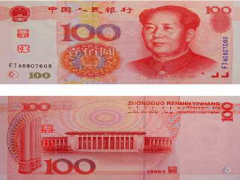
noun [具体名词] 短笺,便条;笔记;重要性,值得注意之处;注释,批注;记录,备忘录;正式文件,证明书;个人信息,个人档案;纸币;音调,音符;说明,提示;票据
Stevens wrote him a note asking him to come to his apartment. 史蒂文斯给他写了个便条让他到他的公寓来。
verb [vt. 及物动词] 留意,注意;指出,提及;记录,记下
When you note something, you write it down as a record of what has happened. 记录 They never noted the building's history of problems.
与 “note” 相关联的词汇
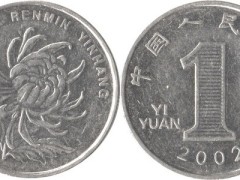
noun [专属名词] 硬币,金属货币
The coin rolled underneath the piano. 硬币滚到了钢琴底下。
verb [vt. 及物动词] 创造新词,首次使用;铸币,造币
Oh well, no news is good news, to coin a phrase. 噢,常言道,没有消息就是好消息。
与 “coin” 相关联的词汇
passenger
🇬🇧/ˈpæsɪndʒə(r)/ 🇺🇸/ˈpæsɪndʒər/noun [专属名词] 乘客,旅客;(团体中)不干活的人,闲散人员
I sat in the passenger seat. 我坐在旅客座位上。
adjective [原级] 乘客的,旅客的
She wedged herself into the passenger seat. 她挤进了旅客座椅中。

与 “passenger” 相关联的词汇
none
/nʌn/pronoun [关系代词] 全无
None of them could sing in tune. 他们中没有一个人能唱得合调。
adverb [程度副词] 毫无,绝不(none the);(与 too 加形容词或副词连用)绝不
He seems none the worse for the experience. 他似乎并未因这次经历而受到什么影响。
noun [专属名词] 申初经(天主教七段祈祷时间中的一部分,通常在一天中的第九个小时 下午3点)
You could end up none the wiser about managing your finances. 你最终可能还是搞不清楚如何管理自己的财务状况。

与 “none” 相关联的词汇
neither
🇬🇧/ˈnaɪðə(r)/ 🇺🇸/ˈniːðər/pronoun [指示代词] (两者中)无一个
She seemed neither surprised nor worried. 她似乎既不惊讶也不担心。
conjunction [并列连词] 既不…(也不…);也不(用于否定句后,表示前句适用于所有提到的人或物);也不(用于否定句后,强调要引出另一否定句)
Professor Hisamatsu spoke neither English nor German. 久松教授既不讲英语,也不讲德语。
adverb [方式副词] (否定的陈述同样适用于其他人或物)也不;(否定的陈述适用于两方面)既不…也不…
They both smiled; neither seemed likely to be aware of my absence for long. 他们两个人都笑了,看来都没意识到我离开了很长时间。
adjective [原级] 两者都不的
They both smiled; neither seemed likely to be aware of my absence for long. 他们两个人都笑了,看来都没意识到我离开了很长时间。
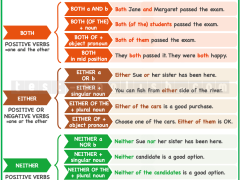
与 “neither” 相关联的词汇
either
🇬🇧/ˈaɪðə(r)/ 🇺🇸/ˈiːðər/conjunction [并列连词] 或者,要么;两者都(不),既(不)
You use either in a negative statement in front of the first of two alternatives to indicate that the negative statement refers to both the alternatives. 用于否定句中,表示“两者都不”
pronoun [指示代词] (两者之中)任意一个;两者都(不)
You use either in a negative statement to refer to each of two things, people, or situations to indicate that the negative statement includes both of them. 用于否定句中,表示“两者中任何一个都不”
adverb [方式副词] 也(不),亦(不);而且,还
Don't agree, but don't argue either. 不要赞同,但是也不要争辩。
adjective [原级] (两者中的)每个的,各方的
...a special Indian drug police that would have the authority to pursue suspects into either country. … 有权到这两国中任意一国追捕嫌犯的一位印度缉毒特警。
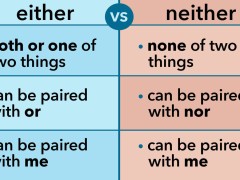
与 “either” 相关联的词汇
get off
🇬🇧/ɡet ɒf/ 🇺🇸/ɡet ɔːf/noun [抽象名词] 下车:从交通工具(如公共汽车、火车、自行车等)上下来。起床:从床上起来,结束睡眠。离开:离开某个地方或停止做某事。
At eight I said 'I'm getting off now.' 8 点钟的时候,我说“我现在要出发了。”

与 “get off” 相关联的词汇
noun [专属名词] 上车:指登上交通工具,如公共汽车、火车等。进展、相处
The host fears the guests won't get on... 主人担心客人们会相处得不愉快。

与 “get on” 相关联的词汇
tramp
/træmp/verb [vi. 不及物动词] 拖着沉重的脚步走,踩,踏;长途跋涉
They put on their coats and tramped through the falling snow. 他们穿上大衣,在落雪中脚步沉重地缓缓走着。
noun [专属名词] 流浪汉,流浪乞丐;沉重的脚步声;长途步行,徒步旅行;(航线不定的)货船;(为挖地而穿的长统靴底)金属片;铲尖;<贬>不正经的女人
Hypothermia is common among tramps sleeping outdoors. 体温过低症在那些露宿户外的流浪汉中很普遍。

与 “tramp” 相关联的词汇
vagrant
/ˈveɪɡrənt/noun [专属名词] 流浪者,乞丐;离群鸟
He lived on the street as a vagrant. 他作为一个流浪者露宿街头。
adjective [原级] 流浪(者)的,流浪生活的;无定向的,游移不定的;<文>无常的
The vagrant had to beg for money. 那个流浪汉不得不乞求钱财。

与 “vagrant” 相关联的词汇
except
/ɪkˈsept/preposition [状态和条件] 除…外,不包括
I wouldn't have accepted anything except a job in New York. 我当时是不会接受一份除纽约以外任何其他地方的工作的。
conjunction [从属连词] 除了,只是;要不是
Freddie would tell me nothing about what he was writing, except that it was to be a Christmas play. 弗雷迪不愿告诉我他在写什么,只说会是个圣诞剧本。
verb [vi. 不及物动词] 不包括,把…排除在外
I like all sports except football. 除足球外我喜欢所有的运动。