believe [biˈliːv] v. 相信,认为
【派】believing 确信 believer 信徒
【扩】trust 信任,相信 lippen 相信
【搭】believe in 信任
* * *
A: I don't believe his words.
B: Why don't we go to see it ourselves?
A:我不相信他的话。
B:我们为什么不自己去看看呢?
* * *
may [mei] modal verb(用于请求许可)可以
how long 多长
since [sins] prep. 自从
【搭】ever since 从那时候起
* * *
A: You look as young as ever.
B: We haven't seen each other for years since our graduation. How have you been?
A:你还是跟原来一样年轻。
B:我们毕业后几年没见面了。你过得怎样?
* * *
why [wai] adv. 为什么
sell [sel] v. 卖,出售
because [biˈkɔz] conj. 因为
【扩】cause 因为 owing to 由于,因为 on account of 因为
【搭】because of 因为
* * *
A: Why not eat out together? We've just got paid today.
B: But I have to tighten my belt because I need to keep a big family.
A:那一块出去吃吧,我们今天刚发工资。
B:可我得节省钱,因为我还要养一大家子人呢。
* * *
retire [riˈtaiə] v. 退休
【派】retired 退休的 retirement 退休
【搭】retire from...从……退休
* * *
A: Bill will retire next year.
B: Who will take his place?
A:比尔明年退休。
B:谁将接替他的位置?
* * *
cost [kɔst] v. 花费
* * *
A: How much is this pen?
B: It's very cheap; it will cost you only eighty yuan.
A:这支钢笔多少钱?
B:很便宜,只要80元。
* * *
pound [paund] n. 英镑(£)
worth [wəːθ] prep. 值……钱
【派】worthwhile 值得的
【搭】be worth doing 值得做
* * *
A: Actually, it is not expensive. It is worth the price.
B: Do you mean you will take it?
A:事实上一点儿也不贵,物有所值。
B:您的意思是您买下了?
* * *
penny [ˈpeni] n. 便士
believe
/bɪˈliːv/verb [vi. 不及物动词] 相信;认为,猜想;信教
If you believe someone or if you believe what they say or write, you accept that they are telling the truth. 相信 • He did not sound as if he believed her. 听起来他似乎不相信她的话。

与 “believe” 相关联的词汇
may
/may/verb [情态动词] 可能,也许(表示某情况是可能的);可以(征求同意或表示允许);可能(表示某情况属实,另一情况也属实);祝,愿(用于表达愿望);可以,能够(表明目的);可以,也许(用于提出礼貌的建议)
You use may to indicate that there is a possibility that something is true, but you cannot be certain. 可能 (是真的)
noun [具体名词] 山楂花;五月(May)
May is the fifth month of the year in the Western calendar. 5 月 • Graduation ceremonies are held in early May. 毕业典礼在5月初举行。

与 “may” 相关联的词汇
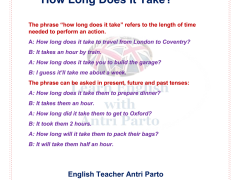
how long
🇬🇧/haʊ lɒŋ/ 🇺🇸/haʊ lɔːŋ/noun [专属名词] 多久:用于询问时间长度或持续时间。
How long will the flight take? 此次航班将飞行多长时间?
since
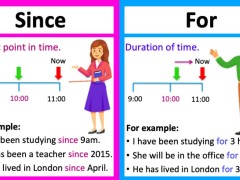
/sɪns/preposition [时间介词] 自…以后,自…以来;(表示气愤)何曾,什么时候
We've lived here since 1994. 自1994年以来我们一直住在这里。
conjunction [并列连词] 在…以后,自…以来;因为,由于,既然
I'm forever on a diet, since I put on weight easily. 我一直在节食,因为我的体重很容易增加。
adverb [时间副词] 自…以后,自…以来;此后,后来
About six thousand people were arrested, several hundred of whom have since been released. 约六千人被逮捕,不过他们中有几百人后来被释放了。
与 “since” 相关联的词汇
adverb [疑问副词] (用于问句)为什么,为何;(反问,表示不必)何必;…的原因;为什么(不);为什么(表生气或恼火)
Why have you marked this wrong? 你为什么把这个问题判错了呢?
noun [抽象名词] 理由,原因
Explain why you didn't telephone. 解释一下你为什么不打电话的原因。
interjection [惊讶] 哎呀
'I wonder why?' she mused. “我真想知道这是为什么呀?”她若有所思地说道。
与 “why” 相关联的词汇
verb [vt. 及物动词] 出让,转让;出售,售卖;以…价钱出售;促销,推销;有销路;说服,使接受;<古> 出卖,做交易;<古> 欺骗;用以销售(一定数量)
If you sell something that you own, you let someone have it in return for money. 卖 Catlin sold the paintings to Philadelphia industrialist Joseph Harrison. 卡特林把这些画卖给了费城实业家约瑟夫·哈里森。
noun [抽象名词] <非正式> 销售,出售;推销品,销售品;<非正式> 让人失望的东西;推销术
If a shop sells a particular thing, it is available for people to buy there. 出售; 经销 They sell hard-core pornography. 他们出售赤裸裸的色情物品。

与 “sell” 相关联的词汇
because
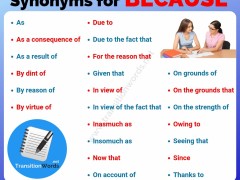
🇬🇧/bɪˈkəz; bɪˈkɒz/ 🇺🇸/bɪˈkəz, bɪˈkɔːz/conjunction [关联连词] (说明原因)因为,由于;(作出解释)因为
He is called Mitch, because his name is Mitchell. 他被叫做米奇,因为他的名字是米切尔。
与 “because” 相关联的词汇
retire
🇬🇧/rɪˈtaɪə(r)/ 🇺🇸/rɪˈtaɪər/verb [vi. 不及物动词] (令)退职,(使)退休;(专业运动员)退役;(因受伤、生病而)退出比赛;使(击球手)出局;<正式> 退出,离开(去安静的地方);<文> 睡觉,就寝;(陪审团)退庭表决;<正式>(军队)撤退;命令(部队)撤退;停止使用,使报废;收回(票据,纸币),使停止流通;清偿,付清(债务)
At the age when most people retire, he is ready to face a new career. 在大多数人退休的年纪,他准备要面对一项新事业。
noun [抽象名词] 退休,退隐
He is to retire on his sixtieth birthday. 他将在60岁生日时退休。
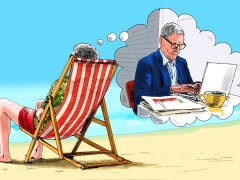
与 “retire” 相关联的词汇
tire
🇬🇧/ˈtaɪə(r)/ 🇺🇸/ˈtaɪər/verb [vt. 及物动词] (使)感到累,(使)感到疲劳;厌倦,厌烦
If driving tires you, take the train. 如果开车使你感到疲劳,那就坐火车吧。
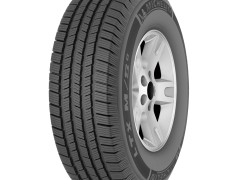
noun [专属名词] <美>轮胎(同 tyre);头饰
A tire is a thick piece of rubber which is fitted onto the wheels of vehicles such as cars, buses, and bicycles. 轮胎
与 “tire” 相关联的词汇
cost
🇬🇧/kɒst/ 🇺🇸/kɔːst/noun [抽象名词] 价钱,费用;成本,开支;代价,损失;诉讼费用
The cost of a loaf of bread has increased five-fold. 一块面包的价格已经涨了5倍。
verb [vi. 不及物动词] 价钱为,需花费;估算成本,估价;使丧失,使损失;使付出努力,使做不愉快的事;<非正式>使花许多钱
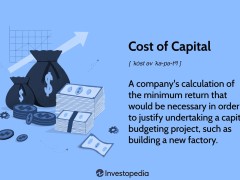
If something costs a particular amount of money, you can buy, do, or make it for that amount. 要价 • This course is limited to 12 people and costs $150. 这门课程限招12人,费用为$150。
与 “cost” 相关联的词汇
pound
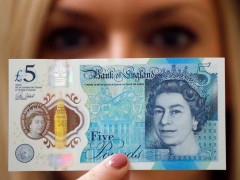
/paʊnd/noun [专属名词] 磅(重量单位);英镑(英国货币单位);一英镑纸币(或硬币),一镑纸币(或硬币);英镑与外币的比值(the pound);(流浪猫狗的)收留所,待领场;(违规停放车辆的)临时扣押场;镑
They cost two dollars a pound. 这些东西每磅两元。
verb [vi. 不及物动词] 连续重击,猛打;(心脏)剧烈地跳动;(头)剧痛;脚步声沉重地走(跑);连续轰炸,猛烈袭击;捣碎,击碎;长时间苦干;<美,非正式> 快速地喝;<非正式> 彻底打败(对手);大声播放;监禁,拘留
You were never a ninety-eight pound weakling. 你从来都不是那种体重只有 98 磅的软弱无能之人。
与 “pound” 相关联的词汇
worth
🇬🇧/wɜːθ/ 🇺🇸/wɜːrθ/adjective [原级] 价值…的,值…钱的;值得的,具有…价值的;拥有…财产的;(尤指合同)毫无价值的
They weren't worth four bits. 它们不值50美分了。
noun [抽象名词] 价格,价值;重要性,作用;能用(一个星期、一个月等)的东西
How much is this painting worth? 这幅画值多少钱?
preposition [其他介词] 价值…;值得
That ring must be worth a fortune. 那枚戒指肯定价值不菲。

与 “worth” 相关联的词汇
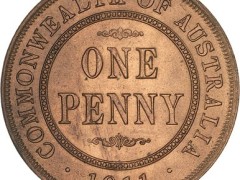
noun [专属名词] 便士(英国货币单位,100便士等于1英镑);便士(英国1971年前使用的硬币,12便士等于1先令);分(美国和加拿大货币单位);一小笔钱(pennies);一分一毫(用于强调没钱)(a penny);迪纳里厄斯(古罗马的金币或银币)
Unleaded petrol rose more than a penny a gallon. 无铅汽油每加仑涨了一个多便士。
与 “penny” 相关联的词汇
cent
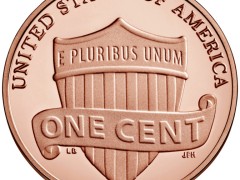
/sent/noun [专属名词] 分(美元、欧元等的货币单位);<非正式>小钱;<非正式>分毫(用来强调没钱);(乐)音分
I still don't feel a hundred per cent. 我还是觉得有些不舒服。
与 “cent” 相关联的词汇
noun [抽象名词] 出售,销售;销售额(sales);销售活动,(尤指)拍卖;降价出售,大减价;销售部门(sales);销售业务,销售工作(sales)
A sale is an occasion when a shop sells things at less than their normal price. 减价出售