commonplace [ˈkɔmənpleis] adj. 平凡的
【例】Sometimes the commonplace things are what people want.
有时候那些不起眼的东西才是人们想要的。
【扩】characterless 平凡的,无特征的
aberrant [æˈberənt] adj. 脱离常轨的,异常的
trivial [ˈtriviəl] adj. 微不足道的
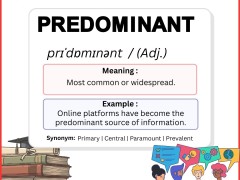
predominant [priˈdɔminənt] adj. 占优势的,起支配作用的
【派】predominantly 主要地
【扩】regnant 占优势的,占支配地位的
* * *
A: Which do you think is the predominant partner of them two?
B: I'm afraid I don't know.
A:你看他们俩之中谁占支配地位?
B:恐怕我不知道。
* * *
manifest [ˈmænifest] adj. 明显的
【扩】palpable 明显的,易察觉的 evident 明显的,明白的
* * *
A: Fear was manifest on his face.
B: Do you mean he is the real murderer?
A:他脸上显露出恐惧的神色。
B:你是说他才是真正的凶手?
* * *
pristine [ˈpristiːn] adj. 纯洁的,质朴的
【扩】unvarnished 质朴的,无修饰的
* * *
A: She tells stories with pristine language in the book.
B: It must be very touching.
A:她在书中用质朴的语言讲述着一个个的故事。
B:那一定很动人。
* * *
stereotype [ˈsteriətaip] n. 陈规
【例】He doesn't conform to the usual stereotype of the city businessman.
他不是典型城市商人的那个样子。
vernacular [vəˈnækjulə] n. 方言
【扩】dialect 方言 localism 方言
* * *
A: It's forbidden to communicate with vernacular here.
B: Sorry, I didn't know it before.
A:在这儿不许用方言交谈。
B:对不起,我之前并不知道这一点。
* * *
accommodation [əˌkɔməˈdeiʃn] n. 适应
【例】We have to make an accommodation to the wartime condition then.
我们那时候必须适应战时的条件。
incumbent [inˈkʌmbənt] adj. 义不容辞的,有责任的
【扩】bounden 必须负担的 responsible 有责任的
【搭】be incumbent on sb. to do sth. 某人有责任做某事
* * *
A: It's incumbent on you to warn them.
B: But I can't get in touch with them now.
A:你有责任告诫他们。
B:但是我现在联系不上他们。
* * *
preliminary [priˈliminəri] adj. 初步的
【搭】preliminary to 在……之前
【例】Our preliminary research only covered existing users of our products.
我们的初步调研只是在产品现有的用户中进行。
proposition [ˌprɔpəˈziʃən] n. 主张
【扩】viewpoint 主张,看法 assertion 主张,论断
【搭】a tough proposition 一件棘手的事情
* * *
A: It's not an easy proposition.
B: But nobody knows how to deal with it except you.
A:这件事不好办啊。
B:但是除了你没有人知道怎么处理啊。
* * *
preference [ˈprefərəns] n. 优先(权)
* * *
A: The elder son has preference over the younger one.
B: I think it's unfair.
A:长子较之非长子享有优先权。
B:我认为这不公平。
* * *
controversial [ˌkɔntrəˈvəːʃəl] adj. 引起争论的
【扩】moot 有争议的,未决的
* * *
A: Do you have anything to be discussed?
B: Yes, the most controversial issue is the overtime pay.
A:你们还有什么要讨论的问题吗?
B:是的,最具争议性的话题是加班费。
* * *
cactus [ˈkæktəs] n. 仙人掌
termite [ˈtəːmait] n. 白蚁
nebula [ˈnebjulə] n. 星云
variant [ˈveəriənt] adj. 不同的
【扩】varying 不同的
【搭】a variant form of a word 异体字
* * *
A: You must pay attention to the variant spellings of the words.
B: I will be careful when I read them.
A:你要注意这些单词不同的拼法。
B:看到它们的时候我会小心的。
* * *
barbarian [bɑːˈbeəriən] n. 野蛮人
pagan [ˈpeiɡən] n. 异教徒
sophisticated [səˈfistikeitid] adj. 老练的
【扩】veteran 老练的 tactful 老练的
【反】unsophisticated 单纯的
* * *
A: You look very sophisticated in the suit.
B: The tailor makes the man.
A:你穿上这套西装看起来非常老练。
B:人靠衣装嘛!
* * *
premise [ˈpremis] n. 前提
【派】premises 营业场所
【搭】on the premise of 在……的前提下
* * *
A: We must act on the premise that the worst thing might happen.
B: OK. I will notice everyone to get prepared for it.
A:我们必须在可能发生最坏事情的前提下行动。
B:好的,我会通知每一个人都做好准备的。
* * *
supernatural [ˌsuːpəˈnætʃərəl] adj. 超自然的
commonplace
🇬🇧/ˈkɒmənpleɪs/ 🇺🇸/ˈkɑːmənpleɪs/adjective [原级] 平凡的,不足为奇的;平庸的,陈腐的
Inter-racial marriages have become commonplace. 不同种族间的通婚已经变得很常见。
noun [具体名词] 司空见惯的事,常见的东西;老生常谈,陈词滥调
Simpson's much vaunted discoveries are in fact commonplace in modern sociology. 辛普森的那些被过分称赞的发现在现代社会学中实际上是老生常谈。
与 “commonplace” 相关联的词汇
adjective [原级] 异常的;畸变的;脱离常轨的;迷乱的
Ian's rages and aberrant behaviour worsened. 伊恩的盛怒和变态行为愈演愈烈。

与 “aberrant” 相关联的词汇
trivial
/ˈtrɪviəl/adjective [原级] 琐碎的,不重要的;容易解决的,不费吹灰之力的;(人)务小的,浅薄的;(数学)平凡的
The director tried to wave aside these issues as trivial details that could be settled later. 那位主任对这些问题置之不理,视它们为可以后解决的无关紧要的细节。

与 “trivial” 相关联的词汇
adjective [原级] 明显的;占主导地位的,占支配地位的
In Greece, rhododendrons and oleander bloom only in springtime, when they are the predominant sources of nectar. 在希腊,杜鹃花和夹竹桃只在春天开花,那时它们是花蜜的主要来源。
与 “predominant” 相关联的词汇
manifest
/ˈmænɪfest/verb [vt. 及物动词] 显示,表明;(鬼魂或神灵)显灵,出现;(病症)显现;把…列入货单
If you manifest a particular quality, feeling, or illness, or if it manifests itself, it becomes visible or obvious. 显现出
adjective [原级] 明显的,显而易见的
Manifest is also an adjective. 显现出的 • The same alarm is manifest everywhere. 同样的恐慌在各地都已出现。
noun [集合/集体] 旅客名单,载货清单;货运列车编组清单
Your first edit is to the manifest file. 首先要编辑的是清单文件。

与 “manifest” 相关联的词汇
adjective [原级] 整洁的,崭新的;未受损害的,处于原始状态的;正派的,正直的
Krill fishing in the Antarctic has worsened the pollution of the pristine waters. 南极的磷虾捕捞加剧了对原始水域的污染。
与 “pristine” 相关联的词汇
stereotype
/ˈsteriətaɪp/noun [专属名词] 模式化的思想,老一套;公式化人物;铅版,铅版浇铸,铅版印刷
There's always been a stereotype about successful businessmen. 对成功的商人们总有一种成见。
verb [vt. 及物动词] 对……形成刻板的看法,(尤指)对……有成见;使用铅版
He was stereotyped by some as a renegade. 他被一些人带着成见视为一名叛逆者。
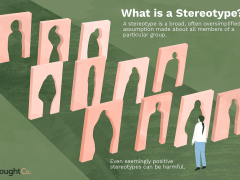
与 “stereotype” 相关联的词汇
vernacular
🇬🇧/vəˈnækjələ(r)/ 🇺🇸/vərˈnækjələr/noun [专属名词] 本地话,方言;(建筑的)民间风格;<非正式>行话,术语;动植物的俗名
...books or plays written in the vernacular. …用此方言写的一些书或剧本。
adjective [原级] 方言的,本地语的;(建筑)民间风格的;(艺术的)民间风俗的
Worst of all, for a playwright specializing in characters who use the vernacular, he has a tin ear for dialogue. 最糟的是,作为一个专门刻画使用方言人物的剧作家,他在对话方面没有鉴赏力。

与 “vernacular” 相关联的词汇
accommodation
🇬🇧/əˌkɒməˈdeɪʃ(ə)n/ 🇺🇸/əˌkɑːməˈdeɪʃ(ə)n/noun [专属名词] <美>住宿,膳宿;<英>住处,办公处,停留处;(楼房或交通工具内的)空间,座位;和解,调和;(通过改变眼球晶状体形状)自动调焦
The government will provide temporary accommodation for up to three thousand homeless people. 政府将为多达三千无家可归的人提供临时住所。

与 “accommodation” 相关联的词汇
adjective [原级] 在职的,现任的;职责所在的,义不容辞的;(公司)占市场份额大的
...the only candidate who defeated an incumbent senator. …惟一击败了现任参议员的候选人。
noun [专属名词] 在职者,现任官员;教区牧师,领圣俸者
In general, incumbents have a 94 percent chance of being re-elected. 一般情况下,现任官员有94%的几率会再次当选。
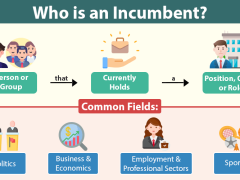
与 “incumbent” 相关联的词汇
preliminary
🇬🇧/prɪˈlɪmɪnəri/ 🇺🇸/prɪˈlɪmɪneri/adjective [原级] 初步的,预备的
Preliminary results show the Republican Party with 11 percent of the vote. 初步结果显示共和党得到11%的选票。
noun [抽象名词] 初步行动,准备工作;预赛,预试
You all know why I am here. So I won't waste time on preliminaries. 你们都知道我为什么在这里。所以我就不浪费时间讲客套话了。
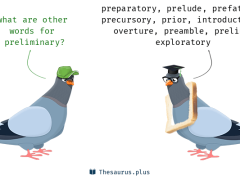
与 “preliminary” 相关联的词汇
proposition
🇬🇧/ˌprɒpəˈzɪʃ(ə)n/ 🇺🇸/ˌprɑːpəˈzɪʃ(ə)n/noun [抽象名词] 主张,观点;(尤指商业或政治上的)提议,建议;(美国的)法律修正案;欲做的事,待处理的问题;(数学或逻辑)命题;(尤指被视作有冒犯性的)性交提议,求欢
Making easy money has always been an attractive proposition. 轻轻松松地赚钱一直是令人向往的事。
verb [vt. 及物动词] 向(某人)提议;(尤指冒犯地)提出与……性交,向……求欢
As a business proposition, it's a non-starter. 作为一份商业建议,它不可能取得成功。
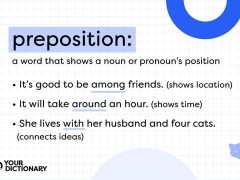
与 “proposition” 相关联的词汇
controversial
🇬🇧/ˌkɒntrəˈvɜːʃ(ə)l/ 🇺🇸/ˌkɑːntrəˈvɜːrʃ(ə)l/adjective [原级] 有争议的,引发争论的
Immigration is a controversial issue in many countries. 移民在很多国家都是一个有争议的问题。
与 “controversial” 相关联的词汇
cactus
/ˈkæktəs/noun [专属名词] 仙人掌科植物,仙人掌
Don't water the cactus every day. 仙人掌不要每天浇水。

与 “cactus” 相关联的词汇
termite
🇬🇧/ˈtɜːmaɪt/ 🇺🇸/ˈtɜːrmaɪt/noun [专属名词] [昆] 白蚁
When the next termite finds that grain, they drop theirs too. 当下一只白蚁发现那粒谷粒时,它们也会扔下它们的谷粒。
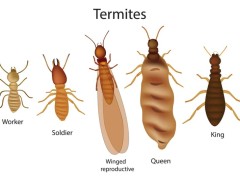
与 “termite” 相关联的词汇
nebula
/ˈnebjələ/noun [专属名词] 星云;角膜云翳
As the nebula collapsed caused by its gravity, it spun faster and flattened into a disk. 当星云因其重力而坍缩时,它旋转得更快,并压扁成一个盘状。

与 “nebula” 相关联的词汇
variant
🇬🇧/ˈveəriənt/ 🇺🇸/ˈveriənt/noun [抽象名词] 变种,变形;(单词拼写或读音的)变异,变体
The ASCOD features a Lockheed-designed turret for the Scout variant. ASCOD 机械化步兵战车具有由洛克希德设计的 Scout 侦察车变型炮塔的特征。
adjective [原级] 不同的,变体的,变种的
It does, however, have earlier origins in other senses. It is a variant of hallo, which dates to 1840 and is a cry of surprise. 然而,它确实在其他意义上有更早的起源。它是hallo的变体,可追溯到1840年,是一种表示惊讶的叫声。

与 “variant” 相关联的词汇
barbarian
🇬🇧/bɑːˈbeəriən/ 🇺🇸/bɑːrˈberiən/noun [专属名词] 野蛮人;未开化的人;无教养的人
The Roman Empire was overrun by Nordic barbarians. 罗马帝国被北欧蛮族推翻了。
adjective [原级] 野蛮的;未开化的
We need to fight this barbarian attitude to science. 我们需要向这种对待科学的野蛮态度作斗争。

与 “barbarian” 相关联的词汇
pagan
/ˈpeɪɡən/noun [专属名词] 异教徒(信非主流宗教者);非基督教徒;新异教主义者;无宗教信仰者
The pagans used torchlight parades and bonfires to celebrate important events. 异教徒们用火把游行和篝火来庆祝重大的事件。
adjective [原级] 异教的,异教徒的
The Christian church has adapted many pagan ideas over the centuries. 几个世纪以来,基督教会已经采用并改编许多异教思想。
noun [专属名词] (Pagan)(美、爱)帕干(人名)
We can speculate that the stone circles were used in some sort of pagan ceremony. 我们可以推测,这些石头排成的圆圈是用于某种异教崇拜仪式的。
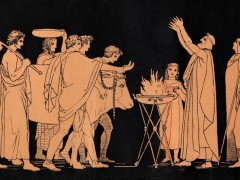
与 “pagan” 相关联的词汇
sophistication
/səˌfɪstɪˈkeɪʃn/noun [抽象名词] 精明老练;(人的)高度文化修养;(机器、方法的)精密,复杂,先进;诡辩
It would take many decades to build up the level of education and sophistication required. 要花好几十年的时间来逐步达到所需要的教育和发展水平。
与 “sophistication” 相关联的词汇
premise
/ˈpremɪs/noun [抽象名词] 前提,假设;(企业或机构使用的)房屋及土地(premises);上述各项
A premise is something that you suppose is true and that you use as a basis for developing an idea. 前提
verb [vt. 及物动词] 以…为基础,以…为前提;预先提出,事先提到;<古>声明,说明
His reasoning is based on the premise that all people are equally capable of good and evil. 他的推理是以人可以为善亦可以为恶为前提的。

与 “premise” 相关联的词汇
supernatural
🇬🇧/ˌsuːpəˈnætʃrəl; ˌsjuːpəˈnætʃrəl/ 🇺🇸/ˌsuːpərˈnætʃrəl/adjective [原级] 超自然的;神奇的,不可思议的
The Nakani were evil spirits who looked like humans and possessed supernatural powers. 纳卡尼是恶魔,看起来像人类,却具有超自然力量。
noun [抽象名词] 超自然现象;不可思议的事
He writes short stories with a touch of the supernatural. 他写带点儿超自然物的短篇故事。

与 “supernatural” 相关联的词汇
preferential
/ˌprefəˈrenʃ(ə)l/adjective [原级] 优先的,优待的,优惠的;(投票,选举)表明选择顺序的;(债权人)要求债务人优先偿还的
Offering preferential treatment to wealthy countries. 向富裕国家提供优惠待遇。