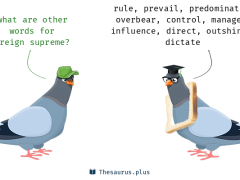
supreme [suːˈpriːm] adj. 首屈一指的
【派】The decision of the Supreme Court shall not be appealed against.
最高法院的判决不容上诉。
【扩】endville 首屈一指的
protagonist [prəuˈtæɡənist] n. 主角
outlaw [ˈautlɔː] n. 逃犯,亡命之徒
【构】out(在……之外的)+law(法律)=outlaw(逃犯)
【例】The outlaw was caught by the police again.
逃犯再次被警察给抓住了。
【扩】lamster 逃犯
frame [freim] v. 陷害
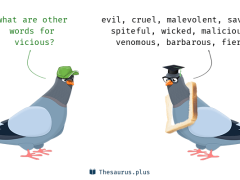
vicious [ˈviʃəs] adj. 恶毒的
【派】viciousness 邪恶
【扩】malicious 恶毒的
* * *
A: That's a vicious smear.
B: I hope so, because I don't want to lose such a good assistant like you.
A:那是恶意中伤。
B:我也希望如此,因为我不想失去一个像你这么优秀的助手。
* * *
mythology [miˈθɔlədʒi] n. 神话
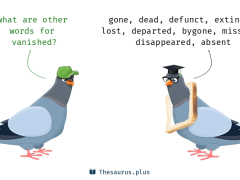
vanish [ˈvæniʃ] v. 消失
【派】vanished 消失了的
【扩】disappear 消失 evanish 消失
* * *
A: Everyone of us should protect the environment.
B: Yes, or more and more animals will vanish from the earth.
A:我们每个人都应该保护环境。
B:是的,不然将有更多种类的动物从地球上消失。
* * *
absurdly [əbˈsəːdli] adv. 荒诞地
arena [əˈriːnə] n. 竞技场地
encroaching [inˈkrəutʃiŋ] adj. 渐渐渗入的
Indian [ˈindiən] n. 印第安人
bewilder [biˈwildə] v. 使手足无措
alien [ˈeiliən] adj. 外来的
taboo [təˈbuː] n. 戒律
* * *
A: In our country the subject is taboo.
B: Why? It's only a common subject.
A:在我们国家,这个话题是被禁止谈论的。
B:为什么?这只是一个很普通的话题。
* * *
disinherit [ˌdisinˈherit] v. 剥夺……继承权
undeclared [ˌʌndiˈklɛəd] adj. 未经宣布的
【扩】unannounced 未经宣布的
【搭】an undeclared war 未经宣布的战争
* * *
A: This is a piece of undeclared news.
B: Then how did you know it?
A:这是一条未经宣布的消息。
B:那你是怎么知道的呢?
* * *
hypocrisy [hiˈpɔkrisi] n. 伪善
【例】His hypocrisy makes me sick.
我很讨厌他那么虚伪。
chicanery [ʃiˈkeinəri] n. 诈骗
impending [imˈpendiŋ] adj. 迫近的,迫在眉睫的
【扩】impendent 迫近的,即将发生的
* * *
A: I'm worried about the impending examination.
B: If I were you, I would go reading.
A:我很担心即将到来的考试。
B:如果我是你,我会选择去看书。
* * *
immolation [ˌiməuˈleiʃən] n. 杀戮
code [kəud] n. 准则
【扩】criterion 准则 guideline 准则
【搭】moral code 道德准则
* * *
A: What is your dress code?
B: Ladies should wear dresses.
A:着装有什么规定吗?
B:女性必须穿礼服。
supreme
🇬🇧/suːˈpriːm; sjuːˈpriːm/ 🇺🇸/suˈpriːm/adjective [最高级] 最高的,至高无上的;(政府、司法或军事机构)拥有最高权力的;极大的,极度的;(处罚,牺牲)涉及死的;杰出的
MacArthur was Supreme Commander for the allied powers in the Pacific. 麦克阿瑟是太平洋盟军的最高司令官。
noun [具体名词] 奶油沙司
Ascension Island is a supreme example. 阿森松岛就是一个最好的例子。
verb [vt. 及物动词] 用工具处理水果(尤指柑橘类)以达到最佳效果
They took their appeal to the Supreme Court. 他们上诉到了最高法院。
与 “supreme” 相关联的词汇
protagonist
/prəˈtæɡənɪst/noun [抽象名词] <正式>(戏剧、电影、小说等的)主人公;<正式> (比赛、斗争中的)主要人物,主要参与者;<正式> (政策、运动的)倡导者,拥护者
A protagonist in a play, novel, or real event is one of the main people in it. (戏剧、小说或真实事件里的) 主人公

与 “protagonist” 相关联的词汇
noun [专属名词] 不法之徒,逃犯;<史>被剥夺法律权益和保护者
Jesse was an outlaw, a bandit, a criminal. 杰西曾是个逃犯、土匪、罪犯。
verb [vt. 及物动词] 使非法,禁止,取缔;(旧时)剥夺(某人的)法律权益
The German government has outlawed some fascist groups. 德国政府已宣布一些法西斯团体为非法。
noun [专属名词] 【名】 (Outlaw)(美)奥特洛(人名)
Art thou indeed that famous outlaw? 你真的是那个有名的绿林好汉吗?

与 “outlaw” 相关联的词汇
framed
/freɪmd/adjective [原级] 遭到陷害的;(图画)放在框中的;(建筑物)以某种材料为其结构的
The photograph had been framed. 照片已镶了框。
verb [vt. 及物动词] 制订;建造;给……做框;(非正式)作伪证陷害;(以某种方式)表达;勾勒出明显的形象(frame 的过去式和过去分词)
The picture is now ready to be mounted and framed. 这幅画现在可以装裱、配框了。

与 “framed” 相关联的词汇
adjective [原级] 凶险的,会造成伤害的;严厉的,恶毒的,恶意的;剧烈的,恶劣的;<文>不道德的,罪恶的;<古>(语言,推理)不完善的,谬误的
He suffered a vicious attack by a gang of white youths. 他遭到了一帮白人青年凶残的攻击。
noun [专属名词] 【名】 (Vicious)(英)维舍斯(人名)
It is a deliberate, nasty and vicious attack on a young man's character. 这是对一位青年的人格蓄意的、下流的和恶毒的攻击。
与 “vicious” 相关联的词汇
mythology
🇬🇧/mɪˈθɒlədʒi/ 🇺🇸/mɪˈθɑːlədʒi/noun [集合/集体] 神话,神话故事;错误的信念,谬误;神话学
You can use mythology to refer to the beliefs or opinions that people have about something, when you think that they are false or untrue. 神话

与 “mythology” 相关联的词汇
vanished
🇬🇧/ˈvænɪʃd/ 🇺🇸/ˈvænɪʃt/verb [vt. 及物动词] 突然不见,消失;不复存在,灭绝(vanish 的过去式和过去分词)
He vanished without trace. 他消失得无影无踪。
与 “vanished” 相关联的词汇
absurdly
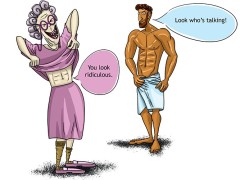
🇬🇧/əbˈsɜːdli/ 🇺🇸/əbˈsɜːrdli/adverb [方式副词] 出奇地,荒谬地
Prices were still absurdly low, in his opinion. 在他看来,价格依然低得荒谬。
与 “absurdly” 相关联的词汇
arena
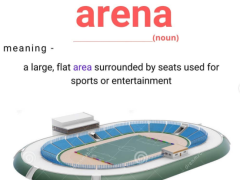
/əˈriːnə/noun [专属名词] 竞技场,圆形剧场;斗争场所,活动舞台
A 20,000-seat arena with a retractable roof is planned. 一个可容纳2万名观众、带伸缩顶棚的竞技场正在规划中。
noun [专属名词] 【名】 (Arena)(英)阿里纳,(意、西、葡、德)阿雷纳(人名)
This is an arena for gladiators only, for the Titans of the track. 这是个仅为勇士而且是仅为此行里的大力士勇士所设的竞技场。
与 “arena” 相关联的词汇
encroaching
/ɪnˈkrəʊtʃɪŋ/adjective [原级] 渐渐渗入的
On the one hand, many animals are under pressure from human activity encroaching on their traditional living spaces. 一方面,许多动物承受着人类活动侵占它们传统生存空间的压力。
与 “encroaching” 相关联的词汇
Indian
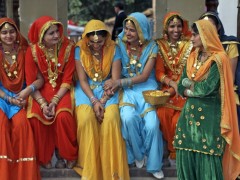
/ˈɪndiən/adjective [原级] 印度的;印度人的;印度语的;印度文化的;印第安人的;印第安语的
She was got up as an Indian princess. 她被打扮成了印度公主。
noun [专属名词] 印度人;印度后裔;(美洲)印第安人;(非因纽特人或米提人的)加拿大土著;(非正式)印度餐,印度餐馆;印第安语;印第安星座
Chapattis are a kind of flat Indian bread. chapatti 是一种印度薄饼。
与 “Indian” 相关联的词汇
bewilder
🇬🇧/bɪˈwɪldə(r)/ 🇺🇸/bɪˈwɪldər/verb [vt. 及物动词] 使迷惑,使糊涂、令人眼花缭乱,晕头转向
The silence from Alex had hurt and bewildered her. 亚历克斯的沉默令她伤心和迷惑不解。Big city traffic bewildered the country girl.
与 “bewilder” 相关联的词汇
alien
/ˈeɪliən/adjective [原级] 陌生的;外国的,异域的;与外星人有关的,与地球外有关的;(植物或动物种类)外来的;不相容的,格格不入的 (alien to)
He said they were opposed to what he described as the presence of alien forces in the region. 他说他们反对他所描述的在该地区有外国军队的存在。
noun [集合/集体] 外国人,侨民;外星人(或生物);(植物或动物种类)外国引进品种
Both women had hired illegal aliens for child care. 这两个女人都雇佣了非法入境者来照看孩子。
verb [vt. 及物动词] 让渡,转让
Such an attitude is alien to most businessmen. 这种态度对大多数商人都很陌生。

与 “alien” 相关联的词汇
taboo
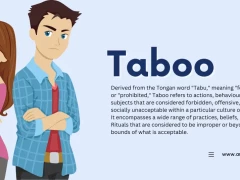
/təˈbuː/noun [抽象名词] (宗教或社会习俗方面的)禁忌,忌讳;禁忌的事物,禁忌行为(或做法);塔布
The topic of addiction remains something of a taboo in our family. 毒瘾在我们家依然是个有些忌讳的话题。
adjective [原级] 忌讳的,为社会习俗所不容的,不被人接受的;(因会冒犯人或引起尴尬而)禁忌的,忌讳的;(因太神圣或太邪恶而)禁止接触的,禁止使用的
Cancer is a taboo subject and people are frightened or embarrassed to talk openly about it. 癌症是个禁忌的话题,人们对公开谈论它感到害怕或尴尬。
verb [vt. 及物动词] vt. 把……列为禁忌
Her brisk treatment of an almost taboo subject was a breath of fresh air. 她对一个几乎是禁忌话题的干脆处理令人耳目一新。
disinherit
/ˌdɪsɪnˈherɪt/verb [vt. 及物动词] vt. 剥夺……的继承权(过去式 disinherited, 过去分词 disinherited, 现在分词 disinheriting, 第三人称单数 disinherits, 名词 disinheritance)
He threatened to disinherit her if she refused to obey. 他威胁说,若是她不服从就剥夺她的财产继承权。
与 “disinherit” 相关联的词汇
adjective [原级] 未申报的;未经宣布的
No income should remain undeclared. 一切收入均应申报。
与 “undeclared” 相关联的词汇
hypocrisy
🇬🇧/hɪˈpɒkrəsi/ 🇺🇸/hɪˈpɑːkrəsi/noun [抽象名词] 虚伪,伪善
He accused newspapers of hypocrisy in their treatment of the story. 他指责报纸在处理这篇报道时所表现出的虚伪。
与 “hypocrisy” 相关联的词汇
noun [抽象名词] 狡辩;欺骗;强词夺理
They may yet turn up some chicanery. 他们也许不过是一些强词夺理。

adjective [原级] 即将发生的,逼近的;悬挂的
On the morning of the expedition, I awoke with a feeling of impending disaster. 远征出发的那天早上,我醒来就有一种大难临头的感觉。
verb [vt. 及物动词] 迫近;(坏事)隐现;悬而未决(impend 的现在分词)
If the EEG device can be found to be consistent with changes in brain activity observed by researchers, then a hat to warn of impending errors may become a reality. 如果脑电图装置能被发现与研究者观测的的大脑活动改变相符合,那么一个帽子能预警即将发生的错误可能会成为现实。

与 “impending” 相关联的词汇
noun [专属名词] 祭物,供奉牲礼;宰杀,祭品
Immolation Arrow - Increasedbase duration by 33%. 牺牲之箭-基期增加了33%。
与 “immolation” 相关联的词汇
code
🇬🇧/kəʊd/ 🇺🇸/koʊd/noun [专属名词] 密码,暗码;(邮政)编码,(电话)区号;(计算机)编码;道德准则,行为规范;法典,法规
He punched in the security code. 他把密码输入电脑。
verb [vt. 及物动词] 把……编码(或编号);把……译成密码;(给计算机)编写指令
He devised a way of coding every statement uniquely. 他设计出一种把每句话进行独特编码的方法。
noun [专属名词] 【名】 (Code)(英、法、西)科德(人名)
Brian keyed in his personal code. 布赖恩键入了他的个人密码。