
saliva [səˈlaivə] n. 唾液
digestive [daiˈdʒestiv] adj. 助消化的
【扩】eupeptic 助消化的
* * *
A: I have a cup of black tea every morning. It's said to be good for the health.
B: Yeah, tea is digestive and refreshing during the summertime heat.
A:我每天早上都喝一杯红茶,据说喝茶对身体很好。
B:嗯,喝茶可以帮助消化,提神,解暑。
* * *
defy [diˈfai] v. 使不可能
analyse [ˈænəlaiz] v. 分析
【扩】analyze 分析,研究 assay 分析,化验
【搭】make an analyse of 分析 in the final analyse 经过最后分析认为……
* * *
A: I've been analysing our sales figures over the past few years, and it seems to me that we should set up agencies in new areas where there is a great demand for our sort of travel services.
B: I think you're a bit quick with your conclusion there.
A:通过分析过去几年的销售额,我认为应该在对旅行服务需求较大的新地区建立代理点。
B:我认为您结论下得过早了。
* * *
prey [prei] n. 被捕食的动物
fierce [fiəs] adj. 凶猛的
【派】fiercely 凶猛地
【扩】lupine 凶猛的 scaddle 凶猛的
* * *
A: My dog may look fierce but it is docile.
B: I think I still like cats more.
A:我的狗看起来样子很凶,其实很温顺.
B:我想我还是更喜欢猫。
* * *
tussle [ˈtʌsəl] v. 扭打
carnivore [ˈkɑːnivɔː] n. 食肉动物
vertebrate [ˈvəːtibreit] n. 脊椎动物
lizard [ˈlizəd] n. 蜥蜴
concoct [kənˈkɔkt] v. 调制
【派】concoctive 调和的
* * *
A: I gave her a tip on how to concoct a new kind of soup this morning.
B: No wonder she asked me to have dinner with her tonight.
A:我今天早上教了她配制一种新汤的诀窍。
B:难怪她让我今天晚上跟她一起吃饭。
* * *
potent [ˈpəutənt] adj. 效力大的
conversion [kənˈvəːʃən] n. 转变
【扩】transition 转变
* * *
A: The rates could become lower by the time the automatic conversion is made.
B: Can you improve it?
A:在自动转变的时候,转换比例可能更低。
B:你们能改进吗?
* * *
arsenic [ˈɑːsənik] n. 砒霜
strychnine [ˈstrikniːn] n. 马钱子碱
mamba [ˈmɑːmbə] n. 树眼镜蛇
cobra [ˈkəubrə] n. 眼镜蛇
venom [ˈvenəm] n. 毒液
【扩】poison 毒药,毒液
* * *
A: The snake will inject the venom immediately after biting its prey.
B: It's really a dangerous animal.
A:毒蛇咬住猎物之后马上注入毒液。
B:它可真是一种危险的动物啊。
* * *
neurotoxic [ˌnjuərəuˈtɔksik] adj. 毒害神经的
viper [ˈvaipə] n. 蝰蛇
rattlesnake [ˈrætlsneik] n. 响尾蛇
haemolytic [ˌhiːməuˈlitik] adj. 溶血性的
viperine [ˈvaipərin] adj. 毒蛇的
saliva
/səˈlaɪvə/noun [物质名词] 唾液,涎
He noticed a lot of saliva settling in his mouth. 他注意到有很多唾液滞留在他的嘴里。
noun [专属名词] 【名】 (Saliva)(美、阿根、意、法、英)萨利瓦(人名)
Michael was showing the nurse how to suction his saliva. 迈可正演示给护士看如何吸出他的唾液。
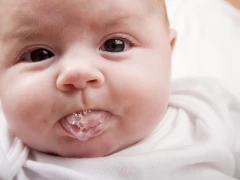
与 “saliva” 相关联的词汇
digestive
/daɪˈdʒestɪv/adjective [原级] 消化的,与消化有关的
...digestive juices that normally work on breaking down our food. …通常用于分解食物的消化液。
noun [物质名词] 助消化的食物(或药物);<英>(全麦)消化饼干
Foods are broken down in the digestive tract. 食物在消化道内被分解。
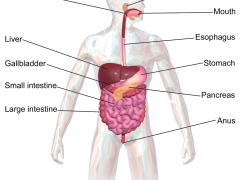
与 “digestive” 相关联的词汇
defy
/dɪˈfaɪ/verb [vt. 及物动词] 违抗,不服从;挑战,激;无法,难以(描述或理解);经受住,顶住
I wouldn't have dared to defy my teachers. 我可不敢不听老师的话。

与 “defy” 相关联的词汇
analysis
🇬🇧/əˈnæləsɪs/ 🇺🇸/əˈnæləsɪs/noun [抽象名词] 分析;化验分析;心理分析,精神分析;分析报告
Sporting greatness defies analysis – but we know it when we see it. 运动的伟大无法进行分析–但是我们一看就知道。

与 “analysis” 相关联的词汇
noun [集合/集体] 猎物,捕获物;受害者,受骗者;<古>掠夺品
Electric rays stun their prey with huge electrical discharges. 电鳐释放大量的电荷将他们的猎物击昏。
verb [vi. 不及物动词] 捕食;欺凌,坑害(尤指弱者);不断困扰,折磨
The effect was to disrupt the food chain, starving many animals and those that preyed on them. 后果是打断食物链,使许多动物和捕食它们的动物饿死。
noun [专属名词] 【名】 (Prey)(美、德、爱)普赖(人名)
The hunters stalked their prey. 猎人们隐伏跟踪猎物。
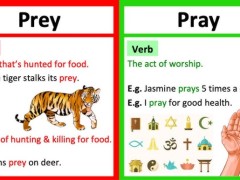
与 “prey” 相关联的词汇
adjective [原级] (动作或情感)强烈的,激烈的;(人或动物)凶猛的,狂怒的;(天气等)狂暴的,恶劣的
They look like the teeth of some fierce animal. 它们看上去像是某种猛兽的牙齿。
adverb [方式副词] <美,非正式>很,非常
He has always been ambitious and fiercely competitive. 他一直都野心勃勃,极其争强好斗。

与 “fierce” 相关联的词汇
tussle
/ˈtʌs(ə)l/noun [具体名词] 争斗,扭打;争辩
Two players were ejected after a tussle on the field. 两名球员在场上扭打后被罚出场。
verb [vt. 及物动词] 扭打;争夺
He grabbed my microphone and we tussled over that. 他抓住我的话筒,我们为此扭打起来。

与 “tussle” 相关联的词汇
noun [集合/集体] 食肉动物;喜欢吃肉的人,食肉动物(诙谐说法)
It's a gharial, perhaps the largest terrestrial carnivore ever to walk the earth, larger than T-Rex. 这是一条长吻鄂,可能是地球上有史以来最大的陆地食肉动物,比霸王龙还要大。
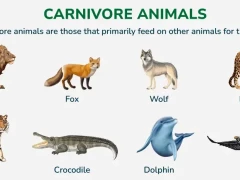
与 “carnivore” 相关联的词汇
vertebrate
🇬🇧/ˈvɜːtɪbrət/ 🇺🇸/ˈvɜːrtɪbrət/noun [专属名词] 脊椎动物
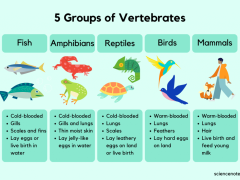
The left side of most vertebrate brains, for example, seems to process and control feeding. 例如,大多数脊椎动物的左脑似乎负责的是处理和控制进食。
adjective [原级] 脊椎动物(有关)的;有脊椎的
Thus the anaerobic energy reserves of a vertebrate are proportional to the size of the animal. 因此,脊椎动物的无氧能量储备与动物的大小成正比。
与 “vertebrate” 相关联的词汇
noun [专属名词] 蜥蜴;类蜥蜴爬行动物
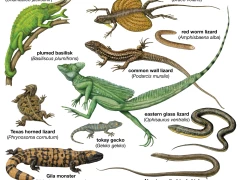
Confident in its camouflage, being the same colour as the rocks, the lizard stands still when it feels danger. 蜥蜴对自己和石头颜色相同的保护色很自信,即便感觉危险也不动。
noun [专属名词] 【名】 (Lizard)(法)利扎尔(人名)
Neither the lizard nor the glass has any secrets. 无论是蜥蜴还是玻璃,都没有任何秘密。
与 “lizard” 相关联的词汇
concoct
🇬🇧/kənˈkɒkt/ 🇺🇸/kənˈkɑːkt/verb [vt. 及物动词] vt. 编造;调制(食物或饮品)
What was the most unusual fragrance or flavor you've had to concoct? 你配制的最奇怪的香水或者香味是什么?

与 “concoct” 相关联的词汇
potency
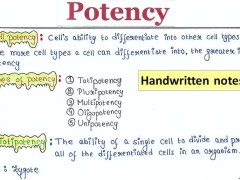
🇬🇧/ˈpəʊt(ə)nsi/ 🇺🇸/ˈpoʊt(ə)nsi/noun [抽象名词] (人、行动或思想的)影响力,支配力;(男子的)性交能力;(药物等的)效力;(遗传)潜能;发育能力
All their songs have a lingering potency. 他们所有的歌曲都有挥之不去的影响力。
与 “potency” 相关联的词汇
conversion
🇬🇧/kənˈvɜːʃ(ə)n/ 🇺🇸/kənˈvɜːrʒ(ə)n/noun [抽象名词] 转变,转换;(宗教或信仰的)改变,归附;侵权行为,非法挪用(或侵吞);改建的房屋;(达阵后的)附加得分
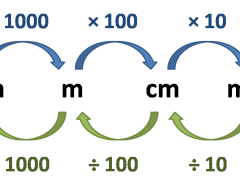
No conversion from analogue to digital data is needed. 没有必要把模拟转换为数字数据。
与 “conversion” 相关联的词汇
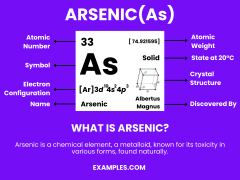
noun [物质名词] 砷;砒霜
Analysis showed that traces of arsenic were present in the body. 分析显示,尸体中有微量砒霜。
adjective [原级] 砷的;五价砷的
Indium, for example, had previously been assigned an atomic mass between those of arsenic and selenium. 例如,人们以前认为铟的原子质量介于砷和硒之间。
与 “arsenic” 相关联的词汇
strychnine
/ˈstrɪkniːn/noun [物质名词] 士的宁;番木鳖碱
Strychnine is used to kill rodents and pyrrolizidine alkaloids have significant activity against microbes. 士的宁用于杀灭啮齿动物,而吡咯里西啶类生物碱则具有较强的杀菌活性。

与 “strychnine” 相关联的词汇
mamba
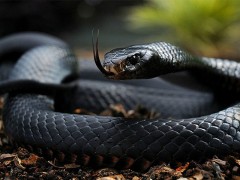
/ˈmæmbə/noun [专属名词] 树眼镜蛇(非洲有毒树蛇)
Creep up to a sleeping mamba, tweak it by the tail. 他会蹑手蹑脚的走向一条熟睡的大王蛇,扭它的尾巴。
noun [专属名词] (Mamba)人名;(刚(金)、斯威、塞内)曼巴
He called it "Mamba Spirit". 他称之为“曼巴精神”。
与 “mamba” 相关联的词汇
cobra
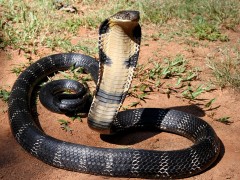
🇬🇧/ˈkəʊbrə/ 🇺🇸/ˈkoʊbrə/noun [专属名词] 眼镜蛇;(澳)头颅
The cobra sank its venomous fangs into his hand. 眼镜蛇将毒牙咬进他的手。
noun [专属名词] (Cobra)人名;(西)科夫拉;(法、意、葡)科布拉
However, it was not a full "cobra" meeting and no ministers attended. 然而,这并不是一次完整的“眼镜蛇”会议,也没有部长参加。
与 “cobra” 相关联的词汇
venom
/ˈvenəm/noun [物质名词] (蛇、昆虫等的)毒液;怨恨,恶意
He reserved particular venom for critics of his foreign policy. 他对批评他的外交政策的人怀有特别的怨恨。
verb [vt. 及物动词] 使有毒,放毒
Tarantula venom is weaker than that of a honeybee. 狼蛛毒液的毒性比蜜蜂的都弱。

与 “venom” 相关联的词汇
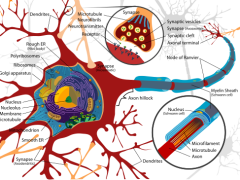
adjective [原级] 毒害神经的
It does not distribute neurotoxic mercury around the planet; it does not clog city air and the lungs of those who breathe it with soot and sulfur. 它不会在地球上散播神经毒性汞;它不会用烟尘和硫堵塞城市空气和呼吸者的肺。
与 “neurotoxic” 相关联的词汇
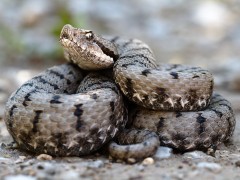
noun [专属名词] 毒蛇;毒如蛇蝎的人,阴险的人
You conspire with him against me, do you, viper? 你和他合谋反对我,是吗,蝰蛇?
noun [专属名词] (Viper)人名;(瑞典)维佩尔
Flee from every symptom of this deadly foe as you would flee from a viper. 你要逃避这死敌的一切症状,犹如逃避一条蝰蛇一般。
与 “viper” 相关联的词汇
adder
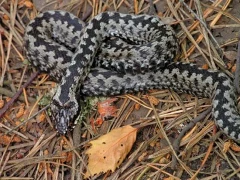
🇬🇧/ˈædə(r)/ 🇺🇸/ˈædər/noun [专属名词] 蝰蛇(欧洲产的小毒蛇);加算器;猪鼻蛇(北美产无毒的)
I took a horned adder from beneath a stone and let it sting me. 我从石头下面捉出一条长角的毒蝰蛇来,让它咬我。
与 “adder” 相关联的词汇
rattlesnake
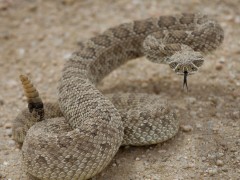
/ˈrætlsneɪk/noun [专属名词] [脊椎] 响尾蛇
One family of completely harmless snakes, the kingsnake, has also evolved serum that neutralizes rattlesnake venom. 一种完全无毒的蛇家族,王蛇,也进化出了能中和响尾蛇毒液的血清。
与 “rattlesnake” 相关联的词汇
haemolytic
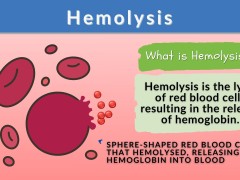
🇬🇧/ˌhiːməʊˈlɪtɪk/ 🇺🇸/hiːmoʊˈlɪtɪk/adjective [原级] 溶血的,与溶血有关的
The result is a progressive haemolytic anaemia. 结果是造成渐进性的溶血性贫血。
与 “haemolytic” 相关联的词汇
viperine
🇬🇧/ˈvaɪpəˌraɪn/ 🇺🇸/ˈvaɪpərɪn/adjective [原级] 毒蛇的
That woman has the most viperine tongue! 那个女人有最恶毒的舌头!
