speculation [ˌspekjuˈleiʃən] n. 推测
literally [ˈlitərəli] adv. 确实
odd [ɔd] adj. 奇特的
tissue [ˈtisjuː] n. 组织
【搭】nervous tissue 神经组织 osseous tissue 骨组织
* * *
A: Human tissue is made up of cells.
B: Your words are so abstract to me.
A:人体的组织是由细胞构成的。
B:你的话对我来说太抽象了。
* * *
plausible [ˈplɔːzəbəl] adj. 似乎有道理的
【派】plausibly 似乎有理地
* * *
A: What you said just now is plausible.
B: Of course. You can think it over tonight.
A:你刚才说的话似乎有道理。
B:当然。你今天晚上可以好好考虑一下。
* * *
hypothesis [haiˈpɔθisis] n. 假设
【扩】assumption 假设
* * *
A: I think we need more facts to check the hypothesis.
B: Maybe, but we have to wait a long time then.
A:我想我们必须要有更多的事实来检验我们的假设。
B:也许是那样的,但那样我们得等上很长时间。
* * *
electroencephalograph [iˌlektrəuenˈsefələˌɡrɑːf] n. 脑电图仪
electrode [iˈlektrəud] n. 电极
scalp [skælp] n. 头皮
【扩】dandruff 头皮屑 furfur 头皮屑
* * *
A: My scalp feels itchy.
B: I think you need to change the shampoo you use.
A:我的头皮发痒。
B:我认为你应该换另外一种洗发水用。
* * *
psychiatrist [saiˈkaiətrist] n. 精神病学家
punctuate [ˈpʌŋktʃueit] v. 不时介入
【例】The announcement was punctuated by cheers from the crowd.
在宣布过程中,群众的欢呼声此起彼伏。
jerk [dʒəːk] v. 猛拉
【派】jerky 抽动的
【扩】twitch 急拉
【搭】put a jerk into 加紧干
* * *
A: The bus has stopped with a jerk.
B: There must be something wrong with it.
A:公共汽车颠了一下停住了。
B:肯定是车坏了。
* * *
disorder [disˈɔːdə] n. 失调
implication [ˌimpliˈkeiʃən] n. 表明
speculation
/ˌspekjuˈleɪʃ(ə)n/noun [抽象名词] 投机,投机买卖;猜测,推测,推断
I am tired of all the speculation. 我厌烦了所有这些猜测。

与 “speculation” 相关联的词汇
literally
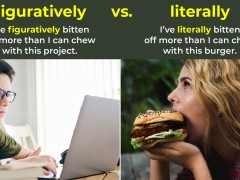
/ˈlɪtərəli/adverb [方式副词] 按照字面意义地,逐字地;真正地,确实地;(用于夸张地强调)简直
I literally jumped out of my skin. 我简直给吓了一大跳。
与 “literally” 相关联的词汇
odd
🇬🇧/ɒd/ 🇺🇸/ɑːd/adjective [原级] 奇怪的,反常的;偶然出现的,偶尔发生的;奇形怪状的,各种各样的;不成对的,不同类的;奇数的;可得到的,可用的;少量的,不重要的;(尤指在双方至少各进一球的情况下)一球险胜的
You use odd before a noun to indicate that you are not mentioning the type, size, or quality of something because it is not important. (用于名词前) 任意的
adverb [方式副词] (用于数字后)大约,左右
You use odd after a number to indicate that it is only approximate. … 左右 (用于数字后) • How many pages was it, 500 odd? 它多少页,500左右?
与 “odd” 相关联的词汇
tissue
/ˈtɪʃuː/noun [具体名词] 纸巾,面巾纸;(动物或植物的细胞)组织;(用于包装易碎物品的)薄纸,绵纸;薄纱,薄织物;(罗织编造的)一套,一系列
Tissue paper is thin paper that is used for wrapping things that are easily damaged, such as objects made of glass or china. (包装易碎物品的) 薄棉纸
verb [vt. 及物动词] 用化妆纸揩去;饰以薄纱
This can lead to tissue or organ inflammation and damage. 这可能导致人体组织或器官炎症和损害。

与 “tissue” 相关联的词汇
plausible
/ˈplɔːzəb(ə)l/adjective [原级] 似乎是真的,貌似有理的;(人)花言巧语的,貌似可信的;可靠的,可重用的
If you say that someone is plausible, you mean that they seem to be telling the truth and to be sincere and honest. (人) 看似可信的
与 “plausible” 相关联的词汇
hypothesis
🇬🇧/haɪˈpɒθəsɪs/ 🇺🇸/haɪˈpɑːθəsɪs/noun [抽象名词] 假说,假设;(凭空的)猜想,猜测;前提
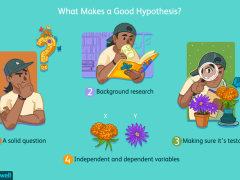
Work will now begin to test the hypothesis in rats. 在老鼠身上验证这一假设的工作现在要开始了。
与 “hypothesis” 相关联的词汇
electroencephalograph
🇬🇧/ɪˌlektrəʊɪnˈsef(ə)ləgrɑːf/ 🇺🇸/ɪˌlektroʊenˈsefələɡræf/noun [专属名词] 脑电图仪;[内科] 脑电描记器
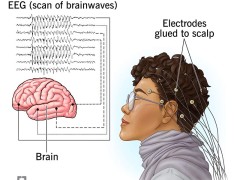
Abnormal brain-wave activity shows up on electroencephalograph readings. 脑电图的读数上显示出异常的脑电波活动。
与 “electroencephalograph” 相关联的词汇
electrode
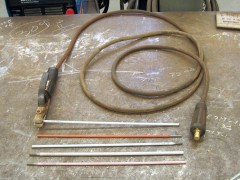
🇬🇧/ɪˈlektrəʊd/ 🇺🇸/ɪˈlektroʊd/noun [专属名词] [电] 电极;电焊条
Two electrodes that measure changes in the body's surface moisture are attached to the palms of your hands. 测量体表湿度变化的两个电极被连接到你的双掌上。
与 “electrode” 相关联的词汇
noun [物质名词] 头皮;战利品
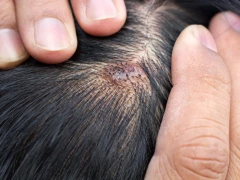
He smoothed his hair back over his scalp. 他把头发顺着头皮往后捋平。
verb [vt. 及物动词] vt. 剥头皮
The barber accidentally scalped a chunk of the customer's hair while trying to give him a buzz cut. 理发师在试图为顾客剪短发时,不小心刮掉了顾客头上一大块头发。
verb [vi. 不及物动词] vi. 剥头皮
In some cultures, scalping was believed to have spiritual significance and was practiced as a religious ritual. 在某些文化中,割头皮这一行为被认为具有精神层面的意义,并且被当作一种宗教仪式来施行。
与 “scalp” 相关联的词汇
psychiatrist
/saɪˈkaɪətrɪst/noun [专属名词] 精神病学家,精神科医生
One forensic psychiatrist described him as having an incurable antisocial personality disorder. 一位法庭精神病医生将他描述为患有不可治愈反社会人格障碍。
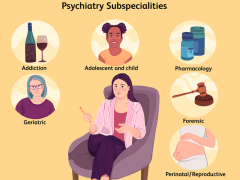
与 “psychiatrist” 相关联的词汇
punctuate
/ˈpʌŋktʃueɪt/verb [vt. 及物动词] vt. 不时打断;强调;加标点于
The game was punctuated by a series of injuries. 那场比赛因不时有人受伤而中断。
verb [vi. 不及物动词] vi. 加标点
The pupils have not yet learned to punctuate correctly. 小学生尚未学会正确使用标点符号。
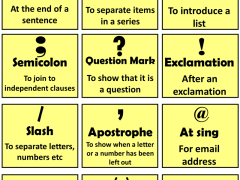
与 “punctuate” 相关联的词汇
jerky
🇬🇧/ˈdʒɜːki/ 🇺🇸/ˈdʒɜːrki/adjective [原级] 不平稳的;急促而不流畅的;抽筋的
Mr. Griffin made a jerky gesture. 格里芬先生打了个急促而不连贯的手势。
noun [专属名词] 干肉条;熏肉条
They pack boxes of butterscotch cupcakes, Sichuan-spiced beef jerky, and grapefruit marmalade. 他们打包了几盒奶油糖果的蛋糕、川味牛肉干和柚子果酱。

与 “jerky” 相关联的词汇
disorder
🇬🇧/dɪsˈɔːdə(r)/ 🇺🇸/dɪsˈɔːrdər/noun [具体名词] 混乱,杂乱;骚乱,动乱;紊乱,疾病
Disorder is a state of being untidy, badly prepared, or badly organized. 混乱• The emergency room was in disorder. 急救室一片混乱。
verb [vt. 及物动词] 打乱,使紊乱
Many suffered from a definable alcohol, drug, or mental disorder. 许多人因可识别的酒,药品或精神障碍而遭受痛苦。
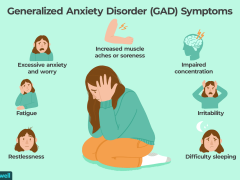
与 “disorder” 相关联的词汇
implication
🇬🇧/ˌɪmplɪˈkeɪʃn/ 🇺🇸/ˌɪmplɪˈkeɪʃ(ə)n/noun [抽象名词] 可能的影响(或作用、结果);含意,暗指;牵连,涉及
The implication was plain, if left unstated. 即使不说出来,隐含义也很明显。