physiological [ˌfiziəˈlɔdʒikəl] adj. 生理的
【派】physiologically 生理上
【搭】physiological hygiene 生理卫生
* * *
A: These physiological changes will result in a wide range of diseases.
B: Is there anything I can do now?
A:这些生理上的变化会导致一系列的疾病。
B:现在我能做些什么吗?
* * *
maximum [ˈmæksiməm] adj. 最大限度的
consideration [kənˌsidəˈreiʃən] n. 考虑
【扩】ponderation 考虑
【搭】under consideration 在考虑之中
* * *
A: I hope you can take our products into consideration.
B: Can you show me your products?
A:希望你能考虑我们的产品。
B:你能把你们的产品给我展示一下吗?
* * *
descendant [diˈsendənt] n. 子孙,后代
【扩】posterity 后代 offspring 后代
* * *
A: It's said that he is a descendant of Confucius.
B: I think it's only a joke.
A:据说他是孔子的后裔。
B:我想这只不过是个玩笑罢了。
* * *
artificial [ˌɑːtiˈfiʃəl] n. 人工的
【派】artificialize 人工化
【扩】factitious 人为的 factitial 人工的
【搭】artificial lake 人工湖
【例】We want to visit more historic resorts but fewer artificial spots.
我们也想多参观历史古迹,少看些人造景点。
impose [imˈpəuz] v. 强加
【搭】impose upon 强加于
* * *
A: We cannot impose our will upon other people.
B: Yes, that will make all of us unhappy.
A:我们不能把我们的意志强加于其他人身上。
B:是的,这会让我们大家都不开心。
* * *
dimension [diˈmenʃən] n. 直径
skyscraper [ˈskaiˌskreipə] n. 摩天大厦
tenant [ˈtenənt] n. 租户
【扩】tenement 廉租公寓
* * *
A: I'm relieved to have you to be my tenant.
B: Thanks. I'll take good care of the house.
A:你成为我的租户我很放心。
B:谢谢,我会照看好您的房子的。
* * *
civilized [ˈsivilaizd] adj. 文明的
banal [bəˈnɑːl] adj. 平庸的
【派】banality 平庸
【扩】trite 平凡的 mediocre 平庸的
* * *
A: The restaurant serves banal food.
B: Yes, some of the dishes are even terrible.
A:那家饭馆供给的饭菜全无特色。
B:是的,有的菜甚至还很难吃。
* * *
luxury [ˈlʌkʃəri] n. 豪华
deprive [diˈpraiv] v. 剥夺
【派】deprivation 剥夺
【扩】devest 剥夺(权利、财产、头衔) deplume 剥夺(权利、财产)
【搭】deprive sb. of sth. 剥夺某人某物
【例】Sickness deprived her of the pleasure of dancing.
疾病剥夺了跳舞所能给她带来的快乐。
monstrous [ˈmɔnstrəs] adj. 畸形的
【搭】a monstrous creature 一种怪异的生物 a monstrous man 身材高大的人
edifice [ˈedifis] n. 大厦
【扩】mansion 大厦 apartment building 公寓大楼
* * *
A: Our company is in that edifice.
B: Which floor is your company on?
A:我们公司在那栋大厦里。
B:你们公司在几楼?
* * *
toxic [ˈtɔksik] adj. 有毒的
【扩】deleterious 有毒的 venomous 有毒的
* * *
A: What did you want to say just now?
B: Be careful when you do the experiment with the toxic chemical.
A:你刚刚想说什么?
B:用有毒的化学药品做实验的时候你要格外小心。
* * *
ceaselessly [ˈsiːslisli] adv. 不停地
throng [θrɔŋ] v. 挤满,拥塞
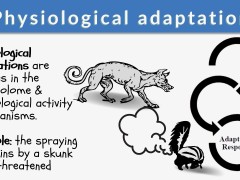
physiological
🇬🇧/ˌfɪziəˈlɒdʒɪk(ə)l/ 🇺🇸/ˌfɪziəˈlɑːdʒɪk(ə)l/adjective [原级] 生理的,生理机能的;生理学的
Thinking angry thoughts can provoke strong physiological arousal. 想生气的事情能激起强烈的生理兴奋。
与 “physiological” 相关联的词汇
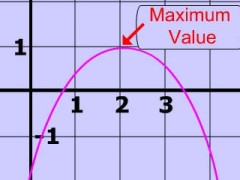
maximum
/ˈmæksɪməm/adjective [原级] 最大限度的;(数量)极大的,极多的
Under planning law the maximum height for a fence or hedge is 6 feet. 根据规划法,栅栏或树篱的最高高度为6英尺。
noun [抽象名词] 最大量,最大限度
The law provides for a maximum of two years in prison. 法律规定监禁最长两年。
adverb [程度副词] 最多,充其量
We need an extra 6 grams a day maximum. 我们一天最多还需要6克。
与 “maximum” 相关联的词汇
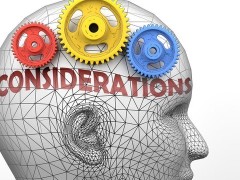
noun [具体名词] 考虑,斟酌;考虑因素;体贴,关心;报酬,酬金;(合同协议中的)对价,约因;<旧>重要(性)
There should be careful consideration about the use of such toxic chemicals. 应有对这些有毒化学品的使用的慎重考虑。
与 “consideration” 相关联的词汇
descendant
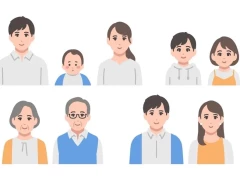
/dɪˈsendənt/noun [集合/集体] 后裔,子孙;派生物,衍生物
Something modern which developed from an older thing can be called a descendant of it. 衍生物 They are descendants of the original English and Scottish settlers. 他们是最初的英格兰和苏格兰移民的后裔。
adjective [原级] 下降的;祖传的
These adaptations served their descendant well as they invaded land. 这些适应机制在它们的后代进化成陆生生物时起了很好的协助作用。
与 “descendant” 相关联的词汇
artificial
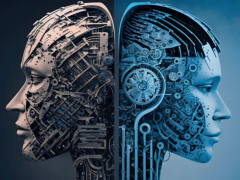
🇬🇧/ˌɑːtɪˈfɪʃ(ə)l/ 🇺🇸/ˌɑːrtɪˈfɪʃ(ə)l/adjective [原级] 人造的,人工的;人为的;不真挚的,矫揉造作的
An artificial state or situation exists only because someone has created it, and therefore often seems unnatural or unnecessary. 人为的 (状态、状况) Artificial Intelligence AI
与 “artificial” 相关联的词汇
impose
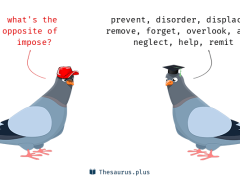
🇬🇧/ɪmˈpəʊz/ 🇺🇸/ɪmˈpoʊz/verb [vt. 及物动词] 强制推行,强制实行;把(自己的观点、信仰等)强加于;打扰,麻烦;把(活字页)拼版;欺骗
If you impose your opinions or beliefs on other people, you try and make people accept them as a rule or as a model to copy. 把 (观点、信仰等) 强加于
与 “impose” 相关联的词汇
dimension
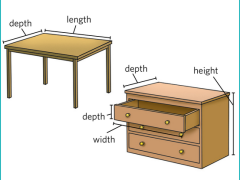
🇬🇧/daɪˈmenʃ(ə)n/ 🇺🇸/daɪˈmenʃn; dɪˈmenʃn/noun [抽象名词] 大小,尺寸;(空间的)维度;范围,规模;方面,部分
There is a political dimension to the accusations. 这些指控含有政治因素。
verb [vt. 及物动词] 切削(或制作)成特定尺寸;标出尺寸
You will open a new dimension to your life. 你将为你的生活打开一个新的维度。
与 “dimension” 相关联的词汇
skyscraper
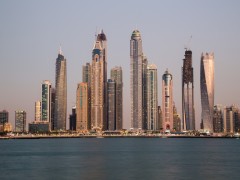
🇬🇧/ˈskaɪskreɪpə(r)/ 🇺🇸/ˈskaɪskreɪpər/noun [专属名词] 摩天大楼
The skyscraper towers into the clouds. 那幢摩天大楼高耸入云。
与 “skyscraper” 相关联的词汇
tenant
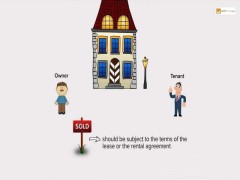
/ˈtenənt/noun [专属名词] 房客,租户;<法律>业主
Regulations placed clear obligations on the landlord for the benefit of the tenant. 为了租户的利益,条列给房东规定了明确的义务。
verb [vt. 及物动词] (作为租赁者)居住,工作
The decorating was done by a previous tenant. 装修是一位前房客搞的。
noun [专属名词] 【名】 (Tenant)特南(人名)
The rent is a matter for negotiation between the landlord and the tenant. 租金可以由房东和租户协商确定。
与 “tenant” 相关联的词汇
civilized
/ˈsɪvəlaɪzd/adjective [原级] 文明的,开化的;有法制伦理的,有道德的;有礼貌的,举止得体的;(生活)惬意的,愉快舒适的
I believed that in civilized countries, torture had ended long ago. 我相信在文明国家酷刑早就废止了。
verb [vt. 及物动词] 使文明,使开化;教化,熏陶;改善(civilize 的过去分词)
Without unwritten rules civilized life would be impossible. 没有不成文的规章,就不会有文明生活。
与 “civilized” 相关联的词汇
banal
/bəˈnɑːl/adjective [原级] 平淡无奇的,平庸的,陈腐的
The text is banal. 这篇文章乏味得很。
noun [专属名词] 【名】 (Banal)(法、意)巴纳尔(人名)
The lyrics of the song are embarrassingly banal. 那首歌的歌词庸俗得让人尴尬。

与 “banal” 相关联的词汇
luxury
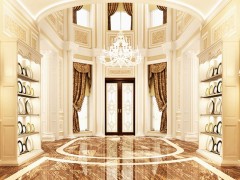
/ˈlʌkʃəri/noun [抽象名词] 奢华,华贵;奢侈品;不常有的乐趣,难得的享受
A luxury is something expensive which is not necessary but which gives you pleasure. 奢侈品 • A week by the sea is a luxury they can no longer afford. 去海边一周成了一种奢侈,他们再也负担不起。
adjective [原级] 奢侈的,豪华的
A luxury item is something expensive which is not necessary but which gives you pleasure. 奢侈的 (物品) • He could not afford luxury food on his pay. 凭他的薪水,他吃不起奢侈的食品。
与 “luxury” 相关联的词汇
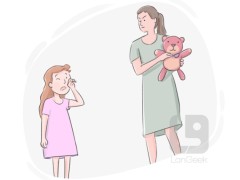
deprive
/dɪˈpraɪv/verb [vt. 及物动词] 剥夺,使丧失;免去……的职务(尤指圣职)
They've been deprived of the fuel necessary to heat their homes. 他们无法得到住房取暖必需的燃料。
与 “deprive” 相关联的词汇
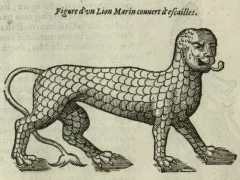
monstrous
🇬🇧/ˈmɒnstrəs/ 🇺🇸/ˈmɑːnstrəs/adjective [原级] 不公正道德的,残忍的;巨大的,庞大的;丑陋的,骇人的
His monstrous pearl was extremely valuable. 他那颗巨大的珍珠价值连城。
与 “monstrous” 相关联的词汇
noun [专属名词] 大厦;大建筑物
The taxi driver reeled off a list of historic edifices they must not fail to visit. 出租车司机一口气说出了一串他们不应错过参观的历史建筑。
与 “edifice” 相关联的词汇
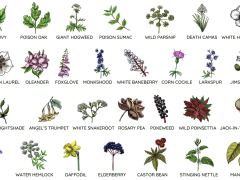
adjective [原级] 有毒的,引起中毒的;令人极不愉快的,极其有害的,恶毒的;中毒的,中毒性的;(财政)(债务)有毒的,风险高的;(证券)有毒的
If a financial asset is described as toxic, it is likely to cause significant loss to the holder. 有毒的(资产)
noun [抽象名词] 有毒物质,毒药(toxics)
In "Toxic II," the hero windsurfs to Japan. 《中毒2》里的男主人公冲浪至日本。
与 “toxic” 相关联的词汇
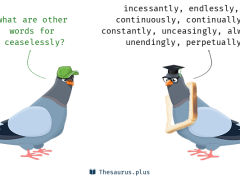
ceaselessly
/ˈsiːsləsli/adverb [程度副词] 不停地
Art is so multifarious, so ceaselessly changing. 艺术是姿态万千的不停地变化的。
与 “ceaselessly” 相关联的词汇
noun [集合/集体] 一大群,众多
An official pushed through the throng. 一位官员从人群中挤过。
verb [vi. 不及物动词] 蜂拥,群集
The crowds thronged into the stadium. 人群涌进了体育馆。
adjective [原级] <苏格兰,北英格兰>拥挤的
We pushed our way through the throng. 我们挤过人群。