settlement [ˈsetlmənt] n. 新拓居地,解决,协议
【搭】in full settlement 偿还全部债务
* * *
A: Have all the problems settled?
B: Yes, all the problems have come to a settlement.
A:问题处理完了吗?
B:是的,所有问题都已经解决了。
* * *
enterprising [ˈentəpraiziŋ] adj. 有事业心的
settler [ˈsetlə] n. 移居者
promiscuous [prəˈmiskjuəs] adj. 杂乱的
【派】promiscuously 杂乱地
【扩】littery 杂乱的 messy 杂乱的
* * *
A: Promiscuous eating habits is bad for your health.
B: I see. But sometimes the work left me no time to have a meal.
A:不规则的饮食习惯对你的健康很不利。
B:我知道,但是有时候工作起来根本没时间吃饭。
* * *
abandon [ˈəbændən] n. 放纵,纵情,放任
【例】Those who abandon themselves to despair can not succeed.
那些自暴自弃的人无法成功。
overrun [ˈəuvərʌn] v. 蔓延,泛滥
【扩】overswell 泛滥 deluge 使泛滥
* * *
A: My house has been overrun by cockroaches.
B: Don't you want to do anything about it?
A:现在我的家中蟑螂猖獗。
B:你就不想做些什么吗?
* * *
devastation [ˌdevəˈsteiʃən] n. 破坏,劫掠
【扩】destruction 破坏,毁灭 demolishment 破坏,毁坏
* * *
A: The devastation of the ecological environment in some areas has worsened.
B: If they don't stop that behaviour, they will be punished by nature.
A:在某些地区,对生态环境的毁坏更严重了。
B:如果他们不停下来的话,会被大自然惩罚啊。
* * *
burrow [ˈbʌrəu] v. 挖,掘
【扩】grub 挖掘 excavate 挖掘
* * *
A: I had to burrow in the library for the books I needed.
B: Wait a moment. I'll go with you.
A:我只好在图书馆搜寻我所需要的书。
B:等一下,我跟你一起去。
* * *
susceptible [səˈseptəbəl] adj. 易受感染的
【搭】be susceptible of 能……的 be susceptible to 对……敏感的
* * *
A: We are all susceptible to advertising.
B: So let's turn off the television.
A:我们都容易受广告的影响。
B:那我们把电视给关了吧。
* * *
virus [ˈvaiərəs] n. 病毒
myxomatosis [ˌmiksəməˈtəusis] n. 多发性粘液瘤
infect [inˈfekt] v. 传染
【派】infection 传染
【搭】be infected with 染上
* * *
A: Go away. I don't want to infect you with my cold.
B: Have you taken any medicine?
A:走开,我可不想把我的感冒传染给你。
B:你吃感冒药了吗?
* * *
epidemic [ˌepiˈdemik] n. 流行病
【搭】an influenza epidemic 流行性感冒
* * *
A: The village was smitten by a kind of epidemic.
B: The villagers there must be very panicked.
A:那个村子被一种传染病侵袭了。
B:那儿的村民肯定特别恐慌。
* * *
mosquito [məˈskiːtəu] n. 蚊虫
carrier [ˈkæriə] n. 带菌者
exterminate [ikˈstəːmineit] v. 消灭
【派】extermination 消灭
【扩】perish 消灭 extirpate 消灭,根除
* * *
A: I must exterminate the mosquitoes before going to sleep, or I can't sleep well in the night.
B: But we don't have any insecticide now.
A:我睡觉前必须把这些蚊子消灭掉,否则晚上我就没法睡好了。
B:但是我们已经没有杀虫剂了。
* * *
ironically [aiˈrɔnikəli] adv. 具有讽刺意味地
【例】Ironically, most people came to watch the match on the day it poured with rain.
老天爷好像成心捉弄人,很多人前来看比赛却偏偏下起瓢泼大雨。
bequeath [biˈkwiːð] v. 把……传给
* * *
A: He bequeathed all of his property to his daughter.
B: He also has a son, right?
A:他把全部财产都遗赠给了他女儿。
B:他还有个儿子对吧?
* * *
pest [pest] n. 害虫,有害动物
pestilence [ˈpestiləns] n. 瘟疫
confine [kənˈfain] n. 范围
【派】confinement 限制
【扩】scope 范围 extent 范围
【搭】between the confines of ……界限之间
domesticate [dəˈmestikeit] v. 驯养
【派】domesticated 驯养的,驯服的
【扩】tame 驯养,使驯服
【例】Thousands of years ago people had learned how to domesticate animals.
几千年以前人们就学会了饲养动物。
settlement
/ˈset(ə)lmənt/noun [具体名词] (解决争端的)协议,和解;定居点,聚居地 ;殖民,开拓; <法律>(关于钱财转让的)协议(书);(欠款的)支付,偿付;(地面或建筑物的)下沉,下陷;(按照协议规定收到的)金额;定居行动;结算,清账;解决,处理;<美>部落,村落
Our objective must be to secure a peace settlement. 我们的目标必须是确保达成一个和平协议。

与 “settlement” 相关联的词汇
enterprising
🇬🇧/ˈentəpraɪzɪŋ/ 🇺🇸/ˈentərpraɪzɪŋ/adjective [原级] 有事业心的,有进取心的;有魄力的,有胆量的
What would this energetic, enterprising country be without new lands to conquer? 如果没有新的大陆可以征服,这个充满活力和进取精神的国家会是什么样子?
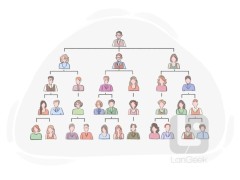
与 “enterprising” 相关联的词汇
noun [专属名词] 移居者;殖民者
The first German village in southwestern Siberia was founded a century ago by settlers from the Volga region. 西伯利亚西南部的第一个日尔曼村庄是一个世纪前由来自伏尔加地区的移民们建立的。
noun [专属名词] (Settler)人名;(德)泽特勒
"What Arab East Jerusalem?" asks a settler in an Arab area. 什么阿拉伯人的东耶路撒冷?

与 “settler” 相关联的词汇
antipodes
/ænˈtɪpəˌdiːz/noun [抽象名词] 正相反的事物;地球上处于正相对应的两个地区(尤指与欧洲形成对跖地的澳大利亚和新西兰)
The opposite side of the earth; the antipodes. 对跖面,对跖点地球的对面;

与 “antipodes” 相关联的词汇
adjective [原级] 混杂的;杂乱的
People are far more promiscuous, it seems, on foreign holidays. 在外国度假时,人们似乎会很更滥情。
adverb [方式副词] 偶然地;胡乱地
From this promiscuous breed, that race now called Americans have arisen. 由这种混杂而繁衍产生了一个现叫作美国人的种族。
与 “promiscuous” 相关联的词汇
abandon
/əˈbændən/verb [vt. 及物动词] 抛弃,遗弃;(因危险)离开,舍弃;中止,不再有;放弃(信念、信仰或看法);陷入,沉湎于(某种情感)
If you abandon an activity or piece of work, you stop doing it before it is finished. 中途放弃
noun [抽象名词] 放任,放纵。
If you say that someone does something with abandon, you mean that they behave in a wild, uncontrolled way and do not think or care about how they should behave. 放纵

与 “abandon” 相关联的词汇
overrun
🇬🇧/ˈəʊvərʌn/ 🇺🇸/ˈoʊvərʌn/verb [vt. 及物动词] 泛滥,横行;超出,超过(预期的时间或金钱);(士兵)占领,蹂躏;越过,延伸到……之外;比(机器的另一部分)转速快
A group of rebels overran the port area and most of the northern suburbs. 一群叛乱分子迅速占领了港口地区及绝大部分北部郊区。
noun [抽象名词] 超出的时间,超出的成本(费用);超限运动(或延伸);(机场跑道的)保险道;(车辆的)超限运动
Her lectures never overrun. 她讲课从不拖堂。
与 “overrun” 相关联的词汇
noun [抽象名词] 毁坏,破坏;荒废
The war brought massive devastation and loss of life to the region. 战争给该地区造成巨大的破坏以及生命的丧失。
与 “devastation” 相关联的词汇
burrow
🇬🇧/ˈbʌrəʊ/ 🇺🇸/ˈbɜːroʊ/verb [vi. 不及物动词] 掘地洞,挖地道 ;偎依,钻到……下面;(在……里)搜寻;挖穿
The larvae burrow into cracks in the floor. 幼虫钻进地板的裂缝中。
noun [专属名词] (兔子等动物掘的)地洞,地道
They go back to their own burrow. 他们回到自己的洞穴。
noun [专属名词] 【名】 (Burrow)(美)伯罗(人名)
I come out of my burrow only at night to find food. 我只在夜间从洞穴中出来寻找食物。

与 “burrow” 相关联的词汇
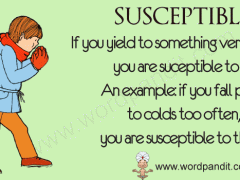
susceptible
/səˈseptəb(ə)l/adjective [原级] 易得病的,易受影响的;(人)易受感动的,易动感情的;可能有······的,容许······的;<正式>(尤指想法或陈述)能被理解(或证明、解释)的
Young people are the most susceptible to advertisements. 年轻人最容易受广告影响。
与 “susceptible” 相关联的词汇
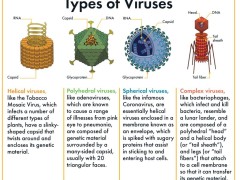
noun [专属名词] 病毒;病毒性疾病,病毒感染;(计算机)病毒,(手机的)短信病毒;有害影响,毒害;<古>毒液
There are many different strains of flu virus. 有许多不同类型的流感病毒。
noun [专属名词] 【名】 (Virus)比鲁斯(人名)
Her heart was irreparably damaged by a virus. 她的心脏被某种病毒不可补救地损伤了。
与 “virus” 相关联的词汇
myxomatosis
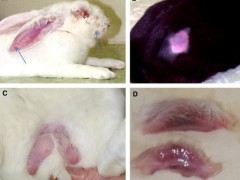
🇬🇧/ˌmɪksəməˈtəʊsɪs/ 🇺🇸/ˌmɪksəməˈtoʊsɪs/noun [物质名词] 多发粘液瘤病;[肿瘤] 粘液瘤变性
What factor helps to spread the disease of myxomatosis? 什么因素有助于扩散多发性粘液瘤病毒?
与 “myxomatosis” 相关联的词汇
infect
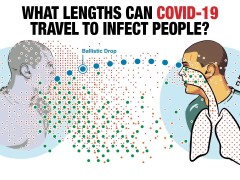
/ɪnˈfekt/verb [vt. 及物动词] 传染,浸染;污染,败坏;(某种感情或兴趣)影响;感染(计算机病毒)
His creativity would infect other students. 他的创造力会感染其他的学生。
与 “infect” 相关联的词汇
epidemic
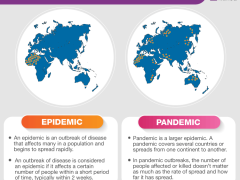
/ˌepɪˈdemɪk/noun [专属名词] 流行病,传染病;(迅速的)盛行,蔓延
...an epidemic of serial killings. …连环谋杀的盛行。
adjective [原级] 盛行的,泛滥的
Hospitals were already fully extended because of the epidemic. 这场流行病已使各医院以最大负荷运转。
与 “epidemic” 相关联的词汇
mosquito
🇬🇧/məˈskiːtəʊ/ 🇺🇸/məˈskiːtoʊ/noun [专属名词] 蚊子
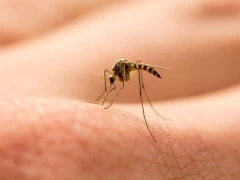
A single mosquito can infect a large number of people. 一只蚊子就能传染很多人。
与 “mosquito” 相关联的词汇
exterminate
🇬🇧/ɪkˈstɜːmɪneɪt/ 🇺🇸/ɪkˈstɜːrmɪneɪt/verb [vt. 及物动词] vt. 消灭;根除
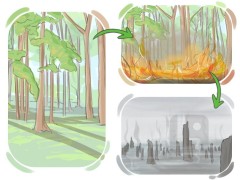
A huge effort was made to exterminate the rats. 花了大气力来消灭这些老鼠。
与 “exterminate” 相关联的词汇
ironically
🇬🇧/aɪˈrɒnɪkli/ 🇺🇸/aɪˈrɑːnɪkli/adverb [方式副词] 具有讽刺意味的是;反讽地,讽刺地
If you say something ironically, you say the opposite of what you really mean, as a joke. 讽刺地
与 “ironically” 相关联的词汇
bequeath
/bɪˈkwiːð/verb [vt. 及物动词] vt. 遗赠;把……遗赠给;把……传下去
He bequeathed all his silver to his children. 他把所有的银币都留给了他的孩子们。
与 “bequeath” 相关联的词汇
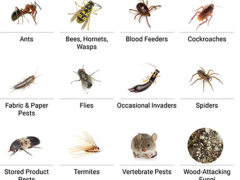
noun [集合/集体] 害虫,有害动物;<非正式>讨厌的人(或物)
You can describe someone, especially a child, as a pest if they keep bothering you. 讨厌鬼 (尤指小孩) • He climbed on the table, pulled my hair, and was generally a pest.
与 “pest” 相关联的词汇
pestilence
/ˈpestɪləns/noun [专属名词] 瘟疫(尤指鼠疫);有害的事物
In recent months the city has revived its efforts to curb honking, smoking and the pestilence of plastic bags. 最近几个月来,这个城市重振旗鼓,再次禁止鸣笛,禁烟,以及禁止到处都是的塑料袋。
与 “pestilence” 相关联的词汇
confine
/kənˈfaɪn/verb [vi. 不及物动词] 限制,局限;防止…扩散;关押,监禁;使离不开(或受困于床、轮椅等)
Health officials have successfully confined the epidemic to the Tabatinga area. 卫生官员们已经成功地将该传染病控制在塔巴廷加地区。
noun [抽象名词] 边界,范围;限制,局限
He did not confine himself to the one language. 他没把自己局限于这一门语言。
与 “confine” 相关联的词汇
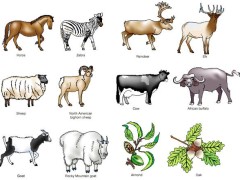
domesticate
/dəˈmestɪkeɪt/verb [vt. 及物动词] 驯养;教化;引进
We domesticated the dog to help us with hunting. 我们驯养狗来帮助我们打猎。
verb [vi. 不及物动词] 驯养;使习惯于或喜爱家务和家庭生活
If you domesticate this raccoon, it will have trouble living in the wild. 如果你驯养这只浣熊,它生活在野外将会有困难。
与 “domesticate” 相关联的词汇
carrier
🇬🇧/ˈkæriə(r)/ 🇺🇸/ˈkæriər/noun [专属名词] 搬运人,运输工具;航空公司;军车,运输舰;购物袋;(自行车等的)置物架,载重架;带菌者,病毒携带者,病媒;通讯公司;载体
There were armoured personnel carriers and tanks on the streets. 街上有装甲车和坦克。