
Sb. is in bed. 某人卧病在床
in bed(生病卧床,习惯用法,不可用on替换)
| He is in bed. 生病(无the的名词强调其功能) | She is on / in the bed. 躺床上玩(the 特指,通常强调地方) |
| The man is in hospital. 生病住院 | The nurse is in the hospital. 在医院工作;(She is in the hospital. 她去医院探望病人) |
| make a bed. 制作、整理一张床 | make the bed. 整理床铺 |
* What’s the matter with him?
What’s the matter with sb. ? (matter 是一个名词)
- What's the matter with the young man? 这个年轻人怎么了?
- Why, what's the matter with you? 哎呀,你这是怎么了?
- What's the matter with your tooth? 你的牙齿怎么了?
| What’s wrong with sb.? (wrong 形容词,前面无the) |
|
|---|
So he must stay in bed.
So he must in bed stay a week.所以他必须在床上呆一周。- So he must stay in bed for a week. ✓
for + 一段时间,表示长达 §
- I have classes for eight hours today. 我今天上了 8 小时的课。
- He must stay in Beijing for ten years.他必须在北京呆 10 年。
That’s good news for Jimmy. 对于某人来说…
- English is very easy for him. 英语对他来说很简单。
- It is too dry for her to stay in Beijing.北京的气候对她来说太干燥了。
For 关乎利益,To 关乎观点 最简单的记法
- Smoking is bad for you. (抽烟对你(身体)有害。)
- Exercise is good for your health. (运动对你健康有好处。)
- It is difficult for me to finish this. (对我来说,完成这件事很困难——强调完成任务的能力挑战。)
| to sb. 观点、感受或方向 |
|
|---|
练一练 (英语对我来说很容易)
- 如果你想说因为你智商高,学起来不费劲:English is easy for me.
- 如果你想说在你看来,英语是一门简单的语言:English is easy to me.
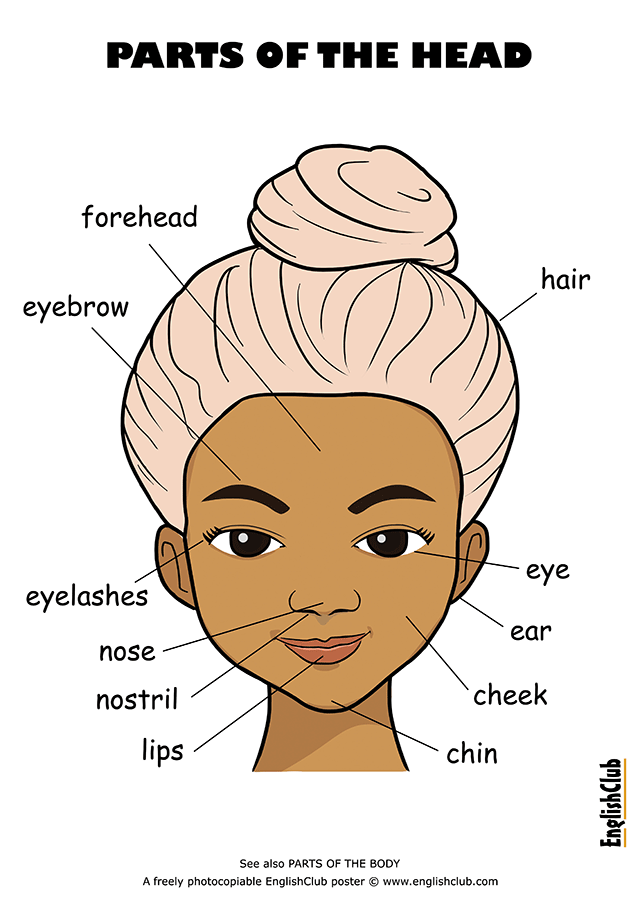
- cheek: Her cheeks were red because of the cold.
- chin: Max has a beard covering his chin.
- ear: There was water in my ear, and I couldn’t hear properly.
- eye: Sara has beautiful blue eyes.
- eyebrow: Sam’s eyebrows are blonde, just like his hair.
- eyelashes: Margaret’s eyelashes are lovely and long.
- forehead: His forehead was hot because he had a fever.
- hair: I brush my hair every morning.
- lips: My lips were dry because of the sun.
- nose: My nose was blocked, and I couldn’t smell properly.
- nostril: Your nostrils are at the bottom of your nose.