water [ˈwɔːtə] v. 浇水
* * *
A: Don't forget to water the flowers before you go out.
B: Take it easy. I won't forget it.
A:你出去之前别忘了浇花。
B:放心,我不会忘记的。
* * *
terribly [ˈterəbli] adv. 非常
dry [drai] adj. 干燥的,干的
nuisance [ˈnjuːsəns] n. 讨厌的东西或人
mean [miːn] v. 意味着,意思是
【派】meaning 意思
【扩】imply 含有……的意思
【搭】mean to do sth. 打算去做某事
* * *
A: You helped me a lot. I don't know what I can do in return.
B: Our friendship means more, so don't mention it.
A:你帮了我太多了。我真不知道怎么回报你。
B: 我们的友谊更珍贵,所以别再提了。
surprise [səˈpraiz] n. 惊奇,意外的事
【派】surprised 惊讶的 surprising 惊人的
【扩】wonder 惊奇
【搭】to one's surprise 令人惊奇的
* * *
A: He said he likes you.
B: Really? What a surprise!
A:他说他喜欢你。
B:是吗?真让人吃惊。
Lesson 126 Have to and do not need to 不得不和不必要
immediately [iˈmiːdiətli] adv. 立即地
* * *
A: If anything happens, let me know immediately, please.
B: OK. I'll keep you updated.
A:如果发生什么事,请马上通知我。
B:好的,我会和你联络的。
water
🇬🇧/ˈwɔːtə(r)/ 🇺🇸/ˈwɔːtər/noun [不可数名词] 水,雨水;水域,(江、河、湖、海等)大片的水;(某个国家的)领海,海域(waters);不明朗(或未知的、困难、危险等)局面
Get me a glass of water. 给我一杯水。
verb [vt. 及物动词] 给…浇水,灌溉;给…...水喝,饮(动物);(风等使眼睛)流泪;流口水;(江河)流经并给(某地区)供水;加水冲淡,稀释
If you water plants, you pour water over them in order to help them to grow. 浇水
noun [专属名词] 【名】 (Water)(英)沃特(人名)
You should be cautious when getting involved and test the water before committing yourself. 当你涉足其中时你应该小心谨慎,在表态之前要先行试探。

与 “water” 相关联的词汇
adverb [程度副词] 很,非常;非常糟地,严重地
I'm terribly cross with him. 我对他非常生气。

与 “terribly” 相关联的词汇
adjective [原级] 干的;干旱的,少雨的;(头发或皮肤)干燥的,干性的;冷面幽默的;枯燥乏味的;口干的,口渴的;脱水的,没有汁的;(酒)无甜味的,不含糖的;(国家)禁酒的;冷漠的,没有感情的
The grass was dry and patchy. 草地上干枯且杂草丛生。
verb [vt. 及物动词] (使)变干;变干硬;(因忘记说什么而)张口结舌,说不出话来
I'll wash and you can dry up. 我来洗,你来擦干。
noun [抽象名词] 干燥过程(或事例);<美>支持禁酒者
The lake had been pumped dry. 这个湖已经被抽干了。
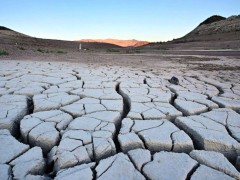
与 “dry” 相关联的词汇
nuisance
🇬🇧/ˈnjuːsns/ 🇺🇸/ˈnuːs(ə)ns/noun [抽象名词] 麻烦事,讨厌的人(或事物、情况);损害,妨害;骚扰行为,妨害行为
He could be a bit of a nuisance when he was drunk. 他喝醉时会是一个有点令人讨厌的人。
与 “nuisance” 相关联的词汇
mean
/miːn/verb [vt. 及物动词] 意味着;表示…的意思,作…的解释;打算,意欲;使专门用于;导致,结果是;十分熟识;当真,说到做到;对某人重要
What does "evidence" mean? 是什么意思?
adjective [原级] 吝啬的,小气的;不善良的,刻薄的;要发怒的;熟练的,出色的;平均的;简陋的,破旧的;微薄的;<旧>出身卑贱的,社会地位低下的;中庸的,中等的;<美>凶狠的,好斗的
The little girls had locked themselves in the room because Mack had been mean to them. 这些小女孩们把自己锁在房间里,因为麦克对她们不友好。
noun [抽象名词] 中庸,折衷;平均数,中数;中间点
Take a hundred and twenty values and calculate the mean. 取120个值计算平均数。
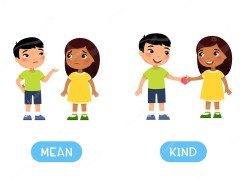
与 “mean” 相关联的词汇
surprise
🇬🇧/səˈpraɪz/ 🇺🇸/sərˈpraɪz/noun [抽象名词] 不寻常的事件,意外之事;惊奇,惊讶;令某人意外惊喜的事物(如礼物、旅行等);出其不意(出人意料)的方法;让人大吃一惊的人;(鸣钟术)一种复杂的敲奏编钟的方法
I have a surprise for you: We are moving to Switzerland! 我要告诉你一件意想不到的事:我们要搬到瑞士去!
verb [vi. 不及物动词] 使(某人)吃惊;意外发现,当场抓获,突然袭击;给…惊喜,使喜出望外
We'll solve the case ourselves and surprise everyone. 我们将自己解决这件事,并让所有人吃惊。
adjective [原级] 令人惊奇的,意外的
Baxter arrived here this afternoon, on a surprise visit. 巴克斯特今天下午突然到了这里,做意外造访。

与 “surprise” 相关联的词汇
adverb [频率副词] 立即,马上;紧接地,紧靠地;直接地
If something is immediately obvious, it can be seen or understood without any delay. 即刻地 • The cause of the accident was not immediately apparent. 这次事故的起因并非即刻可明。
conjunction [从属连词] <英>一…就
He grabbed a pencil, and the lead immediately broke. 他抓起一支铅笔,铅笔芯立刻就断了。