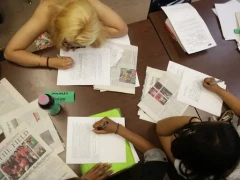
the school paper
/ðə skuːl ˈpeɪpə(r)/noun [专属名词] 校报;校刊
Since Simon will graduate this May, the school paper needs a new editor. 由于西蒙将于这个五月毕业,校报需要一位新编辑。
与 “the school paper” 相关联的词汇
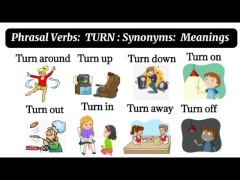
verb [vt. 及物动词] 上交、归还、交还、上床睡觉
I need to turn in my homework by tomorrow. 我需要在明天之前交作业。
与 “turn in” 相关联的词汇
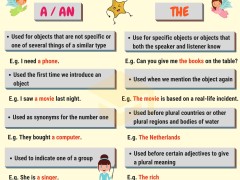
article
🇬🇧/ˈɑːtɪk(ə)l/ 🇺🇸/ˈɑːrtɪk(ə)l/noun [专属名词] 文章,论文;物品;条款,条文;冠词;见习契约,见习期
The article was highly defamatory. 这篇文章具有严重的诽谤性质。
verb [vi. 不及物动词] 见习,签约做实习生;进行控告;使…受协议条款的约束
They articled his alleged crimes. 他们列举了他的被指称的罪状。
与 “article” 相关联的词汇
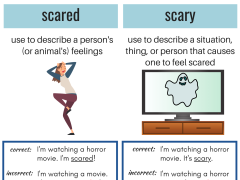
scared
🇬🇧/skeəd/ 🇺🇸/skerd/adjective [原级] 惊恐的,恐惧的;担心的,焦虑的
I'm certainly not scared of him. 我当然不怕他。
verb [vt. 及物动词] 使惊恐,吓唬;受惊吓,害怕(scare 的过去式和过去分词)
You've got your rivals running scared. 你已经使对手感到恐惧了。
与 “scared” 相关联的词汇
adjective [原级] 骇人的,恐怖的;<非正式>异乎寻常的,令人惊奇的;胆小的,易受惊吓的
It was a really scary moment. 那一刻真是吓人。

与 “scary” 相关联的词汇
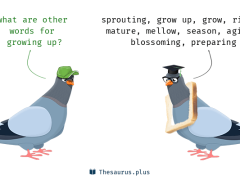
growing up
/ˈɡrəʊɪŋ ʌp/noun [专属名词] 长大;《小毕的故事》(Growing Up)(电影名,又名《成长岁月》)
She doesn't want her children growing up in the public eye. 她不想让子女在众人瞩目中成长。
与 “growing up” 相关联的词汇
enjoy
/ɪnˈdʒɔɪ/verb [vi. 不及物动词] 享受,欣赏,喜爱;过得愉快,玩得开心(enjoy oneself);享有,拥有;<美,非正式>请尽情享用; <美,非正式>请尽情享用
Ross had always enjoyed the company of women. 罗斯一直都很享受女人的陪伴。

与 “enjoy” 相关联的词汇
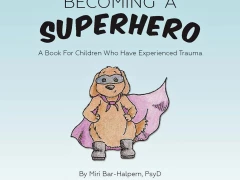
becoming
/bɪˈkʌmɪŋ/adjective [原级] 相配的;合适的;得体的
Softer fabrics are much more becoming than stiffer ones. 较软布料比较硬的布料更好看。
noun [具体名词] (变化过程的)形成,发生
Jobs are becoming increasingly scarce. 工作职位变得越来越少。
verb [vt. 及物动词] 开始变得;成长为;取得资格;适合(某人);使(人)显得漂亮(become 的现在分词)
She was becoming confused. 她开始糊涂了。
与 “becoming” 相关联的词汇
writer
🇬🇧/ˈraɪtə(r)/ 🇺🇸/ˈraɪtər/noun [专属名词] (职业的)作家,作者;执笔者,撰写人;写字…的人;(计算机)记录器;〈英,史〉文书,抄写员
Turner is a writer and critic. 特纳是一位作家和评论家。

与 “writer” 相关联的词汇
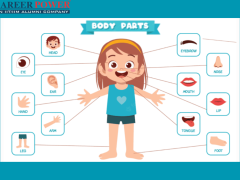
part
🇬🇧/pɑːt/ 🇺🇸/pɑːrt/noun [具体名词] 部分;某物的部分(局部);(书、戏剧、电视剧等的)部,篇,集;(动植物的)器官,部位;部件,零件;成员,参与人员;(世界、国家或城镇等的)区域,地区;(头发的)分缝;(角色的)台词和动作,角色;(在活动或事件中的)作用;(乐器或声音的)声部,音部;(等)份;<古>能力
A part for a machine or vehicle is one of the smaller pieces that is used to make it. 零件 • ...spare parts for military equipment. …军事设备的备用零件。
verb [vt. 及物动词] (使)分开,(使)分离;分别;分手;放弃,移交;给(头发)分缝
If things that are next to each other part or if you part them, they move in opposite directions, so that there is a space between them. 分开
adverb [方式副词] 既有…又有…(part sth., part sth.);不完全地,部分地
If you say that something is part one thing, part another, you mean that it is to some extent the first thing and to some extent the second thing. 一半
adjective [原级] 部分的,不完全的
It was a very severe accident and he lost part of his foot. 那是一起严重的事故,他的一只脚残了。
与 “part” 相关联的词汇
hail
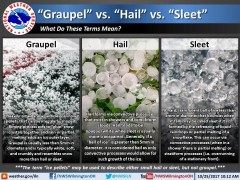
/heɪl/verb [vt. 及物动词] 赞扬,欢呼;呼喊,招呼;下冰雹;(大量物体)像雹子般落下(或击打);<古>表示问候或欢呼欢迎
Faulkner has been hailed as the greatest American novelist of his generation. 福克纳被赞颂为他那一代人中最伟大的美国小说家。
noun [物质名词] 冰雹;雹子般的一阵;招呼(某人)
...a sharp short-lived storm with heavy hail. …一场来去匆匆的带着大冰雹的暴风雨。
noun [专属名词] 【名】 (Hail)(阿拉伯、捷)海尔(人名)
Hail was hammering down onto the roof. 冰雹砸得屋顶咚咚响。
与 “hail” 相关联的词汇
noun [专属名词] 胜利者
Oliver Townsend and co-driver Kirk Lee eventually emerged as victors after five different cars had led the event. 5辆车相继领先,最终奥利佛·汤森和副驾驶员柯克·李成为胜利者。
noun [专属名词] (Victor)人名;(俄、罗、保、匈)维克托
Victor Hugo used Notre-Dame as the setting of his famous story. 维克多·雨果将巴黎圣母院作为自己一部著作的写作背景。

与 “victor” 相关联的词汇
conquering
/ˈkɔŋkərɪŋ/noun [具体名词] 1. 征服,战胜:通过武力或其他手段击败对手,占领其领土或控制其资源。
Alexander the Great was known for conquering many lands. 亚历山大大帝以征服许多土地而闻名。
verb [vt. 及物动词] 2. 克服,战胜(困难、恐惧等):成功地应对或解决问题、困难或恐惧。
She is conquering her fear of heights by going rock climbing. 她通过攀岩来克服对高处的恐惧。

与 “conquering” 相关联的词汇
cheering
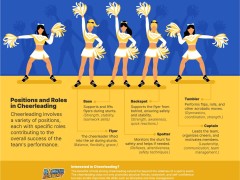
🇬🇧/ˈtʃɪərɪŋ/ 🇺🇸/ˈtʃɪrɪŋ/noun [抽象名词] 欢呼;喝彩
The audience were stamping and cheering. 观众又是跺脚,又是欢呼。
adjective [原级] 令人高兴的
Doran leaned out of the window to acknowledge the cheering crowd. 多兰探出窗户向欢呼的人群致意。金山词霸
verb [vt. 及物动词] 欢呼(cheer 的 ing 形式)
Probably, most people will be cheering for their favorite players. 大概,多数人都会为自己喜欢的球员加油。
与 “cheering” 相关联的词汇
noun [专属名词] 院长,教务长;主任牧师
She was dean of the University of Washington's Graduate School. 她曾任华盛顿大学研究生院的院长。

与 “dean” 相关联的词汇
admission
/ədˈmɪʃ(ə)n/noun [抽象名词] 承认,供认;允许进入(加入),进入权;录取,录取人数;入场费;入院治疗(检查);入场人数;入院病人
An admission is a statement that something bad, unpleasant, or embarrassing is true. 承认 • By his own admission, he is not playing well. 据他自己承认,他表现不佳。

与 “admission” 相关联的词汇
classmate
🇬🇧/ˈklɑːsmeɪt/ 🇺🇸/ˈklæsmeɪt/noun [专属名词] 同班同学
She felt like a fifth-grader who had snitched on a classmate. 她觉得自己就像个打同学小报告的小学五年级学生。

与 “classmate” 相关联的词汇
turn out
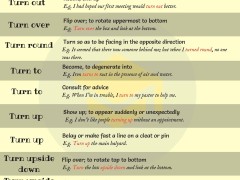
🇬🇧/tɜːn aʊt/ 🇺🇸/tɜːrn aʊt/verb [vt. 及物动词] 驱逐,赶出:将(如马)放牧。
They turned out the horses to pasture. 他们把马放到牧场上。
verb [vt. 及物动词] 翻转,倒出:将(尤指口袋)掏空以清洁或重新整理;也指清空容器的内容物。
He turned out his pockets to see what was inside. 他掏空口袋看里面有什么。
verb [vt. 及物动词] 大量生产:通过机器生产大量产品。
The factory turns out hundreds of cars every day. 这家工厂每天生产数百辆汽车。
verb [vt. 及物动词] 装备,打扮:精心或精致地装备、打扮。
She turned out in a beautiful gown for the party. 她穿着一件漂亮的礼服参加了派对。
verb [vt. 及物动词] 关掉,熄灭:通过转动开关关掉电器。
Don't forget to turn out the lights before you leave. 离开前别忘了关灯。
verb [vt. 及物动词] 召集,集合:从休息或庇护处召集(如卫兵或一个公司)。
The captain turned out the soldiers for the morning drill. 队长召集士兵进行早操。
verb [vt. 及物动词] 出门,外出:响应召唤而离开家中,尤指大量人群。
The voters turned out in droves for the election. 选举时,选民们踊跃参加投票。
verb [vt. 及物动词] 起床:离开床铺。
I turned out of bed and started my day. 我起床开始新的一天。
verb [vt. 及物动词] 结果是,证明是:在结果或最后证明是。
The play turned out to be a great success. 这出戏最终取得了巨大的成功。
verb [vt. 及物动词] 发展成,成为:在成长或发展过程中变得如何。
He turned out to be a talented musician. 他最终成为了一位有才华的音乐家。
verb [vt. 及物动词] 以……结束,结果是:以某种方式结束,结果是。
The story turned out happily. 这个故事以幸福的结局结束。
与 “turn out” 相关联的词汇
tennis
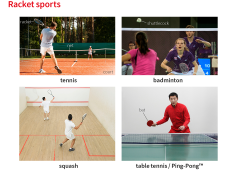
/ˈtenɪs/noun [专属名词] 网球
I'm not much good at tennis. 我不太擅长打网球。
noun [专属名词] (Tennis)(英)坦尼斯(人名)
He's not much of a tennis player. 他算不上网球好手。
与 “tennis” 相关联的词汇
team
/tiːm/noun [集合/集体] (游戏或体育运动的)队,小组;工作队,工作组;(套在一起拉车的)一组牲口(尤指马)
Each specialist has a team of doctors under him or her. 每位专家手下都有一组医生。
verb [vt. 及物动词] 协作,合作;使(颜色、布料、衣服)相配;(套在一起拉车的)一组牲口(尤指马)
The team played crap yesterday. 这个队昨天的表现很差劲。

与 “team” 相关联的词汇
interview
🇬🇧/ˈɪntəvjuː/ 🇺🇸/ˈɪntərvjuː/verb [vt. 及物动词] 面试,面谈;采访,访问;讯问,审问;接见,会见
When Wardell was interviewed, he was impressive, and on that basis, he was hired. 当沃德尔接受面试时,他给人印象深刻,因此他被雇用了。
noun [具体名词] 面试,面谈;采访,访谈;问讯,口头审讯;接见,会见
The trouble began when Allan gave an interview to the Chicago Tribune last month. 麻烦开始于艾伦上个月接受《芝加哥论坛报》的采访。

与 “interview” 相关联的词汇
applicant
/ˈæplɪkənt/noun [专属名词] 申请人
We have had lots of applicants for these positions. 对这些职位我们已有了很多申请人。

与 “applicant” 相关联的词汇
agree
/əˈɡriː/verb [vt. 及物动词] 同意,赞成;答应,接受;达成一致意见;商定,约定;相符,吻合;赞同;(语法)呼应;批准,认可(计划、要求等);适合(某人)
Both have agreed on the need for the money. 双方都同意需要那笔钱。
与 “agree” 相关联的词汇
dinnertime
🇬🇧/ˈdɪnətaɪm/ 🇺🇸/ˈdɪnərˌtaɪm/noun [专属名词] 晚餐开始的时间;正餐时间
The telephone call came shortly before dinnertime. 电话在晚餐时间前响了。
与 “dinnertime” 相关联的词汇
guess
/ɡes/verb [vi. 不及物动词] 猜测,估计;猜中,猜到;认为,以为
'Guess what?' she said archly. “猜猜看?”她调皮地说道。
noun [抽象名词] 猜测,推测
Would you like to hazard a guess ? 你愿意猜一猜吗?