live [liv] v. 住,生活
【派】living 生计
【扩】life 生活 alive 活着的
【搭】live on...靠……生活
* * *
A: Who lives with you?
B: Kate and Nancy do.
A:你和谁住在一起?
B:我跟凯特和南希一起住。
* * *
stay [stei] v. 停留
【扩】stop over 中途停留
【搭】stay at home 待在家
stay still 静止不动
stay out of 不参与 stay up 熬夜
* * *
A: How long do you plan to stay here?
B: I will stay here for about ten days.
A:你打算在这儿停留多久?
B:我将在这儿待大概10天。
* * *
home [həum] n. 家;adv. 在家,到家
【派】homeland 祖国
【搭】at home 在家 go home 回家
* * *
A: I must go back home where many things are waiting for me to settle.
B: We're very sorry to see you go.
A:我必须回国了,许多事正等着我去处理。
B:您要走了,我们感到非常遗憾。
* * *
housework [ˈhauswəːk] n. 家务
【构】house(房子)+work(工作)=housework(家务)
【搭】do the housework 做家务
* * *
A: My mother always says I spend too much time on watching TV.
B: Then you should finish your homework, and then help your parents with the housework some day.
A:我妈妈总是说我把太多的时间花费在看电视上。
B:那你以后应该先完成家庭作业,然后帮父母做些家务。
* * *
lunch [lʌntʃ] n. 午饭
【扩】breakfast 早餐 dinner 晚饭
【搭】have lunch 吃午饭
* * *
A: I'm wondering if I might have next Monday off.
B: Can you go just after lunch?
A:我想知道我能否下周一请一天假。
B:你午饭后走行吗?
* * *
afternoon [ˌɑːftəˈnuːn] n. 下午
【构】after(在……之后)+noon(正午)=afternoon(下午)
【搭】in the afternoon 下午
* * *
A: I want to do some shopping this afternoon.
B: Can I go with you? I know next to nothing about it in the States now.
A:我想今天下午去购物。
B:我能跟你一起去吗?我现在对在美国购物基本还一无所知。
* * *
usually [ˈjuːʒuəli] adv. 通常
* * *
A: I usually go to work on foot.
B: How many minutes does it take?
A:我经常步行去上班。
B:那你要走几分钟?
* * *
together [təˈɡeðə] adv. 一起
【派】altogether 完全地
【搭】get together 相聚
all together 一起
* * *
A: Your roommate is so nice.
B: Yes, we get along together very well.
A:你的室友真是太好了。
B:是的,我们相处得很融洽。
* * *
evening [ˈiːvniŋ] n. 晚上
* * *
A: When shall we have a tutorial?
B: How about tomorrow evening?
A:我们什么时候能有一节辅导课?
B:明天晚上怎么样?
* * *
arrive [əˈraiv] v. 到达
【派】arrival 到达
【扩】reach 到达 get to 到达
【搭】arrive at 到达 arrive in 到达
* * *
A: I think I'll be the first to arrive on Saturday.
B: Great! You can help me then.
A:我想周六我会第一个到。
B:太好了,到时候你可以帮帮我。
* * *
night [nait] n. 夜间
live
🇬🇧/lɪv/ 🇺🇸/laɪv/verb [vi. 不及物动词] / lɪv / 生存,活着;生活在;居住;生长,栖息;(以某种方式)生活,过日子;为…而生活;以…为生;继续存在,铭记;过精彩的生活,享受生活;<非正式>(物)搁置在(某处);恪守(规则、信念、理想等);<古>(船)逃过劫难,未沉没
If you say that someone lives in particular circumstances or that they live a particular kind of life. 生活 We lived quite grandly. 我们生活得相当快乐。
adjective [原级] / laɪv / 活的,有生命的;含乳酸菌的;现场直播的,实况转播的;现场演出的;(电线或设备等)通电的,带电的;仍可爆炸的,随时可用的;(火、煤炭或火柴)燃烧的,可燃的;(火柴)未用过的;当前所关心的,时下重大的;(球类运动中的球)处于比赛状态的;(电子链接)有效的;(机器中轮或轴)转动的
Live animals or plants are alive, rather than being dead or artificial. 活的 • ...a protest against the company's tests on live animals. …反对该公司对活的动物进行实验的抗议。
adverb [方式副词] 现场直播地,实况转播地
Live is also an adverb. 现场直播地 • It was broadcast live in 50 countries. 它在50个国家进行了现场直播。

与 “live” 相关联的词汇
love
/lʌv/noun [抽象名词] (对家庭成员或挚友的)喜爱,关爱;爱情,恋爱;喜好,喜爱;<英,非正式>(昵称)亲爱的;(用于信尾署名前)爱你的;心爱之人,心爱之物;(网球、软式墙网球和其他运动)零分;<非正式>(用于表示对某人的亲切好感)宝贝(a love);仁慈的人,乐于助人的人;爱神(Love)
Love is a very strong feeling of affection toward someone who you are romantically or sexually attracted to. 爱情
verb [vt. 及物动词] 爱恋(某人);关爱(尤指家庭成员或密友);喜欢(某物或某事);热爱(国家、组织等);很愿意;<非正式>感到好笑;适于(某些特定的条件)
You say that you love someone when their happiness is very important to you, so that you behave in a kind and caring way toward them. 疼爱

与 “love” 相关联的词汇
lie
/laɪ/verb [vi. 不及物动词] 平躺,平卧;位于,坐落在;存在,在于;处于,保持(某种状态);(尤用于墓碑上的文字中)长眠;(比赛时)名列,排名;撒谎,编造谎言;(物体)平放在…上,平放着;朝…方向;造成假象,不可靠;(尤指不快或困难之事)将发生,在等待;(光、云、雾等)存在,展现;(诉讼,控告,索赔)可受理,可立案
There was a child lying on the ground. 地上躺着一个小孩。
noun [抽象名词] 方向,位置;谎言,谎话;(动物的)穴,(鸟的)巢
the manner, place, or style in which something is situated 状态; 方位; 方式 A lie is something that someone says or writes which they know is untrue. 谎言

与 “lie” 相关联的词汇
living
/ˈlɪvɪŋ/adjective [原级] 活着的,活的;在使用的,在实施的;居住的,起居的;<文>(水)流淌不息的;活跃的;逼真的
She believes in living life to the max. 她坚信要尽情享受生活。
noun [抽象名词] 生计,收入;生活方式;活着的人(the living);教区牧师的圣职(圣俸)
They have an au pair living in. 他们有一位寄宿家庭成员住在那里。
verb [vi. 不及物动词] 居住;生活;生长;继续存在(live 的现在分词形式)
Where are you living now? 你现在住在哪里?

与 “living” 相关联的词汇
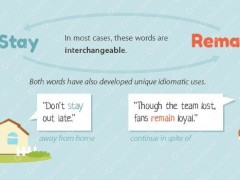
verb [vi. 不及物动词] 停留,逗留;保持原状,维持;坚持;(到访或作客时)留宿,暂住;不去,远离某地;避开,不参与(麻烦或不利局面);停止,延期,延缓;<文>控制,中止,抑制;<苏格兰>定居;暂时解除(饥饿);用支索支撑(桅杆),用牵索固定;<文>支持,支撑
You can stay here if you like. 如果你愿意,你可以留在这儿。
noun [抽象名词] 暂住,逗留;<法律>(审判的)推迟,延缓;(船桅的)支索,(杆子等的)牵索,撑条;(衬衫衣领的)撑条;<文>控制,中止,抑制;<史>胸衣,紧身褡,紧身背心;支撑物,稳固物;(飞机的)拉杆,拉索
When is Nanny coming to stay? 保姆什么时候来住呢?
与 “stay” 相关联的词汇
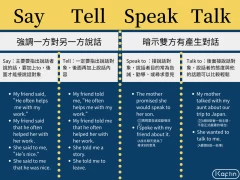
verb [vt. 及物动词] 说,讲;宣称,说明;认为,据说;发音,读;确信,确定(事实);(对某人)意味着;表达,传达;指明,表明;假设,比如说;让某人做(某事);复述,诵念;念,背诵;替(某人或某事)说好话(坏话)
She said they were very impressed. 她说他们被深深打动了。
noun [抽象名词] 发言权,决定权
You can get married at sixteen, and yet you haven't got a say in the running of the country. 你可以在16岁结婚,然而对国家的管理你还没有发言权。
interjection [惊讶] <美,非正式> (吃惊或吸引注意力)哎呀,喂
an exclamation to attract attention or express surprise, etc... 引起注意或表达吃惊的叫声。
与 “say” 相关联的词汇
noun [专属名词] 家,住宅;(可买卖的)房子,寓所;家庭;养育院,收容所;适于存放…的地方;发源地,发祥地;栖息地,生息地;家乡,祖国;(组织、公司等的)本部,基地;(比赛的)主场
Last night they stayed at home and watched TV. 昨天晚上他们待在家里看电视。
adjective [原级] 家庭的,家用的;在家里做(或进行)的;本国的,国内的;在主场进行的;<美>总部的
His wife wasn't feeling too well and she wanted to go home. 他妻子感觉有些不舒服,想要回家。
adverb [地点副词] 回家,在家;到正确的位置;朝着球门,进入到球门里
His wife wasn't feeling too well and she wanted to go home. 他妻子感觉有些不舒服,想要回家。
verb [vi. 不及物动词] 归巢;对准(目标);把(思想、注意力)集中于;把(动物)养作宠物
He spoke very good English and appeared pleased to see us, and we soon felt quite at home. 他英语说得非常好,见到我们时显得很高兴,我们很快就感到毫无拘束。

与 “home” 相关联的词汇
housework
/ˈhaʊswɜːk/noun [抽象名词] 家务劳动,家务事
Housework is a never-ending task. 家务活做起来真是没完没了。

与 “housework” 相关联的词汇
noun [专属名词] 午餐,午饭
The court adjourned for lunch. 午餐时间法庭休庭。
verb [vi. 不及物动词] <正式>(尤指在餐馆)用午餐;请(人)吃午餐
Lunch was a leisurely affair. 午餐吃得十分悠闲自在。

与 “lunch” 相关联的词汇
afternoon
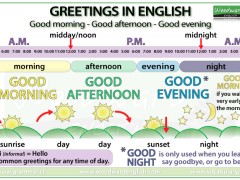
🇬🇧/ˌɑːftəˈnuːn/ 🇺🇸/ˌæftərˈnuːn/noun [专属名词] 午后,下午
He's arriving in the afternoon. 他将于下午到达。
与 “afternoon” 相关联的词汇
morning
/ˈmɔːnɪŋ/noun [专属名词] 早晨;黎明;初期
During the morning your guide will take you around the city. 上午导游将带你们逛逛这座城市。

与 “morning” 相关联的词汇
usually
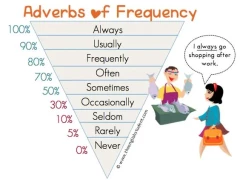
/ˈjuːʒuəli/adverb [频率副词] 通常地,经常地
The best information about hotels usually comes from friends and acquaintances who have been there. 有关旅馆的最佳信息通常来自曾经去过那儿的朋友和熟人。
与 “usually” 相关联的词汇
together
🇬🇧/təˈɡeðə(r)/ 🇺🇸/təˈɡeðər/adverb [关系副词] 在一起,共同;以使接触(或相结合),到一起;(位置)在一起,紧挨地;关系密切,有婚姻关系;同时,一齐;(团结)在一起,合作地;合计地,总和地;不间断地,接连地;靠着,贴着
The trees grew close together. 这些树紧挨着一起成长。
adjective [原级] <非正式>自信而有条理的,沉稳的;(两人)结婚的,有性关系(或恋爱关系)的
Fate had thrown them together. 命运让他们走到了一起。

与 “together” 相关联的词汇
evening
/ˈiːvnɪŋ/noun [专属名词] 晚上,傍晚;晚会,晚间活动;暮年,晚年
The evening passed enjoyably. 这个晚上过得很愉快。
interjection [赞美] 晚上好(good evening 的简称)
The evening began well. 这一天的夜晚开始得还算顺利。
adjective [原级] 在晚上的,为晚上的
I'll see you tomorrow evening. 我明天晚上见你。

与 “evening” 相关联的词汇
arrive
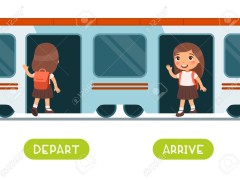
/əˈraɪv/verb [vi. 不及物动词] 到达,抵达;送达,寄到;发生,出现,诞生;开始,到来;成功,出名;作出(决定)
When you arrive at a place, you come to it for the first time in order to stay, live, or work there. 初次抵达
与 “arrive” 相关联的词汇
depart
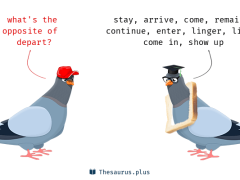
🇬🇧/dɪˈpɑːt/ 🇺🇸/dɪˈpɑːrt/verb [vi. 不及物动词] 启程,出发;背离,违背;离职
If you depart from a traditional, accepted, or agreed way of doing something, you do it in a different or unexpected way. 偏离; 违背
与 “depart” 相关联的词汇
night
/naɪt/noun [专属名词] 夜间,夜晚;晚上,傍晚;<文>黄昏;(特殊活动之)夜;黑夜,夜色;挫败时期
The fighting began in the late afternoon and continued all night. 那场战斗傍晚开始,持续了一整夜。
adjective [原级] 夜晚的;夜晚使用的;夜间进行的;夜晚活动的
It's eleven o'clock at night in Moscow. 现在莫斯科是晚上11点。
interjection [请求] 晚安(goodnight 的简称)
Dozens of doctors and nurses have been working day and night for weeks. 很多医生和护士夜以继日地工作了几周了。