Lesson 38 Water and the traveller 【单词列表】

contaminate [kənˈtæmineit] v. 污染

【派】contamination 污染

* * *

A: Private cars don't only contaminate the air in cities, but make them crowded.

B: So we should travel by public transport.

A:私家车不仅污染城市空气,而且使城市拥挤不堪。

B:所以我们应该乘公共交通出行。

* * *

sanitation [ˌsæniˈteiʃən] n. 卫生,卫生设备

sewage [ˈsjuːidʒ] n. 污水

leakage [ˈliːkidʒ] n. 泄露

* * *

A: The leakage of natural gas pipeline will result in a certain hazardous zone.

B: So we must be more careful.

A:天然气管道发生气体泄漏将造成一个危险地带。

B:所以我们要更加仔细。

* * *

intermittent [ˌintəˈmitənt] adj. 间歇的,断断续续的

【扩】fitful 断断续续的

* * *

A: I can see the intermittent flashes from the lighthouse here.

B: But I can't see it because I'm a short-sighted man.

A:我从这儿能看见灯塔发出的一闪一灭的光。

B:我就看不见,因为我是近视眼。

* * *

carbonated [ˈkɑːbəneitid] adj. 碳化的,碳酸的

acidic [əˈsidik] adj. 酸的,酸性的

alcohol [ˈælkəhɔl] n. 酒精

* * *

A: Do you have anything special here?

B: How about a non-alcoholic cocktail?

A:你们这有没有特别点的饮料?

B:尝尝不含酒精的鸡尾酒怎么样?

* * *

disinfectant [ˌdisinˈfektənt] n. 消毒剂

【扩】disinfector 消毒剂

* * *

A: We need a new bottle of disinfectant.

B: OK, I'll take it back after work tomorrow.

A:我们需要一瓶新的消毒剂。

B:好的,我明天下班后带回来。

* * *

sterilize [ˈsterilaiz] v. 消毒

ethanol [ˈeθəˌnɔl] n. 乙醇

bactericidal [bækˌtiəriˈsaidl] adj. 杀菌的

negligible [ˈneɡlidʒəbəl] adj. 可以忽略的,微不足道的

* * *

A: I am a negligible person in the corporation.

B: Don't underestimate yourself.

A:我在公司是个微不足道的人。

B:你不要妄自菲薄。

* * *

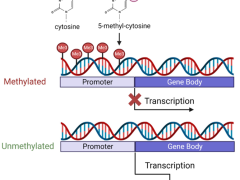
methylated [ˈmeθileitid] adj. 加入甲醇的


contamination

/kənˌtæmɪˈneɪʃ(ə)n/n. 污染
the action or state of making or being made impure by polluting or poisoning. "the risk of contamination by dangerous bacteria"

noun [具体名词]污染 - The contamination of the ocean around Puget Sound may be just the beginning.

contaminate v. to make a substance or place dirty or no longer pure by adding a substance that is dangerous or carries disease 污染

contaminant 污染物 [可数名词]
(fml.) substance that contaminates things 污染物
The water supply was found to contain dangerous contaminants like lead. 水源中发现了铅等危险污染物。
contamination 污染;弄脏 [不可数名词]
 [U] contaminating or being contaminated 污染
  • radioactive contamination
  • contamination of the water supply
  • Environmental contamination has led to a decline in local wildlife. 环境污染导致了当地野生动物数量的减少。
contaminate 污染;毒害 [动词]Industrial waste has contaminated the river, making it unsafe for swimming. 工业废水污染了河流,使其不再适合游泳。

sanitation

/ˌsænɪˈteɪʃ(ə)n/n. 卫生,卫生设备
Sanitation is the process of keeping places clean and healthy, especially by providing a sewage system and a clean water supply. (尤指通过提供排污系统和洁净水源的) 公共卫生

noun [专属名词]公共卫生,环境卫生;下水道设施,卫生设备 - Sanitation did not become widespread until the 19th century.

sanitation n. [U] the protection of public health by removing and treating waste, dirty water etc. 卫生系统或设备

  • disease resulting from poor sanitation 因卫生条件差而引发的疾病
  • Diseases spread rapidly in areas with inadequate sanitation and lack of clean water. 在卫生设施不足且缺乏清洁饮水的地区,疾病传播迅速。
  • The outbreak was largely attributed to poor sanitation in the temporary shelters. 这次疫情爆发很大程度上归因于临时避难所恶劣的卫生条件。
  • Contamination of water supplies is usually due to poor sanitation close to water sources, …
  • Many illnesses in these temporary refugee camps are the result of inadequate sanitation.

sanitary adj. connected with keeping places clean and healthy to live in, especially by removing human waste = hygienic 清洁卫生的

  • Overcrowding and poor sanitary conditions led to disease in the refugee camps.
  • The hut had no cooking or sanitary facilities.

 “san” = whole(健全的)

  • sane adj. 神智正常的;明智的
  • sanity n. 神智正常;明智
  • insane “in” = not adj. 精神失常的,疯狂的,愚蠢的
  • insanity n. 精神失常,疯狂,愚蠢
  • sanitary adj.  清洁卫生的
  • insanitary adj. 不卫生的
  • sanitation n. 卫生系统或设备
  • sanitarian n. 公共健康专家
  • sanatorium “ium” = 场所 n. 疗养院

sewage

/ˈsuːɪdʒ/n. 污水
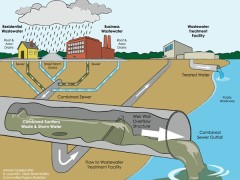
Sewage is waste matter such as faeces or dirty water from homes and factories, which flows away through sewers. (下水道排出的) 废物

noun [专属名词]污水,污物 - The raw sewage is chemically treated.

sewage n. [U] the mixture of waste from the human body and used water that is carried away from houses by pipes under the ground(下水道里的)污水,污物

  • Proper sewage disposal is essential to prevent the contamination of local groundwater. 妥善的污水处置对于防止当地地下水受到污染至关重要。
  • The city is investing in a new sewage treatment plant to improve water quality. 该市正投资建设一座新的污水处理厂以改善水质。

sewer n. [C] a pipe or passage under the ground that carries away waste material and used water from houses, factories etc. 下水道

  • He must have been familiar with the enormous madrepore of the sewer. 他必须清楚这个巨大珊瑚形阴渠。
  • The most surprising rencounter was at the entrance to the Grand Sewer. 最令人吃惊的意外发现是在大阴渠的进口处。
  • The sewer in the kitchen clogs easily. 厨房的下水道很容易堵塞。

drain n. 1. (Br. E.) [C] 下水道,地沟;2. (Am.E.) [C](卫生间或水池的)排水口

drainage n. [U] 排水

leakage

/ˈliːkɪdʒ/n. 泄漏
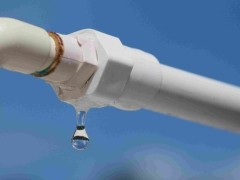
A leakage is an amount of liquid or gas that is escaping from a pipe or container by means of a crack, hole, or other fault. (液体或气) 泄漏

noun [抽象名词](机密或秘密的)泄露,透露;(液体或气体的)渗漏,泄漏;(液体或气体的)漏出量 - A leakage of kerosene has polluted water supplies.

intermittent

🇬🇧/ˌɪntəˈmɪtənt/ 🇺🇸/ˌɪntərˈmɪtənt/adj. 间歇的,断断续续的
Something that is intermittent happens occasionally rather than continuously. 断断续续的

adjective [原级]间歇的,断断续续的 - When the driver accelerated, the vacuum was insufficient to run the intermittent mode and the wipers would default to high speed.

intermittent adj. stopping and starting often over a period of time, but not regularly 断续的,间歇的

  • The forecast calls for intermittent showers throughout the afternoon. 预报显示下午整个时段会有阵雨(断断续续的雨)。
  • The speaker's jokes were met with intermittent bursts of applause from the audience. 演讲者的幽默激起了观众阵阵掌声。
  • Ships at sea rely on the intermittent flashes of light from the lighthouse for navigation. 海上的船只依靠灯塔发出的间歇闪光来导航。

 “mit” / “miss” = send

  • intermit “inter” = between v. 暂停
  • intermittent adj.  断续的;间歇的
  • intermission n.  暂停;幕间休息
  • admit “ad” = to v. 准许进入;承认
  • admission n.  准许进入;承认
  • emit “e” = out v. 发射,发出
  • emission n. 发射,发出
  • omit  “o” / “ob” = away v. 省略,删除;忽略,疏忽
  • omission n. 省略,删除;忽略,疏忽
  • permit “per” = through v. 允许
  • permission n.  允许
  • submit “sub” = under v. 提交,上交;服从,屈服
  • submission n. 提交,上交;服从,屈服
  • submissive adj.  服从的,顺从的
  • transmit “trans” = across v. 传输,传染
  • transmission n. 传输,传染
  • remit “re” = back v. 赦免,宽恕;汇款
  • remission n. 赦免,宽恕
  • remittance n.  汇款
  • manumit “manu” = hand v. 解放(奴隶)
  • manumission n.(奴隶的)解放

carbonated

🇬🇧/ˈkɑːbəneɪtɪd/ 🇺🇸/ˈkɑːrbəneɪtɪd/adj. 碳化的,碳酸的
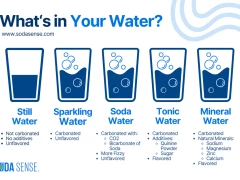
Carbonated drinks are drinks that contain small bubbles of carbon dioxide. (饮料) 含二氧化碳的

adjective [原级]碳化的,碳酸的;含二氧化碳的 - WAITER: carbonated or non-carbonated?

acidic

/əˈsɪdɪk/adj. 酸的,酸性的
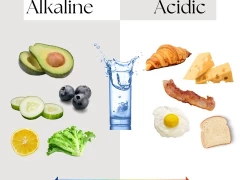
Acidic substances contain acid. 酸性的

adjective [原级]酸的,酸性的;产生酸的 - Some fruit juices are very acidic.

alcohol

🇬🇧/ˈælkəhɒl/ 🇺🇸/ˈælkəhɔːl/n. 酒精
Drinks that can make people drunk, such as beer, wine, and whisky, can be referred to as alcohol. 酒

noun [物质名词]含酒精饮品,酒;酒精,乙醇;醇 - Do either of you smoke cigarettes or drink alcohol?

disinfectant

/ˌdɪsɪnˈfektənt/n. 消毒剂
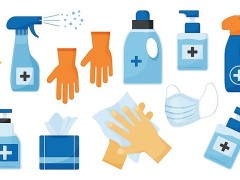
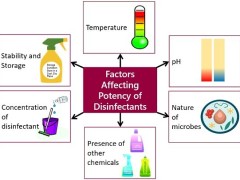
Disinfectant is a substance that kills germs. It is used, for example, for cleaning kitchens and bathrooms. 消毒剂

noun [物质名词]消毒剂 - Disinfectant kills germs.

disinfectant n. a chemical or a cleaning product that destroys bacteria 消毒剂,杀菌剂

  • We need a new bottle of disinfectant. 我们需要一瓶新的消毒剂。
  • He cleansed the cut with disinfectant. 他用消毒剂清洗伤口。
  • Saturate the bandage with disinfectant. 用消毒剂把绷带浸透。
  • Clean the infected area with disinfectant. 把受感染的部分用消毒剂消毒。
  • Best recipe for the disinfectant wash-spray. 最佳杀菌清洗喷雾配方如下。

infect v. to give someone a disease 传染

  • Once ingested by a caterpillar, the crystals dissolve, releasing the virus to infect the insect's cells. 一旦被毛虫摄入,晶体就会溶解,释放出病毒感染昆虫的细胞。
  • It is not possible to infect another person through kissing. 接吻不可能把这种病传染给他人。
  • He thought they might infect others with their bourgeois ideas. 他认为他们可能用中产阶级思想去影响别人。
infect sb. with sth. 使某人感染某种病He has been infected with HIV.

infection n. 1. [U] 传染;2. [C] 传染病

  • 'I have a chest infection,' she wheezed. “我胸部受到了感染。”她呼哧呼哧地说。
  • There is no vaccine against HIV infection. 现在还没有防艾滋病病毒传染的疫苗。
  • The infection did not respond to the drugs. 这些药物对感染没有起作用。
  • AIDS lowers the body's resistance to infection. 艾滋病降低了身体的抗感染能力。

disinfect v. 杀菌,消毒

  • You should disinfect the wound with an antiseptic to prevent infection. 你应该用防腐消毒剂给伤口消毒,以防感染。
  •  All surgical instruments must be disinfected and sterilized before the next operation. 所有手术器械在下次手术前必须经过消毒和灭菌处理。
  • The hospital ward is regularly disinfected to control the spread of bacteria. 医院病房定期进行消毒,以控制细菌的传播。

infectious adj.传染的,传染性的;有感染力的,有影响力的

  • Flu is an infectious disease caused by a virus. 流感是由病毒引起的传染病。
  • The skin rash is highly contagious, so avoid direct contact. 这种皮疹传染性极强,所以要避免直接接触。
  • Health officials must report any communicable diseases to the government. 卫生官员必须向政府报告任何可传播的疾病。
be highly infectious 高度感染性的(由病原体引起)The new strain of the virus proved to be highly infectious, spreading rapidly through the water supply. 这种病毒的新毒株被证明具有高度感染性,通过水源迅速传播。
be highly contagious 高度接触传染的(人传人)Measles is highly contagious; it can be passed on just by breathing the same air as an infected person. 麻疹具有高度传染性;仅通过与感染者呼吸同样的空气就会被传染。
infectious / contagious / communicable diseases 传染性疾病(官方/医学术语)Schools must have protocols in place to manage infectious / contagious / communicable diseases among students. 学校必须制定方案来管理学生间的传染病。

catching 会传染的(常用于口语,只能作表语)

  • Is that cough catching? I don't want to get sick before my vacation. 你那咳嗽传染吗?我可不想在度假前生病。
  • Medical professionals are trained to handle infectious diseases safely. 医疗专业人员接受过安全处理传染病的培训。
  • Is what you've got catching? I don't want to wake up with a cold tomorrow. 你得的病传染吗?我可不想明天醒来也感冒。
  • a catching disease X 不能做定语
  • I hope his cold isn’t catching. 仅用于表语

sterilize

/ˈsterəlaɪz/v. 消毒
If you sterilize a thing or a place, you make it completely clean and free from germs. 给…消毒

verb [vt. 及物动词]vt. 消毒,杀菌;使成不毛;使绝育;使不起作用 - Sulphur is also used to sterilize equipment.

ethanol

🇬🇧/ˈeθənɒl/ 🇺🇸/ˈeθənɔːl/n. 乙醇
Ethanol is another name for . alcohol的别称

noun [物质名词][有化] 乙醇,[有化] 酒精 - In fact, most biofuels are still based on ethanol.

bactericidal

/bækˌtɪərɪˈsaɪdl/adj. 杀菌的
being capable of killing bacteria.

adjective [原级]杀菌的 - Evidence suggests it harbors bactericidal efficacy against H. pylori.

bactericidal adj. destroying bacteria 杀菌的

  • Evidence suggests it harbors bactericidal efficacy against H. pylori. 有证据提示它对幽门螺杆菌有杀菌作用。
  • Objective: to study bactericidal efficacy of iodine - chitosan solution. 目的研究壳聚糖碘液的杀菌作用。
  • The organic substance had certain in fluence on its bactericidal efficacy. 有机物对其杀菌效果有一定影响。
  • Its bactericidal efficacy was influenced significantly by organic substance. 其杀菌效果受有机物影响较大。

“cid” / “cis” = cut 切掉

  • concise “con” = together adj. 言简意赅的
  • concision n.  言简意赅
  • excise “ex” = out v. 切除;删除
  • excision n.切除;删除
  • incise “in” = into v. 切开;雕刻
  • incision n.  切开;切口
  • incisive adj. 敏锐的,有洞见的
  • precise “pre” = before adj. 精确的
  • precision n.  精确
  • patricide “patr” / “pater” = father n. 弑父
  • matricide “matr” / “mater” = mather n. 弑母
  • suicide “su” = self n. 自杀
  • suicidal adj. 自杀的
  • pesticide “pest” =  害虫 n. 杀虫剂,农药
  • herbicide “herb” = grass n. 除草剂

negligible

/ˈneɡlɪdʒəb(ə)l/adj. 可以忽略的,微不足道的
An amount or effect that is negligible is so small that it is not worth considering or worrying about. 微不足道的

adjective [原级]微不足道的,不值一提的 - Its influence was rather negligible.

methylated

🇬🇧/ˈmeθəleɪtɪd/ 🇺🇸/ˈmeθɪleɪtɪd; ˈmeθəleɪtɪd/adj. 加入甲醇的
to mix with methanol 使甲基化

adjective [原级]甲基化的,加入甲醇的 - Lo and behold, doses of both fats and cytokines caused PGC-1 alpha to be methylated.

verb [vt. 及物动词]使……甲基化;在……中加甲醇(methylate 的过去分词) - If these areas become methylated, it tends to suppress transcription of the gene in question.