
noun [具体名词] (动物的)尾巴;(一些蝴蝶的)狭翅须;(物体的)尾状物,尾部;(离去事物的)末尾部分;<非正式>盯梢人,跟踪者;(男子)燕尾服;硬币的反面(tails);(水池的)浅水端,(河流的)下游;(屋瓦的)叠余外露部分;(板球)最弱的击球手;(数)截尾;(男子)燕尾服(tails)
You can use tail to refer to the end or back of something, especially something long and thin. (尤指细长物体的) 尾部 The horse stood whisking its tail. 那匹马站着挥动尾巴.
verb [vt. 及物动词] 跟踪,盯梢;(飞行物体)曲线移动; 拉紧(绞索);除去(水果或蔬菜的)梗
To tail someone means to follow close behind them and watch where they go and what they do. 跟踪 He checked behind. No tail. 他看看身后——没有人跟着。
- tail 出现在下面的课文中(提供视频、音频及笔记等可系统性学习)
- Lesson 82 Monster or fish?
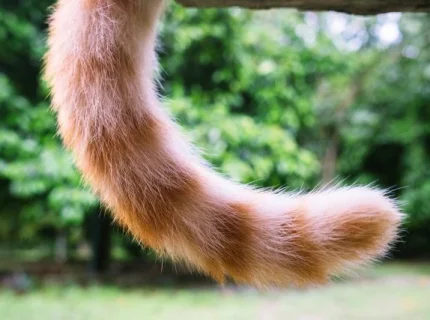
n. 尾部;踪迹;辫子;燕尾服
- 网友用 “Tail” 造句精选
- ...a black dog with a long tail. …一只长尾巴的黑狗。
- ...the horizontal stabilizer bar on the plane's tail. …飞机尾部的水平稳定杆。
- ...men in tails and women in party dresses. …穿燕尾服的男士和穿宴会礼服的女士。
- Officers had tailed the gang during a major undercover operation. 警方在一次重大的秘密行动中跟踪过这个团伙。
- "Heads or tails?" “正面还是反面?”
- The captain called heads as usual — and the coin came down tails. 队长像以往一样叫了正面—可硬币反面朝上地落了下来。
- The dog ran up, wagging its tail. 那条狗摇着尾巴跑上前去。
- The pony swished its tail. 小马刷刷地甩着尾巴。