welcome [ˈwelkəm] n. 欢迎;v. 欢迎
* * *
A: Good morning, sir. Welcome to Friendship Hotel.
B: Good morning, are you a room attendant?
A:早上好,先生。欢迎来到友谊宾馆。
B:早上好,你是客房职员吗?
* * *
crowd [kraud] n. 人群
gather [ˈɡæðə] v. 聚集
【派】together 一起
【搭】gather up 收集
gather together 聚集,收集
* * *
A: Please gather me some flowers.
B: Just a moment, please.
A:请给我采一些花来。
B:请稍等。
* * *
hand [hænd] n. (表或机器的)指针
shout [ʃaut] v. 喊叫
refuse [riˈfjuːz, riˈfjuːs] v. 拒绝
【扩】decline 拒绝
【反】agree 同意
【搭】refuse to do sth. 拒绝做某事
* * *
A: You'd better not refuse us the agency.
B: OK. We'll consider it carefully.
A:请你们不要拒绝我们成为代理人的请求。
B:好的,我们会认真考虑的。
* * *
laugh [lɑːf] v. 笑
【派】laughter 笑声
【扩】smile 微笑 giggle 咯咯笑
【搭】laugh at 嘲笑
* * *
A: Why don't you like them?
B: It makes me sick the way they laugh.
A:你为什么不喜欢他们?
B:他们笑起来的样子叫我恶心。
welcome
/ˈwelkəm/verb [vi. 不及物动词] 欢迎,迎接;迎新;乐意接纳,欣然接受;乐于接受(已发生的事);庆祝
If you welcome an action, decision, or situation, you approve of it and are pleased that it has occurred. 欣然接受
adjective [原级] (某人)受欢迎的;令人愉快的;(表示乐于让某人做某事)可随意;尽管…好了(指非常乐意让别人拥有自己不想要的东西)
If you describe something as welcome, you mean that people wanted it and are happy that it has occurred. 受欢迎的 (You are welcome. 你是受欢迎的[不客气])
noun [抽象名词] 欢迎,迎接;(对观念的)接受
Welcome is also a noun. 欢迎 • There would be a fantastic welcome awaiting him back here. 会有一场热烈的欢迎仪式迎接他回来。
interjection [高兴] 欢迎
You say "You're welcome" to someone who has thanked you for something in order to acknowledge their thanks in a polite way. 不用客气 (对别人为某事表示感谢时所作的礼貌回答)

与 “welcome” 相关联的词汇
crowd
/kraʊd/noun [集合/集体] 人群;一伙人;百姓,凡夫俗子;(尤指体育运动赛事的)观众,听众
A particular crowd is a group of friends, or a set of people who share the same interests or job. 一帮 (朋友); 一群 (志趣相投的人)
verb [vt. 及物动词] 聚集,群集;靠近,盯着;催促,催逼(因而把人激怒或惹恼);挤满,塞满
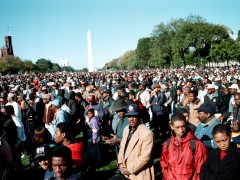
When people crowd around someone or something, they gather closely together around them. 聚集 • The hungry refugees crowded around the tractors. 饥饿的难民们围在拖拉机旁。
与 “crowd” 相关联的词汇
gather
🇬🇧/ˈɡæðə(r)/ 🇺🇸/ˈɡæðər/verb [vt. 及物动词] 聚集,召集;收集,采集;认为,推断;增加(速度、力量等);给…打褶;收紧,拉近
If you gather things, you collect them together so that you can use them. 收集 The darkness is gathering / collecting.

与 “gather” 相关联的词汇
hand
/hænd/noun [具体名词] 手;(钟表的)指针;一局牌,一手牌;帮助,援手;工人;船员,水手;支配,掌管;作用,影响;鼓掌,拍手喝彩;<文>字迹;一手之宽(用来测量马匹的高度);<旧>(女方的)允婚;表演艺人,制作工匠
The hand of someone or something is their influence in an event or situation. 影响 We're in safe hands. 我们得到妥善的照顾。
verb [vt. 及物动词] 交,递;支持,搀扶;卷(帆)
If you hand something to someone, you pass it to them. 递...给... • He handed me a little rectangle of white paper. 他递给我一小条白纸。

与 “hand” 相关联的词汇
shout
/ʃaʊt/verb [vi. 不及物动词] 叫嚷,大声说;呼叫,喊叫;呼唤,呼喊(以引起注意);大声吼叫使…住口(或讲话被淹没)(shout sb. down);将嗓子喊哑;<英> 张扬(shout about);明确无误地指出(或表示);<澳新,非正式>(在酒吧、餐厅等)请人喝饮料(或吃东西);使用大写字母(写电子邮件,表示生气)
He had to shout to make himself heard above the wind. 他不得不大喊,好让别人能在风中听见。
noun [专属名词] (愤怒、害怕、激动等的)呼喊,喊叫声;<英,非正式> 请客的酒,轮到买酒请客;<英,非正式> 紧急召集消防队(或警察)的叫喊声
The decision was greeted with shouts of protest from the crowd. 这项决定遭到了人群抗议的呼喊。

与 “shout” 相关联的词汇
refuse
/rɪˈfjuːz/verb [vt. 及物动词] 拒绝,回绝(做某事);不接受,拒绝(别人给的东西);拒绝给(所需之物);<非正式>(物体)未应要求起作用;<旧> 不接受(某人的)求婚;(马)拒绝(跨栏或其他障碍物)
If someone refuses you something, they do not give it to you or do not allow you to have it. 拒绝给予
noun [专属名词] 垃圾,废弃物
Refuse consists of the rubbish and all the things that are not wanted in a house, shop, or factory, and that are regularly thrown away; used mainly in official language. 垃圾; 废料
adjective [原级] 废弃的
The town made a weekly collection of refuse. 该镇每周收一次垃圾。

与 “refuse” 相关联的词汇
laugh
🇬🇧/lɑːf/ 🇺🇸/læf/verb [vi. 不及物动词] 笑,发笑;嘲笑,不以为然;愉悦地说;用嘲笑使(某人)离开;(特别表示因成功而)处于有利地位
If people laugh at someone or something, they mock them or make jokes about them. 嘲笑I thought they were laughing at me because I was ugly. 我想他们在嘲笑我长得丑。
noun [具体名词] 笑,笑声;令人开心的时刻;引人发笑的人或事,笑料
Lysenko gave a deep rumbling laugh at his own joke. 李森科对自己讲的笑话报以朗声大笑。