mess [mes] n. 杂乱,凌乱
【派】messy 凌乱的
【搭】mess up 弄乱 mess in 干预
* * *
A: Look at your room. What a mess!
B: Sorry, I'll clean it soon.
A:看看你的房间。多么乱呀!
B:对不起,我马上打扫。
* * *
pack [pæk] v. 打包,装箱
【派】unpack 打开包裹 backpack 双肩背包
【搭】pack in 塞入 pack up 收拾
* * *
A: Why do you leave so early today?
B: Because I have to pack the luggage tonight.
A:你今天为什么那么早就离开?
B:因为我今天晚上要打包行李。
* * *
suitcase [ˈsjuːtkeis] n. 手提箱
* * *
A: Please help me with the suitcase.
B: Do you mind me putting it in the trunk?
A:请帮我放一下这个行李箱。
B:你介意我把它放到后备箱去吗?
* * *
leave [liːv] v. 离开
【扩】depart 离开 come off 离开
【搭】leave for 离开去某地
leave alone 不理会
* * *
A: I won't leave here until next Monday.
B: Would you like to visit places of interest here these days?
A:我下周一才会离开这儿。
B:这几天你要不要参观这儿的名胜古迹呢?
* * *
already [ɔːlˈredi] adv. 已经
noun [抽象名词] 肮脏,杂乱;不整洁或邋遢的人(或物);掉落的东西,溅出的东西;(动物的)粪便;困境,混乱局面;处于困境的人
A mess is something liquid or sticky that has been accidentally dropped on something. (意外滴落的) 液体; (意外滴落的) 黏稠物
verb [vi. 不及物动词] 弄脏,弄乱;玩弄;随地便溺;在军人食堂就餐
He was messed up pretty bad by the other guy. 他被另一个家伙打成了重伤。

与 “mess” 相关联的词汇
disorderly
🇬🇧/dɪsˈɔːdəli/ 🇺🇸/dɪsˈɔːrdərli/adjective [原级] 混乱的,无秩序的;骚乱的;无法无天的
She was jailed for being drunk and disorderly. 她因酗酒滋事而被关进了监狱。
adverb [方式副词] 杂乱地,无秩序地
The owner kicked them out of the restaurant for being loud and disorderly. 他们又吵又闹,餐馆的主人把他们撵了出去。

与 “disorderly” 相关联的词汇
pack
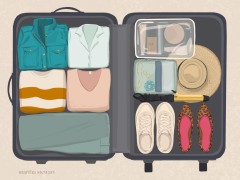
/pæk/verb [vi. 不及物动词] (把…)打包,收拾(行李);包装,装箱;(用柔软材料)把…裹(包)起来;在(容器中的食物)上覆盖物质(以防止腐烂);可折叠运输(或存放);挤进,塞满;聚集;把…盖上,填封
When people pack things, for example, in a factory, they put them into containers or boxes so that they can be shipped and sold. 包装; 把…装箱 They offered me a job packing boxes in a warehouse. 他们为我提供了一份在仓库装箱的工作。
noun [集合/集体] 包,包裹,捆;(尤指士兵或野外徒步者的)背包;(一般为纸质的)小盒,小包;一副纸牌;(一起生活猎食的)兽群(尤指狼群);(尤指不受人喜欢的)一帮,一伙
The shipping and packing costs are passed along in the item price. 运输和装箱费用已经含在单价中了。
与 “pack” 相关联的词汇
verb [vt. 及物动词] 整理行李:将个人物品整理收拾并放入行李箱或其他容器中以便旅行。
He packed up and left town., He packed up and left town. 他整理行李离开了城镇。
verb [vt. 及物动词] 停止,放弃:在事情变得困难时停止或放弃。
She packs up when things become difficult., She packs up when things become difficult. 事情变得困难时,她就放弃了。
verb [vt. 及物动词] 停止工作:指停止正常工作。
The lift has packed up, so you'll have to take the stairs to her flat., The lift has packed up, so you'll have to take the stairs to her flat. 电梯坏了,你得走楼梯去她的公寓。,

与 “pack up” 相关联的词汇
suitcase
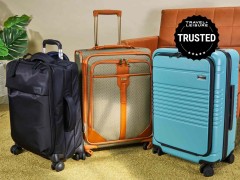
🇬🇧/ˈsuːtkeɪs/ 🇺🇸/ˈsuːtkeɪs/noun [专属名词] (旅行用的)手提箱,衣箱
Can you manage that suitcase? 你弄得动那个箱子吗?
与 “suitcase” 相关联的词汇
verb [vt. 及物动词] 离开(某人或某处);留下;丢下;剩下;遗忘
He would not be allowed to leave the country. 他不准离开这个国家。
noun [抽象名词] 假期,休假;准许,许可;(斯努克、槌球等)收盘球势,(球被击后)停留的位置
This is a button to submit the leave application. 这是用来提交休假申请的按钮。

与 “leave” 相关联的词汇
already
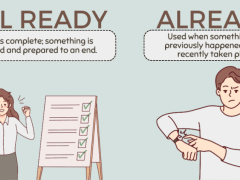
/ɔːlˈredi/adverb [关系副词] 已经,早已;<美,非正式>马上,够了(用于表达不耐烦或气恼)
We've already been introduced. 我们已经介绍认识了。
与 “already” 相关联的词汇
ready
/ˈredi/adjective [原级] (某人)准备好(做某事)的;预先备好的,可供使用的;乐意的;方便使用的,现成的;迅速的,敏捷的;即将…的;需要的,想要的
It took her a long time to get ready for church. 她花了很长时间才准备好去教堂。
noun [抽象名词] <英,非正式>现款(the ready/readies);预备好的状态
Everybody ready? It's showtime! 大家都准备好了吗?开演!
adverb [程度副词] 已做完,已完成
I didn't have a ready answer for this dilemma. 我没有现成的答案来解决这个进退两难的问题。
verb [vi. 不及物动词] <正式>做好…的准备
John's soldiers were readying themselves for the final assault. 约翰的士兵们正在为最后的进攻做好准备。