adolescence [ˌædəˈlesəns] n. 青春期
slur [sləː] n. 诋毁
【扩】slander 诋毁,中伤
【搭】throw a slur on 破坏……的名誉
disloyalty [disˈlɔiəlti] n. 不忠实
【例】He felt deeply wounded by their disloyalty.
因为他们不忠,他十分伤心。
spite [spait] n. 恶意,怀恨
【扩】malice 恶意 maliciousness 恶意
* * *
A: I'm sure he took my parking space just out of spite.
B: Maybe you worried too much.
A:我认为他侵占我的停车位肯定是有意和我作对。
B:也许你多虑了。
* * *
disillusionment [ˌdisiˈluːʒənmənt] n. 幻灭感
evaluation [ˌivæljuˈeiʃən] n. 评价
【扩】valuation 评价
* * *
A: I am not satisfied with this evaluation.
B: You should work harder, I mean.
A:这个评价让我很不满。
B:我的意思是,你需要更加努力地工作。
* * *
infallibility [inˌfæləˈbiliti] n. 一贯正确
【例】No one can claim infallibility.
谁也不能说自己是一贯正确的。
resent [riˈzent] v. 怨恨
* * *
A: His father seems to resent my being here.
B: Don't think it that way.
A:我呆在这里他的父亲似乎不大高兴。
B:你别那么想。
* * *
sincerity [sinˈseriti] n. 诚挚
* * *
A: Your sincerity is not in dispute.
B: Then what made you disgruntled?
A:你的诚恳是无可置辩的。
B:那是什么让你不满呢?
* * *
Victorian [vikˈtɔːriən] adj. 维多利亚式的
retreat [riˈtriːt] v. 后退
【扩】fall back 后退
【搭】in full retreat 逃跑
【例】The defeated army had to retreat hastily from the field of the battle to the coast.
败军被迫仓皇地从战场向海岸撤退。
unreasoning [ʌnˈriːzəniŋ] adj. 不理智的
* * *
A: It's very unreasoning to quit it right now.
B: But I don't have any other choice.
A:现在放弃是很不理智的。
B:但是我没有别的选择。
* * *
authoritarian [əˌθɔːriˈtɛəriən] adj. 专制的
【派】authoritarianism 专制主义
【扩】absolute 专制的,完全的
【例】He is a strict authoritarian.
他是一个绝对的权利主义者。
cow [kau] v. 吓唬
adolescence
/ˌædəˈles(ə)ns/noun [专属名词] 青春期,青春
Some young people suddenly become self-conscious and tongue-tied in early adolescence. 一些年青人在青春期早期突然变得害羞结舌。

与 “adolescence” 相关联的词汇
slur
🇬🇧/slɜː(r)/ 🇺🇸/slɜːr/verb [vt. 及物动词] 含混不清地说话;连奏;诽谤;有意略过(事实);用连音线标出
He repeated himself and slurred his words more than usual. 他重复着自己的话,比平常更加含糊不清地说着。
noun [具体名词] 诽谤;吐词含糊;连奏线;污点
This is yet another slur on the integrity of the police. 这将是对警察廉正的又一次毁谤。

与 “slur” 相关联的词汇
adolescent
/ˌædəˈles(ə)nt/noun [集合/集体] 青少年
Young adolescents are happiest with small groups of close friends. 年轻的青春期少年们和一小圈亲近的朋友在一起时最高兴。
adjective [原级] 青春期的;不成熟的
It is important that an adolescent boy should have an adult in whom he can confide. 一个青春期男孩应该有一个他能倾吐心声的成年人,这是很重要的。

与 “adolescent” 相关联的词汇
noun [抽象名词] 不忠实;不义,不贞;背信弃义
Charges had already been made against certain officials suspected of disloyalty. 已对某些被怀疑有不忠行为的官员提出指控。

与 “disloyalty” 相关联的词汇
adjective [原级] 怀恨的,恶意的
He could be spiteful. 他可能怀有恶意。

与 “spiteful” 相关联的词汇
disillusionment
/ˌdɪsɪˈluːʒ(ə)nmənt/noun [抽象名词] 幻灭;醒悟
Polls have charted growing disillusionment with the campaign. 民意调查显示人们对这场运动越来越失望。

与 “disillusionment” 相关联的词汇
evaluation
🇬🇧/ɪˌvæljuˈeɪʃn/ 🇺🇸/ɪˌvæljuˈeɪʃ(ə)n/noun [抽象名词] 评价,评估
He got a good evaluation. 他得到了很好的评价。

与 “evaluation” 相关联的词汇
noun [抽象名词] 无误;教皇永无谬误论
I can not claim infallibility for this method. 我不敢说这方法绝对有效。

与 “infallibility” 相关联的词汇
verb [vt. 及物动词] 怨恨,憎恶
She resents her mother for being so tough on her. 她恨她的妈妈对她如此苛刻。

与 “resent” 相关联的词汇
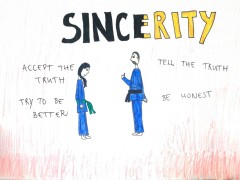
sincerity
/sɪnˈserəti/noun [抽象名词] 真诚,真挚
His sincerity impressed her. 他的真诚打动了她。
与 “sincerity” 相关联的词汇
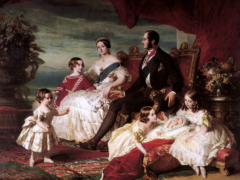
Victorian
/vɪkˈtɔːriən/adjective [原级] 维多利亚女王时代的;英国维多利亚女王时代的
We have a lovely old Victorian house. 我们有一幢可爱的维多利亚时代的老房子。
noun [专属名词] 维多利亚时代;维多利亚女王时代的人
The Victorians were the last people to invest properly in the railways. 维多利亚时代的人是恰当投资铁路的最后一代人。
与 “Victorian” 相关联的词汇
verb [vi. 不及物动词] (军队)撤退;后退,离开;(水、雪或土地)范围缩小;隐退,躲避;悔棋;改变意见,改变看法;(股价)下挫,下跌;向后倾
"I've already got a job," I said quickly, and retreated from the room. “我已经有了工作,”我迅速说道,然后就从房间里退了出来。
noun [具体名词] 撤军,撤兵;后退,离开;退隐处,静居处;(主意、观点、决定的)改变;(股票)贬值;静修期间(或活动)
In June 1942, the British 8th Army was in full retreat. 1942年6月,英军第8军全线撤退。

与 “retreat” 相关联的词汇
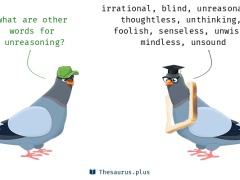
unreasoning
/ʌnˈriːzənɪŋ/adjective [原级] 未加思量的;不合理的;无理性的;不讲理的
As often happens after long sleeplessness, he was seized by an unreasoning panic. 正如长期失眠后经常发生的那样,他总是莫名其妙地惊慌。
与 “unreasoning” 相关联的词汇
authoritarian
🇬🇧/ɔːˌθɒrɪˈteəriən/ 🇺🇸/əˌθɔːrəˈteriən/adjective [原级] 独裁主义的;权力主义的
Senior officers could be considering a coup to restore authoritarian rule. 高级军官们可能会考虑发动一场政变来恢复独裁统治。
noun [专属名词] 权力主义者;独裁主义者
Father was a strict authoritarian. 父亲是个严厉的专制主义者。
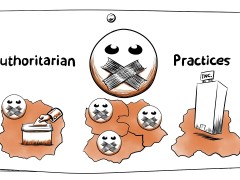
与 “authoritarian” 相关联的词汇
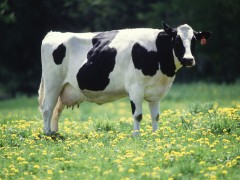
cow
/kaʊ/noun [专属名词] 母牛,奶牛;雌性动物;<非正式>婆娘,娘儿们;<澳新>讨厌的人(或事物、情况)
He kept a few dairy cows. 他养了几头奶牛。
verb [vt. 及物动词] 恐吓,威胁
If someone is cowed, they are made afraid, or made to behave in a particular way because they have been frightened or badly treated. 胁迫; 恐吓