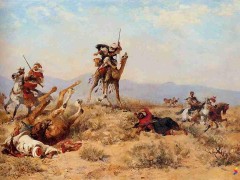
espionage [ˈespiənɑːʒ] n. 间谍活动
【扩】espial 间谍
【例】This is a bureau that runs espionage operations.
这是一个管理间谍活动的部门。
Danish [ˈdeiniʃ] adj. 丹麦的,丹麦人的,丹麦语的
minstrel [ˈminstrəl] n. 中世纪的吟游歌手
wander [ˈwɔndə] v. 漫游
【派】wandering 漫游的
【扩】roam 漫游,闲逛 vagabondize 漫游
【搭】wander about 闲逛 wander around 徘徊
* * *
A: I like the beach there because I can wander in solitude.
B: That's also the reason why I like going there.
A:我喜欢那里的海滩,因为我能独自悠闲漫步。
B:这也是我愿意去那儿的原因。
* * *
harp [hɑːp] n. 竖琴
ballad [ˈbæləd] n. 民歌
【扩】folk song 民歌
【例】He is good at singing ballad.
他擅长于唱民歌。
acrobatic [ˌækrəˈbætik] adj. 杂技的
【搭】acrobatic feats 杂技的技巧
* * *
A: I heard that the acrobatic show this evening is very good.
B: Do you mean you want to go to see it?
A:我听说今晚的杂技表演很不错。
B:你是说你想去看看?
* * *
conjuring [ˈkʌndʒəriŋ] n. 魔术
Athelney [ˈæθəlni] n. 阿塞尔纳(英国一个小岛)
Chippenham [ˈtʃipənəm] n. 切本哈姆(英国一城市)
thither [ˈðiðə] adv. 向那里
【搭】running hither and thither 到处跑
* * *
A: She carries the kitten in her mouth hither and thither.
B: She doesn't want the kitten to be hurt.
A:她用她的嘴巴叨着小猫走来走去。
B:她不想让小猫受到伤害。
* * *
Dane [dein] n. 丹麦人
slack [slæk] adj. 涣散的,懒散的
【派】slacker 懒虫
【扩】slothful 懒惰的,懈怠的 idle 懒惰的
【搭】have a good slack 好好休息一下 slack up 放慢
* * *
A: She is a slack housekeeper.
B: But she has a diligent husband.
A:她是个懒惰的主妇。
B:但她有个勤快的丈夫。
* * *
conqueror [ˈkɔŋkərə] n. 征服者
【扩】conquistador 征服者 vanquisher 征服者
【例】Summer came upon the country like a conqueror.
夏天象征服者一样莅临这个国家。
casual [ˈkæʒuəl] adj. 马虎的,随便的
【扩】casually 随便地
【反】slapdash 马虎的,草率的
* * *
A: What style of clothes do they have?
B: Anything you want. They have both casual and formal styles.
A:他们有些什么式样的衣服?
B:你要什么有什么。那里有正装也有随便点的款式。
* * *
precaution [priˈkɔːʃən] n. 预防,警惕
【派】precautionary 留心的,预防的
【扩】vigilance 警惕
* * *
A: He replaced the parts with great precaution.
B: We are lucky to have such a good technician.
A:他小心翼翼地把那些零件重新安装上去。
B:我们很幸运能有一位这么好的技师。
* * *
proceed [prəˈsiːd] v. 进行
【派】proceeding 程序,进程
【搭】proceed with sth. 继续进行 proceed from 出自
【例】Please proceed with your report.
请继续作你的报告吧。
assemble [əˈsembəl] v. 集合
【派】assembly 组装,集合
【扩】muster 集合
* * *
A: Let's assemble outside the school gate before ten tomorrow morning.
B: How many people are there altogether?
A:我们明天早上10点之前在校门外集合。
B:总共有多少人啊?
* * *
trivial [ˈtriviəl] adj. 微不足道的
【派】triviality 琐事
【扩】inappreciable 微不足道的 negligible 微不足道的
【例】I will not give up my dream for those trivial reasons.
我不会为了那些微不足道的理由放弃梦想的。
prolong [prəˈlɔŋ] v. 拖延
* * *
A: Why should we prolong this painful interview?
B: It was useless to prolong the discussion.
A:我们何必把这次痛苦的谈话继续下去呢?
B:继续争下去没有用。
* * *
commissariat [ˌkɔmiˈseəriət] n. 军粮供应
episode [ˈepisəud] n. 一个事件,片段
【扩】segment 段,节
* * *
A: Where did we come to?
B: In the end of the first episode.
A:我们刚才说到哪儿了?
B:第一集的最后。
* * *
epic [ˈepik] n. 史诗
harry [ˈhæri] v. 骚扰
【扩】annoy 骚扰 infest 侵扰
【例】He was harried by constant bothering of his fans.
崇拜者的不断骚扰令他十分苦恼。
assail [əˈseil] v. 袭击
【派】assailant 袭击者
【扩】assault 袭击 aggress 侵犯
* * *
A: The enemy may assail our defense positions tomorrow.
B: So we should get everything ready for the coming battle.
A:敌人可能明天就攻击我们的防守据点。
B:所以我们必须为即将到来的战役做好一切准备。
* * *
skirmish [ˈskəːmiʃ] n. 小规模战斗
espionage
/ˈespiənɑːʒ/noun [专属名词] 间谍行为,谍报活动
The authorities have arrested several people suspected of espionage. 当局已经逮捕了几个涉嫌从事间谍活动的人。
与 “espionage” 相关联的词汇
Alfred
🇬🇧/ˈælfrɪd/ 🇺🇸/ˈælfred/noun [专属名词] (Alfred)(英、法、捷克、德)阿尔弗雷德(人名)
Alfred shot him a sideways glance. 艾尔弗雷德斜着眼看了他一下。
Danish
/ˈdeɪnɪʃ/adjective [原级] 丹麦的;丹麦人的;丹麦语(文)的
A plane with Danish markings was over-flying his vessel. 一架带有丹麦标志的飞机正从他的轮船上空飞过。
noun [专属名词] 丹麦语;丹麦人
We bought a Danish phrase book. 我买了一本丹麦常用语手册。

与 “Danish” 相关联的词汇
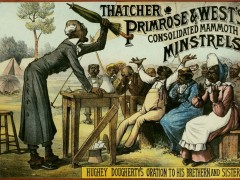
minstrel
/ˈmɪnstrəl/noun [专属名词] 歌手,艺人;吟游诗人
The poems were sung, performed by a minstrel, a singer who travelled from castle to castle, singing to the local lord and his knights. 诗歌由吟游诗人传唱,吟游诗人在城堡间旅行,为当地的领主和他的骑士们歌唱。
与 “minstrel” 相关联的词汇
wandering
🇬🇧/ˈwɒndərɪŋ/ 🇺🇸/ˈwɑːndərɪŋ/adjective [原级] 漫游的,蜿蜒的;带着色迷迷眼神的(wandering eye)
...a band of wandering musicians. ...一群漂泊的音乐人。
noun [抽象名词] 闲逛;离题(wanderings);神志恍惚(wanderings)
I spent the next year just wandering. I wasn't focused. 接下来的一年我一直在闲逛。我没有什么明确的目标。
verb [vi. 不及物动词] 漫游,游荡,漫步,流浪;走神,开小差;偏离,走偏(道路、航线等)(wander 的现在分词)
Our only companion is the wandering albatross, which glides effortlessly and gracefully behind the yacht. 我们惟一的伴侣是那只漂泊信天翁,它轻快优雅地滑翔在游艇后面。

与 “wandering” 相关联的词汇
harp
🇬🇧/hɑːp/ 🇺🇸/hɑːrp/noun [专属名词] 竖琴;竖琴螺(=harp shell/harp snail)
The harp was thrown out as rubbish. 竖琴被当作垃圾扔了出去。
verb [vt. 及物动词] <古>弹竖琴;唠叨,不停地讲(harp on)
I've seen like harp players on the underground. 我在地下通道见过弹竖琴的人。
noun [专属名词] 【名】 (Harp)(美)哈普(人名)
My heart laments for Moab like a harp, my inmost being for Kir Hareseth. 因此我心腹为摩押哀鸣如琴, 我心肠为吉珥哈列设,也是如此.
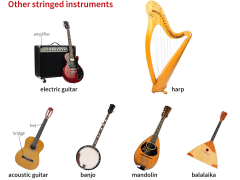
与 “harp” 相关联的词汇
noun [专属名词] 歌谣,民谣;芭乐;叙事歌谣;流行抒情歌曲
The book reads like a ballad. 这本书读起来像民谣的风格。
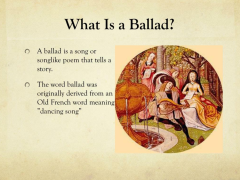
与 “ballad” 相关联的词汇
acrobatic
/ˌækrəˈbætɪk/adjective [原级] 杂技的;特技的
We got a lot of acrobatic types of people. 我们有很多杂技演员。
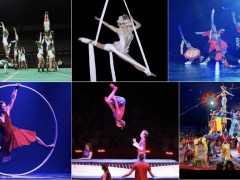
与 “acrobatic” 相关联的词汇
Chippenham
/'tʃipənhæm/noun [专属名词] 切本哈姆(英国一集镇)
There had settled down for the winter at Chippenham: thither Alfred went. 丹麦军已 在切本哈姆扎下营准备过冬,阿尔弗雷便来到此地。
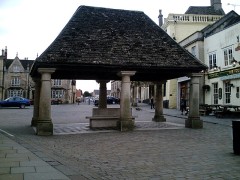
verb [vt. 及物动词] 攻击;质问;着手解决
If someone assails you, they attack you violently. 攻击 • Her husband was assailed by a young man with a knife in a nearby park. 她丈夫在附近的公园遭到一个持刀青年男子的攻击。

与 “assail” 相关联的词汇
noun [专属名词] 丹麦人;戴恩(男子名)
She poured some water into a plastic bowl. Faust, her Great Dane, lapped it up with relish. 她往一个塑料碗里倒了些水,她的丹麦大狗福斯特津津有味地舐食起来。

与 “Dane” 相关联的词汇
conjuring
🇬🇧/ˈkʌndʒərɪŋ/ 🇺🇸/ˈkɑːndʒərɪŋ/noun [具体名词] 魔术,魔术表演,变戏法
Every day a different chef will be conjuring up delicious dishes in the restaurant. 该饭店每天都有一位不同的厨师会像变戏法似地做出美味的菜肴。
adjective [原级] (与)魔术(有关)的
He amused the kids with conjuring tricks. 他变戏法逗得孩子们直乐。
verb [vt. 及物动词] 变魔术,用魔术变出;使某物突然出现(或消失);想象;使想起;召唤(神灵);恳求(conjure 的现在分词)
He is good at conjuring with silver COINS. 他擅长用银币变戏法。
与 “conjuring” 相关联的词汇
Athelney
/əˈθi:ni:/noun [专属名词] 阿塞尔内(英国小岛)
Alfred stayed in the camp a week before he returned to Athelney. 阿尔弗雷德在敌营呆了一个星期后,回到了阿塞尔纳。
slack
/slæk/adjective [原级] 不紧的,松弛的;(生意)萧条的,清淡的;懈怠的,敷衍了事的;(潮水)迟缓的,平缓的;<西印度>淫荡的,下流的
The boy's jaw went slack. 那个男孩的下巴掉下来了。
noun [抽象名词] (绳索的)松弛部分;富余部分,闲置部分;裤子(slacks);煤屑;<非正式>懈怠,懒散
If someone slacks off, Bill comes down hard. 如果有人偷懒,比尔就会严厉训斥。
verb [vt. 及物动词] 懈怠,偷懒;使(绳索等)松弛;减缓,放慢;熟化(石灰);<英,非正式>缓慢(或懒散地)工作
He had never let a foreman see him slacking. 他从未让工头见到他偷懒过。
noun [专属名词] 【名】 (Slack)(美)斯莱克(人名)
Discipline in the classroom is very slack. 班里纪律十分松懈。
与 “slack” 相关联的词汇
conqueror
🇬🇧/ˈkɒŋkərə(r)/ 🇺🇸/ˈkɑːŋkərər/noun [专属名词] 征服者,胜利者
The people of an oppressed country obey their conquerors because they want to go on living. 一个被压迫国家的人民顺从他们的征服者,是因为他们想活下去。

与 “conqueror” 相关联的词汇
casual
/ˈkæʒuəl/adjective [原级] 休闲的,便装的;随便的,非正式的;漫不经心的,随意的;临时的,短期的;碰巧的,偶然的;不认真的,马虎的;不定期的,偶尔的;感情不深的,疏远的
It's difficult for me to be casual about anything. 要我轻松待事有难度。
noun [具体名词] 便服,便装(casuals);临时工;<英>散漫青年;待命士兵
She dresses with casual elegance. 她的穿着随意而不失雅致。

与 “casual” 相关联的词汇
precaution
🇬🇧/prɪˈkɔːʃ(ə)n/ 🇺🇸/prɪˈkɔːʃn/noun [专属名词] 预防措施,防备;避孕措施(precautions)
Could he not, just as a precaution, move to a place of safety? 难道他不能就当是一种防范搬到一个安全的地方去吗?

与 “precaution” 相关联的词汇
proceeds
🇬🇧/ˈprəʊsiːdz/ 🇺🇸/ˈproʊsiːdz/noun [抽象名词] 收入,收益;实收款项
Proceeds from the concert will go to charity. 音乐会的收入将捐赠给慈善事业。
与 “proceeds” 相关联的词汇
assemble
/əˈsemb(ə)l/verb [vt. 及物动词] (使)集合,(使)聚集;装配,组装
There wasn't even a convenient place for students to assemble between classes. 甚至没有一个学生们课间集合的方便的地方。

与 “assemble” 相关联的词汇
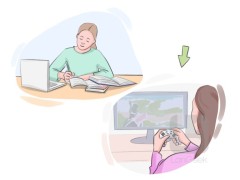
trivial
/ˈtrɪviəl/adjective [原级] 琐碎的,不重要的;容易解决的,不费吹灰之力的;(人)务小的,浅薄的;(数学)平凡的
The director tried to wave aside these issues as trivial details that could be settled later. 那位主任对这些问题置之不理,视它们为可以后解决的无关紧要的细节。
与 “trivial” 相关联的词汇
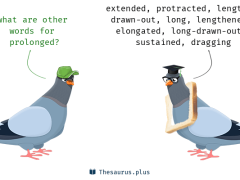
prolonged
🇬🇧/prəˈlɒŋd/ 🇺🇸/prəˈlɔːŋd/adjective [原级] 长期的,持续很久的
...a prolonged period of low interest rates. …一段很长的低利率期。
verb [vt. 及物动词] 拉长,拖长(感觉或活动);<罕>延长(prolong 的过去式和过去分词)
He left the stage to prolonged applause. 他在经久不息的掌声中退下了舞台。
与 “prolonged” 相关联的词汇
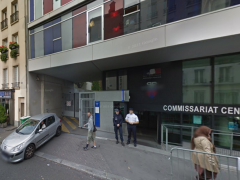
commissariat
🇬🇧/ˌkɒmɪˈseəriət/ 🇺🇸/ˌkɑːmɪˈseriət/noun [集合/集体] 粮食;粮食补给;军需部
Commissariat is the foundation of national economy base. 粮食是国民经济基础的基础。
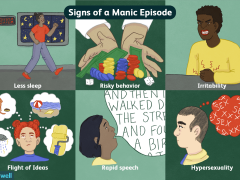
episode
🇬🇧/ˈepɪsəʊd/ 🇺🇸/ˈepɪsoʊd/noun [抽象名词] 一段经历,一段时期;(电视剧或广播剧的)集,一集;疾病的发作,发病;插句,插段;(希腊悲剧中)两段合唱之间的部分
This episode is bound to be a deep embarrassment for Washington. 这一事件必然使华盛顿大为尴尬。
与 “episode” 相关联的词汇
epic
/ˈepɪk/noun [抽象名词] (讲述英雄冒险经历的)叙事诗,史诗;史诗般的书籍(或电影等);壮举,惊人之举;<非正式>特别耗时费力的事(或活动)
Their four-hour match on Centre Court was an epic. 他们在中心球场历时四个小时的比赛是一个壮举。
adjective [原级] 史诗般的;漫长而艰难的;宏大的,壮丽的
The film is long and dramatic but does not quite earn the epithet 'epic'. 这部影片篇幅长,戏剧性强,不过还不能誉为“史诗”。
与 “epic” 相关联的词汇
harry
/ˈhæri/verb [vt. 及物动词] 不断烦扰,折磨;反复进攻,不断袭击
He is increasingly active in harrying the government in late-night debates. 他愈来愈积极地在午夜辩论节目中不断攻击政府。

与 “harry” 相关联的词汇
thither
🇬🇧/ˈðɪðə(r)/ 🇺🇸/ˈðɪðər/adverb [地点副词] 向那方;到那边
They have dragged themselves thither for shelter. 他们费力地挪到那边躲避。
adjective [原级] 对岸的;那边的
They all immediately felt a wish to go thither; all except three. 除了三个人以外,他们都想立刻就去那边。

与 “thither” 相关联的词汇
noun [抽象名词] 小冲突,小规模战斗;小争论
Border skirmishes between India and Pakistan were common. 印巴边境的小冲突曾经是常有的事。
verb [vi. 不及物动词] vi. 进行小规模战斗;发生小争论
After about 20 minutes, the skirmish was over. 经过约20分钟对打,这场小冲突就酱结束了。