lovable [ˈlʌvəbəl] adj. 可爱的
【搭】a lovable kitten 可爱的小猫
【例】His vicious temper made him an unpopular man.
他的坏脾气让他成为一个不太受欢迎的男人。
eccentric [ikˈsentrik] n. (行为)古怪的人
disregard [ˌdisriˈɡɑːd] v. 不顾,无视
【扩】ignore 不顾
【搭】in disregard of 不顾
【例】We cannot disregard his coming late to work so often.
对他上班经常迟到, 我们不能不管。
convention [kənˈvenʃən] n. 习俗,风俗
【扩】custom 风俗
【搭】local conventions 当地风俗
【例】It's a matter of convention that businessmen should wear suits.
商人应该穿西装,这是惯例。
conscious [ˈkɔnʃəs] adj. 感觉到的,意识到的
【派】consciousness 意识,觉悟
【搭】be conscious of. 意识到……
【例】He is badly hurt but still conscious.
他伤得很重,但神智还清醒。
invariably [inˈveəriəbli] adv. 总是,经常地
routine [ruːˈtiːn] n. 常规,惯例;adj. 常规的
【扩】tradition 惯例
【搭】daily routine 日常工作
【例】The security men changed their usual routine and collected the money at a different time.
保安人员改变了他们的通常做法,在不同的时间取款。
shrewd [ʃruːd] adj. 精明的
eccentricity [ˌeksenˈtrisiti] n. 怪癖
legendary [ˈledʒəndəri] adj. 传奇般的
【搭】a legendary figure 传奇人物
* * *
A: He is a household legendary figure.
B: Yes, most of my friends know his story.
A:他是个家喻户晓的传奇性人物。
B:是的,我大部分的朋友都知道他的故事。
* * *
snob [snɔb] n. 势利小人,谄上欺下的人
intense [inˈtens] adj. 强烈的
【派】intension 强度
【搭】intense pain 剧痛 intense heat 酷热
【例】He finally escaped after intense struggle.
经过剧烈的挣扎她最终逃脱了。
bedraggled [biˈdræɡəld] adj. 拖泥带水的,又脏又湿的
【例】She looked rather bedraggled.
她看上去邋里邋遢的样子。
dump [dʌmp] v. 把……砰的一声抛下
apology [əˈpɔlədʒi] n. 道歉
【派】apologize 道歉
* * *
A: Please forgive me for my impoliteness.
B: You need to make an apology.
A:请原谅我的无礼。
B:你需要道歉。
* * *
reprimand [ˈreprimɑːnd] v. 训斥
【搭】reprimand sb. for sth. 为某事训斥某人
【例】The military court ordered him to bereprimanded for failing to do his duty.
军事法庭下达裁决令:他工作失职,应受训斥。
stage [steidʒ] v. 暗中策划
elaborate [iˈlæbəreit] adj. 精心构思的,精致的
【派】elaboration 细致的工作
【搭】elaborate plan 精心的计划
* * *
A: She made elaborate preparations for the party, but no one showed up.
B: She must be very sad.
A:她为了聚会费心准备,但是一个人也没来。
B:她肯定很伤心。
lovable
/ˈlʌvəbl/adjective [原级] 可爱的,讨人喜欢的
His vulnerability makes him even more lovable. 他的弱点甚至使他显得更可爱。

与 “lovable” 相关联的词汇
eccentric
/ɪkˈsentrɪk/adjective [原级] 古怪的,异乎寻常的;不同圆心的,不正圆的
He is an eccentric character who likes wearing a beret and dark glasses. 他是个怪人,喜欢戴贝雷帽和墨镜。
noun [专属名词] 古怪的人(eccentricity 注意发音)
An eccentric is an eccentric person. 古怪的人 • Askew used several names, and had a reputation as an eccentric. 艾斯丘用过几个名字,并以“怪人”著称。

与 “eccentric” 相关联的词汇
disregard
🇬🇧/ˌdɪsrɪˈɡɑːd/ 🇺🇸/ˌdɪsrɪˈɡɑːrd/verb [vt. 及物动词] 忽视,轻视,不尊重
He disregarded the advice of his executives. 他对主管们的建议置之不理。
noun [抽象名词] 漠视,轻视
Whoever planted the bomb showed a total disregard for the safety of the public. 不论谁安置了炸弹都显示出对公众安全的全然漠视。

与 “disregard” 相关联的词汇
convention
/kənˈvenʃ(ə)n/noun [抽象名词] 习俗(social conventions),惯例;大会,集会;公约(accepted conventions),协定;(文学、艺术上的)传统手法,传统风格
In art, literature, or the theatre, a convention is a traditional method or style. 惯例(international conventions 国际惯例)

与 “convention” 相关联的词汇
conscious
🇬🇧/ˈkɒnʃəs/ 🇺🇸/ˈkɑːnʃəs/adjective [原级] 意识到的;神志清醒的,有知觉的;关注的;刻意的,慎重的
If you are conscious of something, you think about it a lot, especially because you are unhappy about it or because you think it is important. (尤指因为自认不满意或很重要而) 在意的
与 “conscious” 相关联的词汇
invariably
🇬🇧/ɪnˈveəriəbli/ 🇺🇸/ɪnˈveriəbli/adverb [方式副词] 始终如一地,一贯地
They almost invariably get it wrong. 他们几乎总是将它弄错。
与 “invariably” 相关联的词汇
routine
/ruːˈtiːn/noun [抽象名词] 常规,惯例;生活乏味,无聊;(演出中的)一套动作,一系列笑话(等);(为达到特定目的的)老一套,俗套;(计算机)例行程序
The players had to change their daily routine and lifestyle. 这些运动员不得不改变他们的每日常规和生活方式。
adjective [原级] 常规的,例行的;平常的,毫不特别的;平淡乏味的
You use routine to describe activities that are done as a normal part of a job or process. 常规的 • ...a series of routine medical tests including X-rays and blood tests.
verb [vt. 及物动词] <罕> 按惯例安排
A routine is a computer program, or part of a program, that performs a specific function. 程序 • ...an installation routine. …一个安装程序。

shrewd
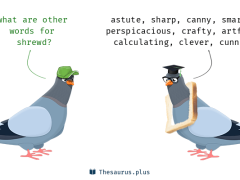
/ʃruːd/adjective [原级] (人)精明的,机敏的;(决定和判断)精明的,准确的;(打击)沉重的,尖锐的;邪恶的,恶意的;<古>(尤指天气)寒冷刺骨的,凛冽的
She's a shrewd businesswoman. 她是一个精明的商人。
eccentricity
/ˌeksenˈtrɪsəti/noun [抽象名词] 古怪;怪癖;[数] 离心率
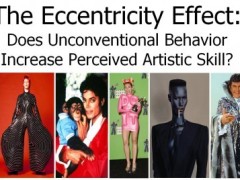
Eccentricities are ways of behaving that people think are strange, or habits or opinions that are different from those of most people. 怪癖
与 “eccentricity” 相关联的词汇
legendary
🇬🇧/ˈledʒəndri/ 🇺🇸/ˈledʒənderi/adjective [原级] 非常有名的,大名鼎鼎的;传说(中)的
A legendary person, place, or event is mentioned or described in an old legend. 传说中的 • The hill is supposed to be the resting place of the legendary King Lud.
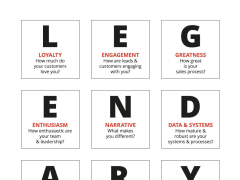
与 “legendary” 相关联的词汇
snob
🇬🇧/snɒb/ 🇺🇸/snɑːb/noun [专属名词] 势利小人,谄上欺下的人;自以为懂行者,自命不凡的人
She was an intellectual snob. 她自诩才智高人一等。

与 “snob” 相关联的词汇
adverb [程度副词] 强烈地,专注地;非常
Steve was intensely curious about the world I came from. 史蒂夫对我是从哪里来的有强烈的好奇心。
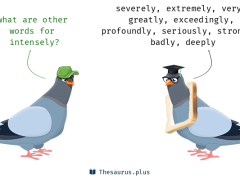
与 “intensely” 相关联的词汇
bedraggled
/bɪˈdræɡ(ə)ld/adjective [原级] 全身泥污的;满身湿透的;荒废的,破烂的
He looked weary and bedraggled. 他看上去精疲力尽,又湿又脏。
verb [vt. 及物动词] 把…在泥水中拖脏;把…拖湿(bedraggle 的过去分词)
The tents looked very bedraggled after the storm. 暴风雨过后帐篷又湿又脏。

dump
/dʌmp/verb [vt. 及物动词] 丢弃,扔掉;乱堆,乱放;丢下,抛弃;分手,甩掉;倾销,抛售;转储,转存(计算机数据);(尤指系统发生故障后内存的)打印输出,卸出
If something is dumped somewhere, it is put or left there because it is no longer wanted or needed. 丢弃 • The getaway car was dumped near the motorway. 那辆逃亡的小汽车被丢弃在高速公路附近。
noun [抽象名词] 垃圾场;废料堆场;(金矿开采作业堆积而成的)矿山废石堆;<非正式>脏地方;军需品临时存放处;转存;<美,非正式>拉屎
German law forbids the dumping of hazardous waste on German soil. 德国法律禁止在德国国土上倒弃危险废弃物。
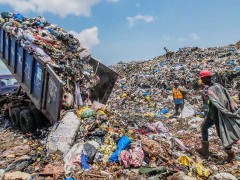
与 “dump” 相关联的词汇
apologetic
🇬🇧/əˌpɒləˈdʒetɪk/ 🇺🇸/əˌpɑːləˈdʒetɪk/adjective [原级] 道歉的,愧疚的;(为理论或宗教教义)辩护的,辩解的
The hospital staff were very apologetic but that couldn't really compensate. 医院员工都深表歉意,但那不能真正补偿。

与 “apologetic” 相关联的词汇
reprimand
🇬🇧/ˈreprɪmɑːnd/ 🇺🇸/ˈreprəmænd/verb [vt. 及物动词] 谴责
He was reprimanded by a teacher for talking in the corridor. 他因在走廊里说话而被一位老师训斥。
noun [抽象名词] 谴责,训斥
He has been fined five thousand dollars and given a severe reprimand. 他被罚款5000美元,并且受到严厉的训斥。

与 “reprimand” 相关联的词汇
noun [具体名词] 阶段,时期;旅程(或赛跑中)的一段;舞台;戏剧,戏剧表演;(尤指政治)舞台,活动领域;(火箭的)级;层,楼层,塔层;演员职业;<非正式>马车;(显微镜的)镜台;(电子)(电路的)级;(地质)(年代地质学用语)与某时代对应的一段地层,层
In a theatre, the stage is an area where actors or other entertainers perform. 舞台 She pirouetted across the stage.
verb [vt. 及物动词] 上演,演出;主办,举行;使发生;成功做成(某事);(医)把(疾病,病人)诊断(或归类)为疾病的特定期
If you stage an event or ceremony, you organize it and usually take part in it. 主办; 举行 Atlantic City is the hot favourite to stage the fight.

与 “stage” 相关联的词汇
elaborate
/ɪˈlæbərət/adjective [原级] 复杂的,详尽的;精心制作的
Elaborate plans, systems, and procedures are complicated because they have been planned in very great detail, sometimes too much detail. (有时过于) 周密的
verb [vi. 不及物动词] 详细说明,详尽阐述;精心制作
If you elaborate a plan or theory, you develop it by making it more complicated and more effective. 周密制定; 周密发展