
verb [vt. 及物动词] 查出,发现,追踪;追溯,追究;描绘(事物的过程或发展),记述;(尤指用手指、脚趾)画(图,线);勾画……的轮廓,勾勒;(用透明纸覆盖在地图、绘画等上)复制,描摹;(手指、嘴唇等)沿着……移动
The exhibition traces the history of graphic design in America from the 19th century to the present. 这个展览会追溯了从19世纪到现在美国平面设计的历史。
noun [具体名词] 痕迹,遗迹,踪迹;微量,少许;描记图,扫描线;挽绳,缰绳;跟踪,追查;(大脑上的学习或记忆)痕迹,印迹;<西印度,美>小径,小道;交线,迹线;(数)迹
...Bronx residents who trace their families back to Dutch settlers. …将自己的家族追溯到荷兰移民者们的布朗克斯居民。
noun [专属名词] 【名】 (Trace)(美)塔斯(人名)
Wash them in cold water to remove all traces of sand. 用冷水清洗它们以清除所有的沙子。
- trace 出现在下面的课文中(提供视频、音频及笔记等可系统性学习)
- Lesson 58 A spot of bother
- Lesson 1 Finding fossil man
- Lesson 15 Secrecy in industry
描绘(trace 过去的事 )车轮的痕迹(track 现在的事)
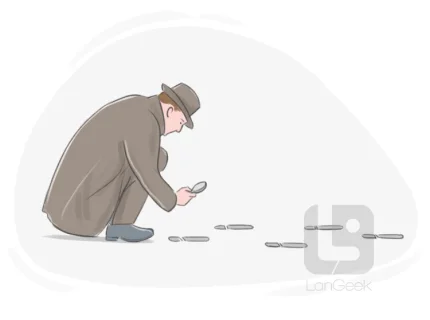
vi. 追溯;沿路走
- 网友用 “Trace” 造句精选
- Police are anxious to trace two men seen leaving the house just before 8am. 警察急切想找到在接近早晨8点前被人看到离开那幢房子的两名男子。
- I traced the course of the river on the map spread out on my briefcase. 我在自己公文包上铺展开的地图中勾画出了这条河的流向。
- One day he left, disappeared without a trace. 有一天他离开了,消失得无影无踪。
- How far back can you trace your family tree? 你的家谱可以追溯到多少代?
- The trace showed a normal heart rhythm. 描记图表明心率正常。
trace 的重要知识点
虽然 Trace 和 Track 在中文里经常都被翻译为“追踪”或“痕迹”,但它们在侧重点和使用语境上有明显的不同。简单来说:Trace 倾向于“顺藤摸瓜”寻找起源,而 Track 倾向于“实时监控”或“路径跟踪”。
| Trace 追溯 / 找寻源头(像是一个考古学家在通过碎片拼凑真相) | Track 追踪 / 轨迹监控(像是一个雷达在监控飞行器的坐标) |
|---|---|
| Focuses on finding the origin or history of something. 侧重于通过细微的痕迹去寻找起源或已经消失的事物。 | Focuses on following the path or progress of something moving. 侧重于观察移动过程或记录实时的进度。 |
| Backward-looking: from present to past. 向后看(回溯):从现在寻找过去。 | Forward-looking: following current movement. 向前看(跟随):跟随当前的动态。 |
| The police are trying to trace the stolen phone's origin. 警察正试图追溯这部被盗手机的源头。 | You can track your package online in real-time. 你可以通过网络实时追踪包裹的物流状态。 |
| There was no trace of poison in the food. 食物中没有留下任何投毒的痕迹(极少量)。 | The hunters followed the tracks of the deer. 猎人们沿着鹿的足迹前行。 |