
noun [专属名词] 坟墓,墓穴;死亡,终结;(废旧机器等的)堆积处;(法语等语言里的)抑音符号,沉音符
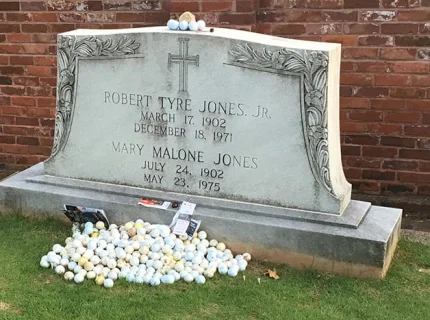
They used to visit her grave twice a year. 他们以前每年给她上两次坟。
adjective [原级] 严峻的,严重的;严肃的,庄重的;认真的,深切的;带钝重音符的;(用作演奏演唱指示)缓慢的,庄严的
He said that the situation in his country is very grave. 他说他的国家形势很严峻。
adverb [程度副词] (用作演奏演唱指示)缓慢地,庄严地
They had gravely impaired the credibility of the government. 他们已严重地损害了政府的信用。
verb [vt. 及物动词] <文>铭记,铭刻;<古>刻(铭文,图像);<史>(用烧掉附着物然后涂以沥青的方法)清理(船底),拷铲油漆(船底)
Darwin must be turning in his grave at the thought of what is being perpetrated in his name. 一想到冒他之名所做下的那些事,达尔文在九泉之下一定会不得安宁。
noun [专属名词] 【名】 (Grave)(德、英)格拉维(人名)
Anxiously, she examined his unusually grave face. 她不安地审视着他那张异常严肃的脸。
- grave 出现在下面的课文中(提供视频、音频及笔记等可系统性学习)
- Lesson 57 Back in the old country
- Lesson 37 The process of ageing
勇(brave)者无畏生死, 不惧坟墓(grave)
adj. 严肃的;重大的;黯淡的
- 网友用 “Grave” 造句精选
- "I think I've covered that business more than adequately," he said gravely. “我认为我已经把那件事搞得够详细的了,”他一脸严肃地说。
- There were flowers on the grave. 坟上有些花。
- Relatives laid wreaths on the grave. 死者亲属在墓前献了花圈。
- His grave has become a place of pilgrimage. 他的陵墓成了参拜之地。