idea [aiˈdiə] n. 主意
【搭】have no idea 不知道
good idea 好主意
* * *
A: Does this skirt suit me? I have no idea.
B: I think it suits you very well.
A:这裙子我穿着好看吗?我拿不定主意。
B:我觉得它非常适合你。
* * *
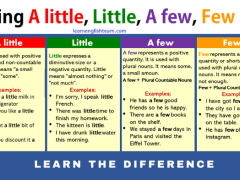
a little 少许(用于不可数名词之前)
teaspoonful [ˈtiːspuːnful] n. 一满茶匙
* * *
A: Add a teaspoonful of sugar, please.
B: Don't you think it's too much.
A:加一满茶匙糖。
B:你不认为那太多了点儿吗?
* * *
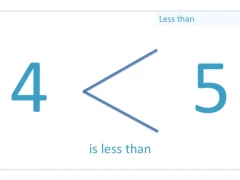
less [les] adj. 较少的,更小的
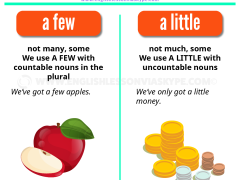
a few [ə-ˈfjuː] 几个(用于可数名词之前)
pity [ˈpiti] n. 遗憾
【派】pitiful 令人同情的 pitiless 无情的
【扩】regret 遗憾 out of pity 出于同情
* * *
A: I'm afraid I can't attend your party tonight.
B: What a pity!
A:恐怕我今晚不能参加你的聚会了。
B:真遗憾!
* * *
instead [inˈsted] adv. 代替
【扩】in place of 代替 replace 取代
【搭】instead of 代替
* * *
A: We don't have any beef today. Would you like to have some mutton instead?
B: OK. I like mutton very much, too.
A:我们今天没有牛肉。来点儿羊肉代替怎么样?
B:好啊,我也很喜欢吃羊肉。
* * *
advice [ədˈvais] n. 建议,忠告
【扩】advise 建议 counsel 忠告 suggestion 建议
【搭】take one's advice 接受建议 follow one's advice 接受建议
* * *
A: Can I offer you some advice?
B: Of course. What do you think I should do?
A:我可以给你提供一些建议吗?
B:当然可以了。你认为我应该做什么呢?
Lesson 110 How do they compare? 比一比
most [məust] adj. 最多的
least [liːst] adj. 最小的,最少的
* * *
A: It's very kind of you to come to see me off.
B: Not at all. It's the least I could do.
A:谢谢你前来为我送行。
B:不客气,这是我起码该做的。
* * *
best [best] adj. 最好的
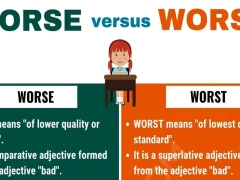
worse [wəːs] adj. 更坏的
* * *
A: I suppose I should have been there much earlier.
B: Oh, come on! Cheer up! It could have been a lot worse, you know.
A:我想我本该更早点儿到的。
B:噢,别这样,振作起来!已经不错啦,本来可能比现在更糟的。
* * *
worst [wəːst] adj. 最坏的
noun [抽象名词] 想法,主意;观点,看法;原则,信念;理解,了解;猜想;目标,意图;(柏拉图哲学)理念
The idea fills me with disgust. 这个想法让我感到十分厌恶。

与 “idea” 相关联的词汇
a little
/ə ˈlɪtl/noun [专属名词] 一点儿,少量
Sightseers may be a little overwhelmed by the crowds and noise. 拥挤的人群和喧闹的噪音可能会让游客有些茫然不知所措。
与 “a little” 相关联的词汇
little
/ˈlɪt(ə)l/adjective [原级] 小的,比较小的;用于强调对某人或某物的意见;年幼的;短暂的,近的;微不足道的;可爱的,可怜的
We sat around a little table, eating and drinking wine. 我们围坐在一张小桌子旁吃饭、喝酒。
adverb [程度副词] 一点儿,少得几乎没有;少量的,一些;极少,轻微;几乎不;短时间地,一会儿地
On their way back to Marseille they spoke very little. 在他们回马赛的路上,他们说话不多。
pronoun [指示代词] 少许
They get paid for it. Not much. Just a little. 他们拿到工资了。不太多,就一点点。
adjective [原级] det. 一点儿,少得几乎没有;少量的,一些
I had little money and little free time. 我没什么钱,也很少有空闲时间。
与 “little” 相关联的词汇
teaspoonful
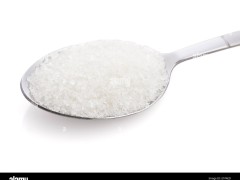
🇬🇧/ˈtiːspuːnfʊl/ 🇺🇸/ˈtispʊnˌfʊl/noun [具体名词] 一茶匙的量
She gave Tom a teaspoonful and watched with the deepest anxiety for the result. 她给了汤姆服用了一茶匙,然后非常焦急地等着结果。
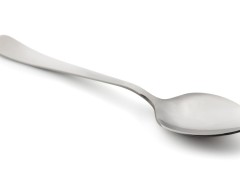
spoon
/spuːn/noun [专属名词] 匙,勺子;(作打击乐器用的)调羹对;一匙的量;调羹状物品
He stirred his coffee with a spoon. 他用匙搅了搅咖啡。
verb [vt. 及物动词] 用匙舀,使成匙状;高挑球
He stirred his coffee with a spoon. 他用匙搅了搅咖啡。
与 “spoon” 相关联的词汇
less
/les/adverb [程度副词] 更少地,程度较低地
I often think about those less fortunate than me. 我经常想到那些不如我幸运的人。
preposition [状态和条件] 减去,扣除
You will pay between ten and twenty five percent, less tax. 你要付税后的10%到25%。
pronoun [指示代词] 更少,较小;更小(或更无关紧要)的事物
Borrowers are striving to ease their financial position by spending less and saving more. 借款者都在努力通过少花多存来缓解经济紧张状况。
adjective [原级] <古>等级较低的,次要的
People should eat less fat to reduce the risk of heart disease. 人们应该少吃脂肪以减少患心脏病的风险。
与 “less” 相关联的词汇
noun [抽象名词] 一些;几个
I have tried to pack a good deal into a few words. 我尽量言简意赅。
与 “a few” 相关联的词汇
noun [专属名词] 同情,怜悯;可惜的事,遗憾的事;仁慈,慈悲
He felt a sudden tender pity for her. 他突然对她起了温柔的同情心。
verb [vi. 不及物动词] 同情,怜悯
I don't know whether to hate or pity him. 我不知道是该恨他还是该同情他。

与 “pity” 相关联的词汇
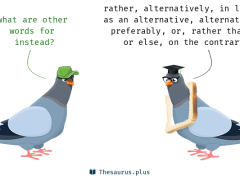
instead
/ɪnˈsted/adverb [方式副词] 代替,顶替,反而
He put a plus instead of a minus. 他填了个加号而不是减号。
advice
/ədˈvaɪs/noun [抽象名词] 忠告,劝告,建议;(金融交易)正式通知;消息
Take my advice and stay away from him! 听我的忠告,离他远点!

与 “advice” 相关联的词汇
noun [抽象名词] 嗓音,说话声,歌唱声;说话能力;歌唱能力; 发言权,表达意愿的权利(或方式);愿望,意见,呼声;
Miriam's voice was strangely calm. 米里亚姆的声音出奇地平静。
verb [vt. 及物动词] 表达,吐露(感情或意见);(语音)发浊音;(乐)给(管风琴)调音
Some scientists have voiced concern that the disease could be passed on to humans. 一些科学家已经表示,担心这种疾病可能会传染给人类。

与 “voice” 相关联的词汇
most
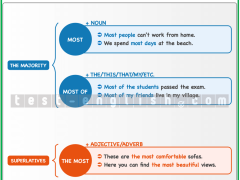
🇬🇧/məʊst/ 🇺🇸/moʊst/pronoun [指示代词] (数量上)最多,最大( much, a lot of, many 的最高级);大多数
Seventeen civilians were hurt. Most are students who had been attending a twenty-first birthday party. 17名平民受了伤,其中大多数是参加一个21岁生日聚会的学生。
adverb [程度副词] 最;(程度上)最大;极其,非常;<北美,非正式>几乎;(在谈话中用于引起注意)最…;通常;(可能的)最大量
What she feared most was becoming like her mother. 她最害怕的是变得像她母亲一样。
adjective [最高级] 大多数的;最大程度的,最大数量的
The president himself won the most votes. 总统本人赢得了最多的选票。
与 “most” 相关联的词汇
least
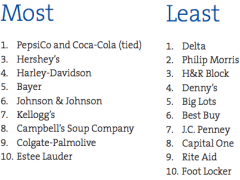
/liːst/adjective [最高级] 一点儿;最少的(little 的最高级);最微不足道的(little 的最高级形式);用于极小动植物的名称,如least shrew(little 的最高级形式)
I try to offend the least amount of people possible. 我尽可能少得罪人。
adverb [程度副词] 最低程度地;最少,至少
About two-thirds of adults consult their doctor at least once a year. 大约三分之二的成年人一年至少看一次医生。
noun [专属名词] 最不重要的事物,最微小的事物;至少,起码
I was surprised, to say the least. 毫不夸张地说,我感到吃惊。
pronoun [指示代词] 最少量;起码
On education funding, Japan performs best but spends the least per student. 在教育资金方面,日本做得最好,但是对每个学生的投入却最少。
与 “least” 相关联的词汇
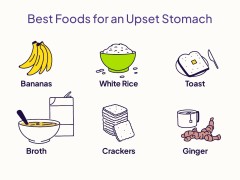
adjective [最高级] 最好的,最出色的;最愉快的,最幸福的;最合适的,最恰当的
Lighter shades suit you best. 浅色最适合你。
adverb [程度副词] 最,最高程度地;最出色地,最高标准地;最适合地,最恰当地
He's the best man for the job. 他是这项工作的最佳人选。
noun [抽象名词] 最好的事物(或人);(人或事物所能达到的)最高标准;最合乎要求的事物;(个人的)最高水平,最高纪录;最好的衣服,盛装;<美>(书信结尾的)良好祝愿
He's the best man for the job. 他是这项工作的最佳人选。
verb [vt. 及物动词] 打败,胜过
Which one do you like best? 你最喜欢哪一个?
与 “best” 相关联的词汇
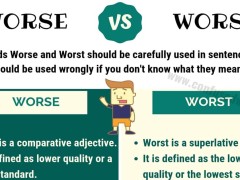
adjective [比较级] 更糟的,更坏的,更差的;(病得)更厉害的
The grandparents sigh and say how things have changed for the worse. 祖父母叹着气然后说事情是如何变得更糟糕的。
adverb [方式副词] 更坏,更差,更糟;更糟的是,更倒霉的是
The situation got steadily worse. 局势逐渐恶化。
noun [专属名词] 更糟的事,更恶劣的情况
I've been to far worse places. 我到过糟糕得多的地方。
与 “worse” 相关联的词汇
adverb [方式副词] 最差地,最糟地,最严重地
Nikolai's English was much the worst. 尼柯莱的英语糟糕透了。
noun [专属名词] 最坏的人(或事),最糟的情况
Though mine safety has much improved, miners' families still fear the worst. 虽然矿井安全已极大改善,矿工的家属们仍然担心发生最糟糕的事情。
verb [vt. 及物动词] 打败,击败
At best Nella would be an invalid; at worst she would die. 最好的情况是内纳会成为一个残疾人,最糟糕的情况是她会死亡。
adjective [最高级] 最差的,最糟的,最严重的
If the worst comes to the worst, we'll just have to sell the house. 如果最坏的事发生,我们就只好把房子卖掉。