week [wiːk] n. 周
* * *
A: How long will the meeting last?
B: It will last for about one week.
A:这次的会议要持续多长时间?
B:大约要持续一周时间。
* * *
London [ˈlʌndən] n. 伦敦
suddenly [ˈsʌdnli] adv. 突然地
* * *
A: I feel quite embarrassed for suddenly having to make this kind of request.
B: It doesn't matter. Go ahead, please.
A:突然不得不提出这样的请求,实在不好意思。
B:没关系,请说吧。
* * *
bus stop [ˈbʌs-stɔp] 公共汽车站
smile [smail] v. 微笑
pleasantly [ˈplezntli] adv. 愉快地
understand [ˌʌndəˈstænd] v. 懂,明白
【派】understanding 理解 misunderstand 误解
【搭】understand each other 互相了解
* * *
A: We have to be fair about these things.
B: I understand your position.
A:对这种事情,我们一视同仁。
B:处在你们的位置,这样做我很理解。
* * *
speak [spiːk] v. 讲,说
【派】speaker 喇叭
【扩】relate 叙述 say 说,讲
【搭】speak out 大声说
speak on 继续说
* * *
A: To go to the English Corner is to give you a good chance to open your mouth to speak.
B: Maybe I can go there to have a try.
A:去英语角就是给你一个开口说英语的好机会。
B:也许我可以去那儿试一试。
* * *
hand [hænd] n. 手
【派】handkerchief 手帕
【扩】arm 手臂
【搭】hand in hand 手牵手
hands up 举手 give a hand 帮助
* * *
A: Hold the steering wheel with your hands at ten o'clock and two o'clock.
B: And what shall I do then?
A:把手握在方向盘的10点及2点钟方向。
B:我接着该这么做?
* * *
pocket [ˈpɔkit] n. 衣袋
【派】pickpocket 扒手
【扩】pouch 小袋
【搭】pick a pocket 扒窃
out of pocket 赔钱
* * *
A: When you get on the front of the bus, just drop your money into the box.
B: What shall I do if I happen to have no change in my pocket?
A:你从车的前门上车时,把钱丢进钱箱就行了。
B:如果我口袋里刚好没有零钱,那怎么办?
* * *
phrasebook 短语手册,常用语手册
phrase [freiz] n. 短语
slowly [ˈsləuli] adv. 缓慢地
* * *
A: Some people want to be in shape in a short time, so they overstress their bodies and get hurt that way.
B: That's wrong. I take it slowly and enjoy it.
A:有些人想在短时间内拥有好身材,于是过度锻炼,导致受伤。
B:那是不对的,我只是慢慢进行,享受运动的乐趣而已。
Lesson 74 What did they do?他们干了什么?
hurriedly [ˈhʌridli] adv. 匆忙地
* * *
A: She spoke low and hurriedly.
B: Have you heard all what she said?
A:她说得很快很小声。
B:你听清她说的所有内容了吗?
* * *
cut [kʌt] v. 割,切
【派】cutter 刀具
【扩】slice 切(片) chip 切(碎)
【搭】cut down 砍倒 cut in 插嘴
cut off 切掉
* * *
A: You cut the cake and pass it around while I get the drinks.
B: Do you know where the drinks are?
A:你切蛋糕分给大家吃,我去拿饮料。
B:你知道饮料在哪儿吗?
* * *
thirstily [ˈθəːstili] adv. 口渴地
go [ɡəu] v. 走
【搭】go abroad 出国
go to school 去上学
go on 继续 go against 反对
* * *
A: When shall we go?
B: Mary is not ready. Let's wait for her.
A:我们什么时候走?
B:玛丽还没做好准备,我们等等她。
* * *
greet [ɡriːt] v. 问候,打招呼
week
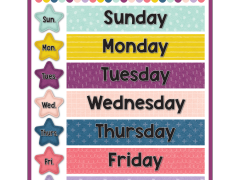
/wiːk/noun [专属名词] 星期,周;一个星期的时间,一周;一周工作时间,工作周;(除去星期六和星期日的)星期,周;活动周(举行某项活动的一周);(从某天算起的)一周;(某天之前的)一周;一周又一周,接连好几个星期
A week is a period of about seven days. 一周时间
与 “week” 相关联的词汇
London
/ˈlʌndən/noun [专属名词] 伦敦
There are two codes for London. 伦敦有两个电话区号。

adverb [方式副词] 突然地,出乎意料地
Her expression suddenly altered. 她的表情突然变了。

与 “suddenly” 相关联的词汇
bus stop
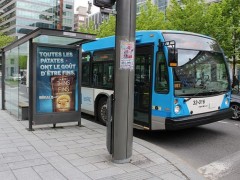
/ˈbʌs stɒp/noun [专属名词] 公共汽车站
The bus stop is few yards below the post office. 公共汽车站在邮局向南几码的地方.
bus
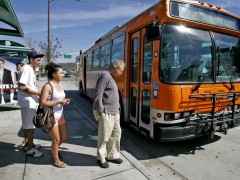
/bʌs/noun [专属名词] 公共汽车
They got chucked off the bus. 他们被赶下了公共汽车。
verb [vt. 及物动词] 乘公共汽车
On May Day hundreds of thousands used to be bused in to parade through East Berlin. 昔日每逢五一劳动节,成千上万的人们通常会被公共汽车载着游行穿过东柏林。
与 “bus” 相关联的词汇
stop
🇬🇧/stɒp/ 🇺🇸/stɑːp/verb [vi. 不及物动词] 使)停止,结束;(使)中断;(机器等)停止运转;(汽车或火车)停靠;暂时中断(以便做某事);防止,阻拦;戒除(习性);堵塞;(旅途中)逗留,停留;<英,非正式>(在某人家)短暂停留;停付,扣除;<非正式>被(子弹)击中
Why didn't he stop me? 他为什么没有阻止我呢?
noun [专属名词] 停止,终止;车站;<美>停车路口;(旅行中的)逗留,停留;塞音;(风琴的)音栓;(管风琴的)音管;(让银行)止付;救球;<英>句号;掣子,止动器;掣索;光圈;(桥牌)大牌,控制牌
He was headed for the bus stop. 他正朝着公交车站走去。

与 “stop” 相关联的词汇
smile
/smaɪl/verb [vi. 不及物动词] 微笑;微笑着说,以微笑表示;现出(笑容);觉得好笑,觉得高兴;惠及,赞许
When he saw me, he smiled and waved. 他见到我时,他笑了笑,挥了挥手。
noun [具体名词] 微笑,笑容;一脸笑意,喜滋滋的(all smiles)
"There are some sandwiches if you're hungry," she said with a smile. “ 如果你饿了,那儿有些三明治,”她微笑着说。

与 “smile” 相关联的词汇
adverb [关系副词] 愉快地;和蔼地,亲切地;友好地
We talked pleasantly of old times. 我们愉快地谈论着过去的时光。
与 “pleasantly” 相关联的词汇
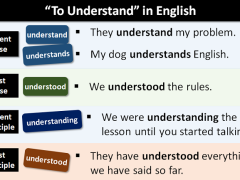
understand
🇬🇧/ˌʌndəˈstænd/ 🇺🇸/ˌʌndərˈstænd/verb [vi. 不及物动词] 理解,懂得;了解,明白(某事物);谅解,体谅;得知,听说;默认,默许;领会,推断出;解释
I think you heard and also understand me. 我想你听到了我的话,而且也明白我的意思。
与 “understand” 相关联的词汇
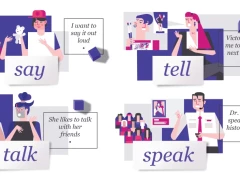
verb [vi. 不及物动词] 谈话,交谈;说,讲述;(会)讲(某种语言);发言,演讲;(不用言语)表明,显示;代表…讲话,充当…的代言人;(发言或写作中)提到,谈及;以…方式说;表达(思想、观点);(乐器或其他物体)发出特有的响声;(猎狗)吠
He tried to speak, but for once, his voice had left him. 他试图说话,但这一次,他已说不出声。
与 “speak” 相关联的词汇
hand
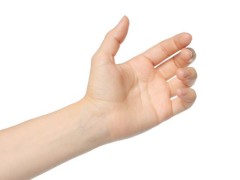
/hænd/noun [具体名词] 手;(钟表的)指针;一局牌,一手牌;帮助,援手;工人;船员,水手;支配,掌管;作用,影响;鼓掌,拍手喝彩;<文>字迹;一手之宽(用来测量马匹的高度);<旧>(女方的)允婚;表演艺人,制作工匠
The hand of someone or something is their influence in an event or situation. 影响 We're in safe hands. 我们得到妥善的照顾。
verb [vt. 及物动词] 交,递;支持,搀扶;卷(帆)
If you hand something to someone, you pass it to them. 递...给... • He handed me a little rectangle of white paper. 他递给我一小条白纸。
与 “hand” 相关联的词汇
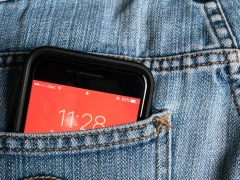
noun [专属名词] 衣袋,口袋;钱财,财力;(附在某物上的)小口袋,小容器;<南非>(用作贸易计量的)(农产品)袋;(与周围不同的)小群体,小区域;(台球)网袋,球袋;岩石或地层中充满矿石或其他物质的空洞
A pocket of something is a small area where something is happening, or a small area which has a particular quality. (与周围区域不同或孤立的) 小块地区
verb [vt. 及物动词] 把…放入口袋;把…装进腰包,将…据为己有;赚取,获得(钱财);击(球)入袋;收敛,抑制(感情);包,围
If someone who is in possession of something valuable such as a sum of money pockets it, they steal it or take it for themselves. 将…据为己有(pick one's pocket)
adjective [原级] 袖珍的,袋装的
You use pocket to describe something that is small enough to fit into a pocket, often something that is a smaller version of a larger item. 袖珍的
与 “pocket” 相关联的词汇
phrasebook
🇬🇧/ˈfreizbuk/ 🇺🇸/ˈfreɪzbʊk/noun [专属名词] 常用语手册,短语手册
Why did the man need a phrasebook? 为什么这位男士需要一本常用语手册?
phrase
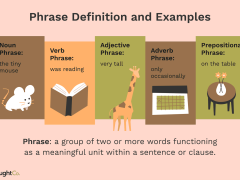
/freɪz/noun [专属名词] 短语,词组;惯用语,习语;乐句;(芭蕾)舞句
A phrase is a small group of words that forms a unit, either on its own or within a sentence. 短语; 词组
verb [vt. 及物动词] 用…方式表达,以…措辞表达;把(乐曲)分成短句
If you phrase something in a particular way, you express it in words in that way. 用言语表达 • I would have phrased it quite differently. 我则会用完全不同的话来表达它。
与 “phrase” 相关联的词汇
adverb [程度副词] 缓慢地,慢慢地
The snake slowly uncurled. 那条蛇慢慢地伸开了蜷缩的身子。

与 “slowly” 相关联的词汇
hurriedly
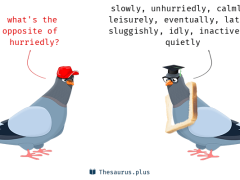
🇬🇧/ˈhʌrɪdli/ 🇺🇸/ˈhɜːrɪdli/adverb [方式副词] 匆忙地,仓促地
She hurriedly buttoned (up) her blouse. 她急忙扣好衬衫。
与 “hurriedly” 相关联的词汇
cut
/kʌt/verb [vi. 不及物动词] (尤指用刀)切,割,砍,剪,削,剁;削减,缩减;删节,删减;停止,切断(供应);抄近路; (为决定谁先出牌等)切牌,抽牌
Mrs. Haines stood nearby, holding scissors to cut a ribbon. 海恩斯太太站在旁边,拿着剪刀剪缎带。
noun [具体名词] (从动物躯体上)割下的一块肉;(尤指通过不诚实手段获得的)份,份额;(在山中开出的)通道;伤口,划口;(锋利物留下的)开口,破口;(数量或尺寸上的)削减;理发,发型
Carefully make a cut in the shell with a small serrated knife. 用有锯齿的小刀小心地在壳上切个口。
adjective [原级] 缩减的;割下的;雕过的;阉割过的
Unfortunately, things cannot be as cut and dried as many people would like. 不幸的是,事情并不像很多人希望的那样板上钉钉。

与 “cut” 相关联的词汇
thirstily
🇬🇧/ˈθɜːstɪli/ 🇺🇸/ˈθɜːrstɪli/adverb [方式副词] 口渴地;如饥似渴地
He drank the whole bottle of coco-cola thirstily. 他如饥似渴地喝完了整瓶可口可乐。

与 “thirstily” 相关联的词汇
verb [vi. 不及物动词] 去,走;(尤指与某人)去(某处或出席某项活动);可能要,打算做;移动,行走;在移动中做;做某个动作;离开
I went home for the weekend. 我回家过周末了。
noun [专属名词] (游戏或活动中)轮到的机会;尝试;<英>精力,活力;<美>某事顺利进行;围棋
I always wanted to have a go at football. 我一直都想尝试踢足球。
adjective [原级] <非正式>运行正常的
unctioning properly and ready for action: esp used in astronautics 尤指航天器械运行正常可随时启动的 • all systems are go

与 “go” 相关联的词汇
verb [vi. 不及物动词] 欢迎,迎接;对…作出反应;映入眼帘,扑鼻而来;<苏格兰>痛哭,哭泣
If something is greeted in a particular way, people react to it in that way. 对…作出反应 She floated down the steps to greet us. 她轻盈地下楼来迎接我们。