Lesson 065&66 Not a baby 【单词列表】

dad [dæd] n. 爸爸(儿语)

key [kiː] n. 钥匙

baby [ˈbeibi] n. 婴儿

【派】babyhood 婴儿时期  babysitter 保姆

【扩】nestling 婴孩  neonate 初生婴儿  nursling 婴儿

* * *

A: The baby is crying.

B: Maybe he is hungry.

A:那个婴儿哭了。

B:也许他是饿了。

* * *

hear [hiə] v. 听见

【派】hearing 听力

【扩】sound 听起来

【搭】hear of 听说

   hear from 收到某人的来信

* * *

A: I can't hear anything.

B: Me too. It is so noisy here.

A:我什么也听不到。

B:我也是,这儿太吵了。

* * *

enjoy [inˈdʒɔi] v. 玩得开心

【构】en(表示“使、让”的前缀)+joy(欢乐)=enjoy(玩得开心)

【派】enjoyment 享受

【扩】relish 享受

【搭】enjoy oneself 玩得开心

   enjoy the food 享用食物

* * *

A: How is the party last night?

B: We didn't enjoy ourselves at all.

A:昨晚的聚会怎么样?

B:我们玩得一点儿都不痛快。

* * *

yourself [jəˈself] pron. 你自己

* * *

A: It's a photograph that I took on my vacation last year.

B: You took it yourself?

A:那是我去年度假时拍的照片。

B:你自己拍的吗?

* * *

ourselves [ˌauəˈselvz] pron. 我们自己

mum [mʌm] n. 妈妈


Lesson 66 What's the time? 几点钟?

myself [maiˈself] pron. 我自己

* * *

A: I'm ashamed of myself.

B: Don't be so hard on yourself.

A:我为自己感到羞愧。

B:别太难为自己了。

* * *

themselves [ðəmˈselvz] pron. 他们自己

* * *

A: What's your opinion of people smoking in the office?

B: Well, in my opinion, people shouldn't smoke in the office. It does not only do harm to themselves but also to other people's health.

A:对于人们在办公室吸烟的行为您怎么看?

B:嗯,我的观点是人们不应该在办公室吸烟,不但会给他们自己带来伤害,也有害于别人的身体健康。

* * *

himself [himˈself] pron. 他自己

* * *

A: To save brokerage fee, he decided to have them sold by himself.

B: I don't think it will be helpful.

A:为了节约佣金,他决定自己销售。

B:我不认为这样会有帮助。

* * *

herself [həːˈself] pron. 她自己


dad

/dæd/
Your dad is your father. 爸爸

noun [专属名词] 爸爸;爹爹

How do you feel, Dad? 你感觉怎么样,爸爸?

与 “dad” 相关联的词汇

关联 dead /ded/ adj. 无生命的;废弃了的;呆板的
关联 father /ˈfɑːðə(r)/ n. 父亲,爸爸;神父;祖先;前辈
关联 mum /mʌm/ adj. 沉默的
关联 mummy /ˈmʌmi/ n. 木乃伊;干瘪的人; [ 口 ] 妈妈
关联 mommy /ˈmɒmi/ n. 妈咪
重 点

key

/kiː/
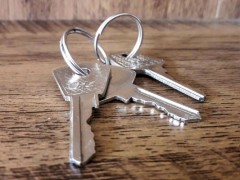
A key is a specially shaped piece of metal that you place in a lock and turn in order to open or lock a door, or to start or stop the engine of a vehicle. 钥匙

noun [可数名词] 钥匙;(电脑、打字机或乐器的)键;关键,要诀;答案;音调,声调;图例,符号说明;低岛,礁;扳手;销子,楔;(文章、形势等)主调,基调;(梣树、枫树或无花果树的)翼果;板条间首层灰泥;(有助于石膏等黏附的)粗糙表面;罚球区

He turned the key in the lock. 他转动了锁芯。

verb [vi. 不及物动词] 键入;成为(获胜)的关键;<非正式>用钥匙划坏(汽车);用别针(或楔子、栓)固定;将…的表面处理好;给(广告)加识别编码

He turned the key in the lock. 他转动了锁芯。

adjective [原级] 关键的,主要的

The key doesn't fit the lock. 这把钥匙打不开这把锁。
与 “key” 相关联的词汇

关联 keyboard /ˈkiːbɔːd/ n. 键盘
关联 lock /lɒk/ vt. 锁,锁上;隐藏
关联 quay /kiː/ n.码头
重 点

baby

/ˈbeɪbi/
A baby is a very young child, especially one that cannot yet walk or talk. 婴儿

noun [专属名词] 婴儿,婴孩;动物幼崽;(家庭或团体中)最小的成员;幼稚的人,软弱的人;差事,责任;宝贝,亲爱的;喜欢的东西,宝贝东西

She used to take care of me when I was a baby. 她曾在我还是婴儿的时候照看过我。

verb [vt. 及物动词] 把…当婴儿般对待,对…娇生惯养;小心翼翼地操作,小心对待

You have to wake up now, baby. 你现在得醒了,宝贝儿。

adjective [原级] 蔬菜)幼嫩的;(幼)小的,小型的

Cook the baby potatoes in their skins. 把这些小土豆连皮煮。

与 “baby” 相关联的词汇

关联 darling /ˈdɑːlɪŋ/ n. 心爱的人;亲爱的
关联 babe /beɪb/ n. 婴儿,小孩;天真幼稚的人;女孩
关联 baby-sitter /'bebɪˌsɪtə/ n.代人临时照看婴孩者
关联 babyish /ˈbeɪbiɪʃ/ adj.幼稚的,愚蠢的,稚气的
关联 babyhood /ˈbeɪbihʊd/ n.婴儿时期,婴儿,幼稚
重 点

hear

🇬🇧/hɪə(r)/ 🇺🇸/hɪr/
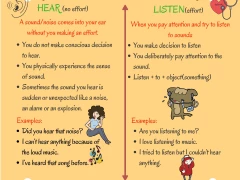
When you hear a sound, you become aware of it through your ears. 听见

verb [vt. 及物动词] 听到,听见;聆听,倾听;听说,得知;审理,听审;脑际响起;听明白

She heard no further sounds. 她再也没有听见任何响声。
与 “hear” 相关联的词汇

关联 here /hɪə(r)/ adv. 在这里;此时
关联 listen /ˈlɪs(ə)n/ vi. 听,倾听;听从,听信
关联 heard /hɜːd/ vbl.hear的过去式和过去分词
关联 heart /hɑːt/ n. 心脏;要点;感情;勇气;心形
关联 hair /heə(r)/ n. 头发;毛发;些微
关联 hearing /ˈhɪərɪŋ/ n. 听力;审讯,听讯
关联 hearable /'hɪəeɪbl/ adj. 听得见的;中听的
关联 hearer /ˈhɪərə(r)/ n.听者,听众
关联 hear out /hɪə(r) aʊt/ 听完
重 点

enjoy

/ɪnˈdʒɔɪ/
If you enjoy something, you find pleasure and satisfaction in doing it or experiencing it. 享受…的乐趣

verb [vi. 不及物动词] 享受,欣赏,喜爱;过得愉快,玩得开心(enjoy oneself);享有,拥有;<美,非正式>请尽情享用; <美,非正式>请尽情享用

Ross had always enjoyed the company of women. 罗斯一直都很享受女人的陪伴。

与 “enjoy” 相关联的词汇

关联 joy /dʒɔɪ/ n. 欢乐,快乐;乐趣;高兴
关联 enjoyment /ɪnˈdʒɔɪmənt/ n. 乐趣;享受;享有
关联 enjoyable /ɪnˈdʒɔɪəb(ə)l/ adj. 令人愉快的;快乐的
关联 boasted /ˈbəʊstɪd/ v.有(引以为荣的事物)( boast的过去式和过去分词 ),扬言
重 点

yourself

🇬🇧/jɔːˈself/ 🇺🇸/jɔːrˈself/
A speaker or writer uses yourself to refer to the person that they are talking or writing to. 你自己; 你们自己

pronoun [反身代词] 你自己

Do it yourself—I don't have time. 自己动手吧——我没时间了。

与 “yourself” 相关联的词汇

来源于 your /jɔː(r)/ pron. 你的,你们的
关联 myself /maɪˈself/ pron. 我自己;我亲自;我的正常的健康状况和正常情绪
关联 himself /hɪmˈself/ pron. 他自己;他亲自,他本人
关联 itself /ɪtˈself/ pron. 它本身;它自己
来源于 self /self/ n. 自己,自我;本质;私心
关联 yourselves /jɔːˈselvz/ pron.pl.你们自己

ourselves

🇬🇧/ɑːˈselvz/ 🇺🇸/ɑːrˈselvz/
You use ourselves to refer to yourself and one or more other people as a group. 我们自己

pronoun [反身代词] 我们自己;我们亲自

We had the pool all to ourselves. 这个游泳池完全供我们自己使用。
与 “ourselves” 相关联的词汇

单数 myself /maɪˈself/ pron. 我自己;我亲自;我的正常的健康状况和正常情绪
源自 our /ˈaʊə(r)/ pron. 我们的
关联 itself /ɪtˈself/ pron. 它本身;它自己
来源于 self /self/ n. 自己,自我;本质;私心
重 点

myself

/maɪˈself/
A speaker or writer uses myself to refer to himself or herself. Myself is used as the object of a verb or preposition when the subject refers to the same person. 我自己

pronoun [反身代词] 我自己;我亲自;我的正常的健康状况和正常情绪

You use myself to emphasize a first person singular subject. In more formal English, myself is sometimes used instead of "me" as the object of a verb. 我自己 (用于强调第一人称单数主语)
与 “myself” 相关联的词汇

源自 my /maɪ/ pron. 我的
关联 yourself /jɔːˈself/ pron. 你自己
关联 ourselves /ɑːˈselvz/ pron. 我们自己;我们亲自
关联 themselves /ðəmˈselvz/ pron. 他们自己;他们亲自
关联 himself /hɪmˈself/ pron. 他自己;他亲自,他本人
关联 herself /hɜːˈself/ pron. 她自己( she 的反身代词);她亲自
关联 itself /ɪtˈself/ pron. 它本身;它自己
来源于 self /self/ n. 自己,自我;本质;私心
重 点

themselves

/ðəmˈselvz/
You use themselves to refer to people, animals, or things when the object of a verb or preposition refers to the same people or things as the subject of the verb. 他们自己; 她们自己; 它们自己

pronoun [反身代词] 他们自己;他们亲自

They did the cooking by themselves. 他们自己做了饭。
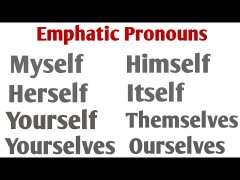
与 “themselves” 相关联的词汇

关联 myself /maɪˈself/ pron. 我自己;我亲自;我的正常的健康状况和正常情绪
单数 himself /hɪmˈself/ pron. 他自己;他亲自,他本人
单数 herself /hɜːˈself/ pron. 她自己( she 的反身代词);她亲自
单数 itself /ɪtˈself/ pron. 它本身;它自己
源自 self /self/ n. 自己,自我;本质;私心
重 点

himself

/hɪmˈself/
You use himself to refer to a man, boy, or male animal. 他自己; 它自己 (指雄性动物)

pronoun [反身代词] 他自己;他亲自,他本人

He poured himself a whisky and sat down in the chair. 他给自己倒了一杯威士忌,然后坐在椅子里。

与 “himself” 相关联的词汇

关联 yourself /jɔːˈself/ pron. 你自己
关联 myself /maɪˈself/ pron. 我自己;我亲自;我的正常的健康状况和正常情绪
关联 themselves /ðəmˈselvz/ pron. 他们自己;他们亲自
关联 herself /hɜːˈself/ pron. 她自己( she 的反身代词);她亲自
来源于 him /hɪm/ pron. 他(宾格)
关联 itself /ɪtˈself/ pron. 它本身;它自己
源自 self /self/ n. 自己,自我;本质;私心
重 点

herself

🇬🇧/hɜːˈself/ 🇺🇸/hɜːrˈself/
You use herself to refer to a woman, girl, or female animal. 她自己 (指女性或雌性动物)

pronoun [反身代词] 她自己(she 的反身代词);她亲自

In written English, herself is sometimes used to refer to a person without saying whether that person is a man or a woman. (书面英语中泛指人) 她自己; 他自己

与 “herself” 相关联的词汇

源自 her /hɜː(r)/ pron. 她的;她
关联 myself /maɪˈself/ pron. 我自己;我亲自;我的正常的健康状况和正常情绪
关联 themselves /ðəmˈselvz/ pron. 他们自己;他们亲自
关联 himself /hɪmˈself/ pron. 他自己;他亲自,他本人
关联 itself /ɪtˈself/ pron. 它本身;它自己
来源于 self /self/ n. 自己,自我;本质;私心