oppress [əˈpres] v. 忧郁,压抑
【派】oppression 压迫,苦恼
【扩】smolder 郁积
【例】A good ruler will not oppress the poor.
好的统治者不会压迫贫民。
justification [ˌdʒʌstifiˈkeiʃən] n. 正当理由
【扩】warrant 正当理由
【例】You can't even give me a justification.
你甚至都不能给我一个正当的理由。
justifiably [ˈdʒʌstifaiəbli] adv. 无可非议地
【例】"Hub? Break a sale?", you might justifiably ask.
“呃,销售失败?”,你有理由这么问。
abject [ˈæbdʒekt] adj. 可怜的
【派】abjective 堕落的
【扩】lamentable 可悲的 pathetic 可怜的
* * *
A: James lives in abject misery these years.
B: He deserves it.
A:詹姆斯这几年过着极悲惨的生活。
B:他这是罪有应得。
* * *
ignoble [iɡˈnəubəl] adj. 不体面的,可耻的
【派】ignobly 卑贱地,下流地
【扩】unseemly 不体面的 inglorious 不体面的
* * *
A: To betray a friend is ignoble.
B: But I had no choice at that time.
A:出卖朋友是可耻的。
B:但是当时我别无选择啊。
* * *
impersonal [imˈpəːsənəl] adj. 超脱个人感情影响的,客观的
【例】Don't be so cold and impersonal.
不要那么冷漠,那么不讲人情。
ego [ˈiːɡəu] n. 自我
【扩】egotism 自大,自负 self-importance 自负,自大
recede [riˈsiːd] v. 退去
* * *
A: I could not recede even though I didn't get everything prepared.
B: You will succeed, because you are a warrior.
A:虽然我并没有做好一切准备,但是我不能打退堂鼓。
B:你会成功的,因为你是一个勇士。
* * *
increasingly [inˈkriːsiŋli] adv. 日益,不断
* * *
A: He's become increasingly withdrawn since his wife's death.
B: The past is gone. And he should cast away moan.
A:他从妻子死后越来越孤僻了。
B:逝者已逝,希望他能节哀。
* * *
passionate [ˈpæʃənit] adj. 充满激情的,激昂的
【派】passionately 热情地
【扩】fevered 激动的
* * *
A: He is passionate with playing golf.
B: He can play very well!
A:他对打高尔夫很热衷。
B:他打得也的确不错。
* * *
painlessly [ˈpeinlisli] adv. 毫无痛苦地,不费力地
【例】Each baby needs enough anesthesia toget through the surgery painlessly.
麻药量足才能确保每个婴儿手术中没有痛苦。
vitality [vaiˈtæliti] n. 精力
【扩】energy 精力 vigor 精力
* * *
A: My job needs a lot of time and vitality.
B: Then you should take more care of yourself.
A:我的工作需要投入大量的时间和精力。
B:那你就更应该好好照顾自己了。
* * *
weary [ˈwiəri] adj. 疲惫的
【派】weariness 厌倦,厌烦
【扩】tired 疲惫的
* * *
A: I'm so weary after the long trip.
B: You can have a good rest tonight and then we will begin our sightseeing.
A:这么长时间的旅程让我很是疲惫。
B:你今天晚上可以好好休息一下,明天我们就要开始观光了。
oppress
/əˈpres/verb [vt. 及物动词] 压迫,欺压;使压抑,使烦恼;(纹章)使(图记)部分模糊
These people often are oppressed by the governments of the countries they find themselves in. 这些人经常受到他们所在国家政府的压迫。

与 “oppress” 相关联的词汇
justification
/ˌdʒʌstɪfɪˈkeɪʃ(ə)n/noun [抽象名词] 正当理由,合理解释;证明为正当,辩护;齐行,整版;(上帝眼中的)称义
To me the only justification for a zoo is educational. 对我来说,动物园存在的惟一正当理由就是它的教育意义。
与 “justification” 相关联的词汇
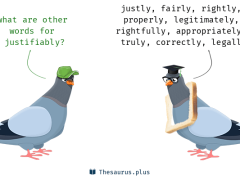
justifiably
🇬🇧/ˌdʒʌstɪˈfaɪəbli; ˈdʒʌstɪfaɪəbli/ 🇺🇸/ˌdʒʌstɪˈfaɪəb(ə)li/adverb [方式副词] 言之有理地,无可非议地
The university can be justifiably proud of its record. 这所大学有理由为自己的纪录而自豪。
与 “justifiably” 相关联的词汇
cheat
/tʃiːt/verb [vt. 及物动词] 欺骗,行骗;侥幸逃脱,逃避;作弊;对配偶(或伴侣)不忠
Students may be tempted to cheat in order to get into top schools. 学生们可能禁不住会作弊,以便能进一流学校。
noun [抽象名词] 骗子,作弊者;欺骗手段,欺诈行为;秘技,作弊软件
In an election in 1988, he was accused of cheating by his opponent. 在1988年的一次竞选中,他被对手指控舞弊。

与 “cheat” 相关联的词汇
adjective [原级] 极其苦恼的(处于赤贫,极度恐怖等境地);卑躬屈膝的;下贱的;可怜的;不幸的
Both of them died in abject poverty. 他们两个人都死于穷困潦倒。

与 “abject” 相关联的词汇
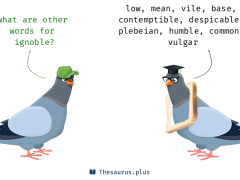
ignoble
🇬🇧/ɪɡˈnəʊb(ə)l/ 🇺🇸/ɪɡˈnoʊb(ə)l/adjective [原级] 不光彩的;卑鄙的;卑贱的
The "crisis response" has a long and ignoble tradition. “ 危机反应”有着悠久而不光彩的传统。
与 “ignoble” 相关联的词汇
impersonal
🇬🇧/ɪmˈpɜːsənl/ 🇺🇸/ɪmˈpɜːrsən(ə)l/adjective [原级] 非个人的,不受个人感情影响的;缺乏人情味的,冷淡的;不够人性化的;不以人的形式存在的,不具人格的;(语法中)非人称的,无人称的
Before then many children were cared for in large impersonal orphanages. 在那以前,许多孩子在无人情味的大孤儿院里被照料。
noun [抽象名词] 非人称动词或代词
Their mating ritual is just so impersonal. 它们的求偶仪式是如此的没有人情味。
与 “impersonal” 相关联的词汇
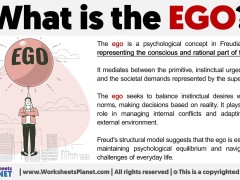
ego
🇬🇧/ˈiːɡəʊ/ 🇺🇸/ˈiːɡoʊ/noun [抽象名词] 自负,自尊,自我意识;(心理学)自我
He had a massive ego, never would he admit he was wrong. 他有极强的自我价值感,从来不会承认他错了。
noun [专属名词] 【名】 (Ego)(法)埃戈,(日)依怙(人名)
Superman's alter ego was Clark Kent. 超人的第二自我是克拉克•肯特。
与 “ego” 相关联的词汇
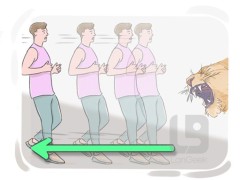
verb [vt. 及物动词] 逐渐远离,渐渐退去;(质量)下降,(问题或疾病等)逐渐减弱;(前额的头发)脱落;(面部特征)向后倾斜;(常指牙龈因为感染)萎缩
Luke's footsteps receded into the night. 卢克的脚步声渐渐消失在夜色中。
与 “recede” 相关联的词汇
increasingly
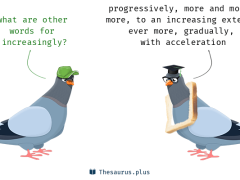
/ɪnˈkriːsɪŋli/adverb [方式副词] 越来越多地,不断增加地
He was finding it increasingly difficult to make decisions. 他发现决策越来越困难了。
与 “increasingly” 相关联的词汇
passionately
/ˈpæʃənətli/adverb [方式副词] 热情地;强烈地;激昂地
He passionately championed the poor. 他曾热情地捍卫穷人。

与 “passionately” 相关联的词汇
painlessly
/ˈpeɪnləsli/adverb [方式副词] 无痛苦地,不费力地
The laser beam heals the eye painlessly. 激光治疗眼睛没有痛苦。

与 “painlessly” 相关联的词汇
vitality
/vaɪˈtæləti/noun [抽象名词] 活力,热情;生机,生命力
Without continued learning, graduates will lose their intellectual vitality. 如果不继续学习,毕业生们就会失去他们的思维活力。

与 “vitality” 相关联的词汇
noun [抽象名词] 疲倦,疲劳;厌倦
I noticed, behind the neutrality of his gaze, a deep weariness. 我觉察到,在他那不动声色的凝视背后有一种深深的厌倦。