Lesson 46 Expensive and uncomfortable 【单词列表】

unload [ʌnˈləud] v. 卸(货)

【例】The steel sheets and bars come in, as you see, in different sizes and are unloaded onto the delivery bay here.

   就像您看到的,不同型号的钢板和钢丝运来了,都卸在运输车间。

【反】load 装货

wooden [ˈwudn] adj. 木制的

extremely [ikˈstriːmli] adv. 非常,极其

【扩】exceedingly 极端地,极其

* * *

A: The extremely unfavorable business has made me very depressed.

B: No one can be always successful.

A:事情极不顺利,真让我沮丧。

B:人不可能总是成功。

* * *

occur [əˈkəː] v. 发生

【派】occurrence 事件

【例】New Year's Day typically occurs sometime in early spring February.

   新年通常在早春2月到来。

【扩】take place 发生,举行

astonish [əˈstɔniʃ] v. 使惊讶

【扩】emmarvel 使惊讶

【搭】be astonished at 对……感到惊讶,吃惊

* * *

A: What he did before astonished me.

B: He has changed a lot.

A:他之前的所作所为使我感到很惊讶。

B:他已经改了很多了。

* * *

pile [pail] n. 堆

woolen [ˈwulən] adj. 羊毛的

* * *

A: What can I do for you?

B: I want a woolen coat.

A:您想买什么?

B:我想要件羊毛大衣。

* * *

goods [ɡudz] n. (常用复数)货物,商品

* * *

A: How long can my goods reach here?

B: I can't reply now.

A:我的货要多久能够到这儿?

B:我不能马上给你答复。

* * *

discover [disˈkʌvə] v. 发现

【派】discovery 发现

【例】The fact is that he did not discover it.

   事实是他没有发现它。

【扩】find 发现

admit [ədˈmit] v. 承认

【派】admitted 被承认了的

【扩】recognize 承认

* * *

A: I think you can't be more conservative.

B: I admit I always do business on the safe side.

A:我想,你太保守了吧。

B:我承认我做事总是多从安全方面考虑。

* * *

confine [kənˈfain] v. 关在(一个狭小的空间里)

【搭】confine sb. to 限制某人于……

* * *

A: Don't you think it's cruel to confine a bird in a cage?

B: Then what do you suggest me to do?

A:难道你不认为把鸟关在笼子里很残忍吗?

B:那你建议我怎么做呢?

* * *

normal [ˈnɔːməl] adj. 正常的,通常的

【派】normally 正常地,通常

【例】Under normal production and management, foreign investors will gain a profit higher than the average interest rate of international banking.

   在正常生产和经营的情况下,外商投资者可获得高于国际银行平均利率的利润。

unload

🇬🇧/ˌʌnˈləʊd/ 🇺🇸/ˌʌnˈloʊd/
If you unload goods from a vehicle, or you unload a vehicle, you remove the goods from the vehicle, usually after they have been transported from one place to another. 从…卸下

verb [vi. 不及物动词] (从车、船上)卸,取下;退出,取出(子弹或胶卷等);<非正式>推卸(责任),甩掉(包袱);把(非法或不是很好的东西)脱手,抛售;倾诉,发泄;让(某人)下车,让(某人)下船;<非正式>射出(子弹);<美,非正式>猛击,猛打

The truck driver was waiting to unload. 卡车司机在等着卸货。

与 “unload” 相关联的词汇

关联 upload /ˌʌpˈləʊd/ vt. 上传
关联 load /ləʊd/ n. 负载,负荷;装载量;工作量

wooden

🇬🇧/ˈwʊdn/ 🇺🇸/ˈwʊd(ə)n/
Wooden objects are made of wood. 木制的

adjective [原级] 木制的;(行为)僵硬的,呆板的;木头似的,木头特性的

The pier is a wooden structure. 这个码头是木结构建筑。

与 “wooden” 相关联的词汇

源自 wood /wʊd/ n. 木材;树林;木制品
关联 woollen /ˈwʊlən/ n.毛织品adj.羊毛制的
关联 woodenly /ˈwʊdnli/ adv.笨拙地,呆板地
关联 woodenware /ˈwʊd(ə)nweə/ n.木制用具
重 点

extremely

/ɪkˈstriːmli/
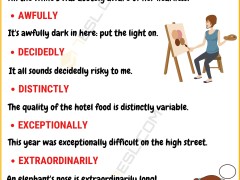
You use extremely in front of adjectives and adverbs to emphasize that the specified quality is present to a very great degree. 极端地; 极度地

adverb [程度副词] 极度,非常

Extremely difficult/challenging/rewarding tasks require patience and dedication. 极具难度 / 挑战性 / 回报的任务需要耐心和奉献精神。
与 “extremely” 相关联的词汇

关联 particularly /pəˈtɪkjələli/ adv. 特别地,独特地;详细地,具体地;明确地,细致地
源自 extreme /ɪkˈstriːm/ adj. 极端的;极度的;偏激的;尽头的
关联 incredibly /ɪnˈkredəbli/ adv. 难以置信地;非常地
关联 extraordinarily /ɪkˈstrɔːdnrəli/ adv. 非常;格外地;非凡地
关联 exceptionally /ɪkˈsepʃənəli/ adv. 特殊地;异常地;例外地
关联 tremendously /trəˈmendəsli/ adv.可怕地,非常地
关联 extremity /ɪkˈstreməti/ n. 极端;绝境;非常手段;手足
重 点

occur

🇬🇧/əˈkɜː(r)/ 🇺🇸/əˈkɜːr/
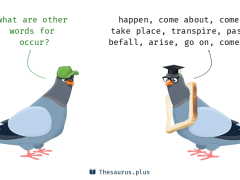
When something occurs, it happens. 发生

verb [vi. 不及物动词] (尤指意外地)发生;存在,出现;(想法)产生

If headaches only occur at night, lack of fresh air and oxygen is often the cause. 如果头痛只发生在晚上,缺少新鲜空气和氧气常常是其原因。
与 “occur” 相关联的词汇

关联 happen /ˈhæpən/ vi. 发生;碰巧;偶然遇到
关联 occurrence /əˈkʌrəns/ n. 事件;发生;出现;发现
关联 recur /rɪˈkɜː(r)/ vi. 重现;复发;再来;采用;循环;递归
关联 occurred /əˈkɜːd/ v. 发生(occur 的过去式和过去分词)
关联 occurring /əˈkɜ:rɪŋ/ v. 发生;存在于(occur 的现在分词)
关联 occurrent /əˈkʌrənt/ adj.正在发生的,偶然发生的
关联 reoccur /ˌriːəˈkɜː(r)/ vi. 重新发生,重新出现

astonish

🇬🇧/əˈstɒnɪʃ/ 🇺🇸/əˈstɑːnɪʃ/
If something or someone astonishes you, they surprise you very much. 使十分惊讶

verb [vi. 不及物动词] 使吃惊,使惊讶

My news will astonish you. 我的消息会令你十分惊讶。

与 “astonish” 相关联的词汇

关联 surprise /səˈpraɪz/ n. 惊奇,诧异;突然袭击
关联 shock /ʃɒk/ n. 打击;震动;震惊;休克;禾束堆
关联 astonished /əˈstɒnɪʃt/ adj. 吃惊的
关联 astound /əˈstaʊnd/ vt. 使惊骇;使震惊
关联 astonishing /əˈstɒnɪʃɪŋ/ adj. 惊人的;令人惊讶的
关联 amaze /əˈmeɪz/ vt. 使吃惊
关联 astonishment /əˈstɒnɪʃmənt/ n. 惊讶;令人惊讶的事物

pile

/paɪl/
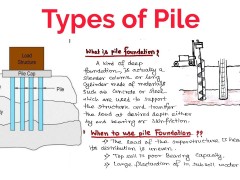
A pile of things is a mass of them that is high in the middle and has sloping sides. 堆

noun [专属名词] 一堆,一叠;一大堆,大量;大笔钱财;(地毯的)绒面;地桩;宏伟建筑物;痔疮;(纹章)(尖头朝下的)楔形普通图记;电池组

A pile of things is a quantity of things that have been put neatly somewhere so that each thing is on top of the one below.

verb [vi. 不及物动词] 堆放;堆满;聚集;将(女子头发)高高盘起;蜂拥,拥挤;(车)撞(~ into);<非正式>夸大(~ something on);用桩加固(或支撑)

If you pile things somewhere, you put them there so that they form a pile. 堆放
与 “pile” 相关联的词汇

关联 pipe /paɪp/ n. 烟斗;管;笛
关联 pale /peɪl/ adj. 苍白的;暗淡的;无力的
关联 pill /pɪl/ n. 药丸;口服避孕药;弹丸,子弹
关联 piled /paɪld/ adj.有细毛的
关联 piling /ˈpaɪlɪŋ/ n.打桩,打桩工程
关联 pileup /ˈpaɪlˌʌp/ n.连环相撞,堆积
关联 piles /paɪlz/ n.pl.[医]痔,痔疮

woollen

/ˈwʊlən/
Woollen clothes or materials are made from wool or from a mixture of wool and artificial fibers. 羊毛的; 毛纺的

adjective [原级] 羊毛制成的;毛纺织业的

She was demurely dressed in a black woollen suit. 她当时端庄得体地身着一套黑色羊毛西服。

noun [物质名词] 毛织物,毛料织物

He bursts into a breakfast diner with his hair under a woollen beanie. 他突然闯进早餐店,头发掖在羊毛小便帽下。

与 “woollen” 相关联的词汇

关联 wooden /ˈwʊdn/ adj. 木制的;僵硬的,呆板的
源自 wool /wʊl/ n. 羊毛;毛线;绒线;毛织品;毛料衣物
关联 woolen /ˈwʊlən/ adj. 羊毛的;羊毛制的

goods

/ɡʊdz/
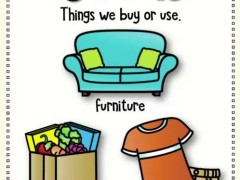
Goods are things that are made to be sold. 商品(industrial / agricultural goods)

noun [集合/集体] 商品;动产,私人财产;<英>(公路、铁路等运输的)货物;<美,非正式>本领;<美,非正式>正要寻找的人(或物)

Prices are marked on the goods. 价格标在商品上。
与 “goods” 相关联的词汇

关联 good /ɡʊd/ adj. 愉快的;好的;虔诚的;优良的
关联 commodity /kəˈmɒdəti/ n. 日用品;商品,货物(agricultural commodities 农产品)
关联 cargo /ˈkɑːɡəʊ/ n. 货物,船货
关联 goose /ɡuːs/ n. 鹅;雌鹅;鹅肉;傻瓜
关联 merchandise /ˈmɜːtʃəndaɪs/ n. 商品;货物(不可数)
关联 wares /weəz/ n. 商品;货物(仅复数)
重 点

discover

🇬🇧/dɪˈskʌvə(r)/ 🇺🇸/dɪˈskʌvər/
If you discover something that you did not know about before, you become aware of it or learn of it. 发觉

verb [vt. 及物动词] 发现,找到;了解到,发觉,查明;发掘(人才);初次接触

She discovered that they'd escaped. 她发觉他们已经逃走了。

与 “discover” 相关联的词汇

关联 find /faɪnd/ vt. 发现;认为;感到;获得
源自 cover /ˈkʌvə(r)/ vt. 包括;涉及;采访,报导
关联 explore /ɪkˈsplɔː(r)/ vt. 探测;探索;探险
关联 discovery /dɪˈskʌvəri/ n. 发现,发觉;被发现的事物
关联 invent /ɪnˈvent/ vt. 发明;创造;虚构
关联 rediscover /ˌriːdɪˈskʌvə(r)/ vt. 重新发现;再发现
关联 recover /rɪˈkʌvə(r)/ vt. 恢复;重新获得;弥补
关联 dislike /dɪsˈlaɪk/ vt. 不喜欢,厌恶
关联 discoverer /dɪˈskʌvərə(r)/ n.发现者
关联 discoverable /dɪˈskʌvərəbl/ adj.发现的,显露的
重 点

admit

🇬🇧/ədˈmɪt/ 🇺🇸/ædˈmɪt/
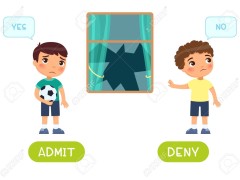
If you admit that something bad, unpleasant, or embarrassing is true, you agree, often unwillingly, that it is true. 承认 (不好、不快或尴尬的事实)

verb [vi. 不及物动词] (勉强)承认;招认,招供;准许进入(某处);接纳,接收(入学);收治,接收入院;承认…有效;容许,为…留有余地

If someone is admitted to a hospital, they are taken into the hospital for treatment and kept there until they are well enough to go home. 接收 (入院)
与 “admit” 相关联的词汇

关联 admin /ˈædmɪn/ abbr. 管理,行政
关联 admire /ədˈmaɪə(r)/ vt. 钦佩;赞美
关联 deny /dɪˈnaɪ/ vt. 否定,否认;拒绝给予;拒绝 … 的要求
关联 acknowledge /əkˈnɒlɪdʒ/ vt. 承认;答谢;报偿;告知已收到
关联 admission /ədˈmɪʃ(ə)n/ n. 承认;入场费;进入许可;坦白;录用
关联 admitting /əd'mɪtɪŋ/ v. 承认( admit 的 ing 形式)
关联 admitted /ədˈmɪtɪd/ adj.被承认的,被确认无疑的
关联 admissible /ədˈmɪsəb(ə)l/ adj.可容许的,可接纳的
关联 admissive /ədˈmɪsɪv/ adj.容许的
关联 admittable /ədˈmɪtəb(ə)l/ adj.具有进入的资格的
关联 admittance /ədˈmɪt(ə)ns/ n.入场权,准入
重 点

confine

/kənˈfaɪn/
To confine something to a particular place or group means to prevent it from spreading beyond that place or group. 将 (某事物) 控制 (在某地范围内)

verb [vi. 不及物动词] 限制,局限;防止…扩散;关押,监禁;使离不开(或受困于床、轮椅等)

Health officials have successfully confined the epidemic to the Tabatinga area. 卫生官员们已经成功地将该传染病控制在塔巴廷加地区。

noun [抽象名词] 边界,范围;限制,局限

He did not confine himself to the one language. 他没把自己局限于这一门语言。
与 “confine” 相关联的词汇

关联 caffeine /ˈkæfiːn/ n. 咖啡因;茶精(兴奋剂)
关联 config /kənˈfɪɡ/ n. 配置,布局;显示配置信息命令
关联 prison /ˈprɪz(ə)n/ n. 监狱;拘留所;监禁
关联 restrict /rɪˈstrɪkt/ vt. 限制;限定;约束
关联 confinement /kənˈfaɪnmənt/ n. 限制;监禁;分娩
关联 confined /kənˈfaɪnd/ adj.(空间或面积)有限的,狭窄的;受限制的,被限定的
关联 confining /kənˈfaɪnɪŋ/ v. 把……局限于;限制;监禁;(使)离不开(confine 的现在分词)
关联 confines /ˈkɒnfaɪnz/ n.疆界,范围,界线
重 点

normal

🇬🇧/ˈnɔːm(ə)l/ 🇺🇸/ˈnɔːrm(ə)l/
Something that is normal is usual and ordinary, and is what people expect. 正常的; 平常的

adjective [原级] 正常的,标准的;(身心)健康的,(人)普通的;(线或线性特征)正交的,垂直的;(盐溶液)与血液的盐浓度相同的;正(断层)的;平常的,通常的

The two countries resumed normal diplomatic relations. 这两个国家恢复了正常的外交关系。

noun [专属名词] 常态,通常标准;<非正式>正常人,循规蹈矩者;法线,正交

Under normal circumstances , I would say ‘yes ’. 一般情况下,我会说“行”。
与 “normal” 相关联的词汇

关联 normally /ˈnɔːməli/ adv. 正常地;通常地,一般地
源自 norm /nɔːm/ n. 规范,基准;定额,分配之工作量
关联 abnormal /æbˈnɔːm(ə)l/ adj. 反常的,不规则的;变态的
关联 normalize /ˈnɔːməlaɪz/ vt. 使规格化,使标准化;使正常化
关联 normalcy /ˈnɔːməlsɪ/ n.常态
关联 normality /nɔːˈmæləti/ n. 常态;当量浓度;规定浓度
关联 normalise /ˈnɔːməlaɪz/ v.<主英> =normalize 使正常化;使规格化,使标准化
关联 supernormal /suːpəˈnɔːm(ə)l; sjuː-/ adj.非凡的,异于寻常的