
A galaxy is an extremely large group of stars and planets that extends over many billions of light years. 星系
noun [专属名词] 星系;银河,银河系(the Galaxy);群英,人才荟萃
The Galaxy consists of 100 billion stars. 银河系由1千亿颗恒星组成。
- galaxy 出现在下面的课文中(提供视频、音频及笔记等可系统性学习)
- Lesson 61 Trouble with the Hubble galaxy 名词: 星系
源自希腊文galaxias, 词根gala意为“乳汁; 乳状物”, 古希腊人认为银河是天后赫拉的乳汁流淌而成的。
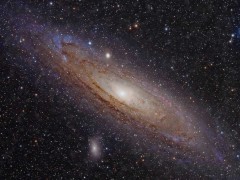
n. 银河;星系;银河系;一群显赫的人
- 网友用 “Galaxy” 造句精选
- Astronomers have discovered a distant galaxy. 天文学家们发现了一个遥远的星系。
- At least one supernova occurs per decade in our galaxy. 每十年至少有一颗超新星在我们的银河系中出现。
galaxy 的重要知识点
galaxy n. 星系
- the Galaxy 银河系
- the Milky Way 银河
- the solar system 太阳系
| universe n. 宇宙,天地万物 | Scientists are exploring the secrets of the universe. 科学家正在探索宇宙的奥秘。 |
|---|---|
| the universe = the cosmos 宇宙 | We know little about the universe / the cosmos. 我们对宇宙知之甚少。 |
| universal adj. 全体的,普遍的 | Love is a universal language. 爱是一种通用的语言。 |
| a universal truth 普遍真理 | Time and tide wait for no man; it is a universal truth. 岁月不待人,这是一条普遍真理。 |
| university n. 大学 | He plans to study physics at university. 他打算在大学里学习物理。 |