
verb [vt. 及物动词] 偏离,脱离;违背
They stopped you as soon as you deviated from the script. 你一偏离剧本,他们就会叫停。
adjective [原级] 离经叛道的
Should the use of rewards fail, members can frequently win by rejecting or threatening to ostracize those who deviate from the primary group's norms. 如果使用奖励失败了,通过拒绝或威胁来排斥那些偏离主要群体规范的人,成员可以经常获胜。
noun [专属名词] 异类,偏离规范的人;偏离
The bus had to deviate from its usual route because of a road closure. 因为道路封闭,公共汽车只得绕道而行。
de(离开) + vi(路) + ate → 离开道路 → 脱离
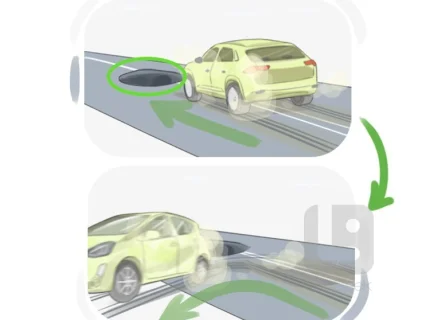
vi. 越轨;脱离
- 网友用 “Deviate” 造句精选
- They're also less likely to deviate in how they treat employees. 他们在对待员工的方式上也不太可能有失偏颇。
deviate 的重要知识点
“de” = away from + “vi(a)” = 道路 + ate(动词字根)
- via prep. 渠道,通过;经由 go from London to Washington via New York.
- viable adj. 可行的;能养活的;能生育的 a viable proposal / economically viable.
- obviate vt. 排除;避免;消除 The new treatment obviates the need for surgery.